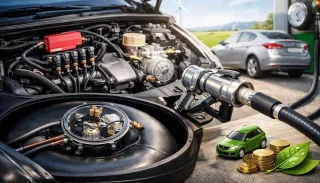
Установка газобаллонного оборудования на бензиновые двигатели — привычная практика, известная уже давно. Однако всё больше водителей задумываются о том, можно ли поставить ГБО на дизельный мотор.
Как это было раньше
Ключевая проблема при переводе дизеля на газ — принцип воспламенения топливной смеси. Дизтопливо самовозгорается от сжатия, и именно на этом основана работа таких двигателей. Газ же, как и бензин, не воспламеняется от давления. Казалось бы, тупик, но решение нашли ещё в советское время.
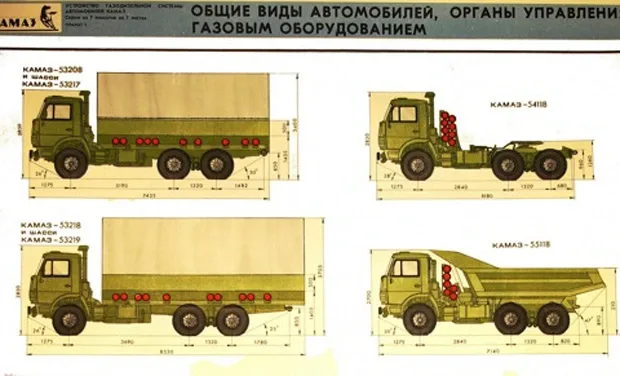
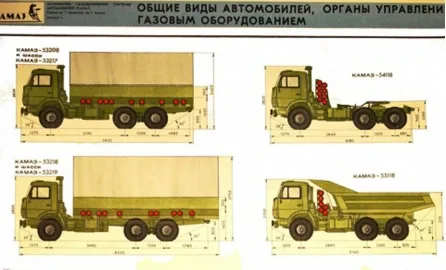
Инструкция по автомобилям КАМАЗ с газобаллонным оборудованием
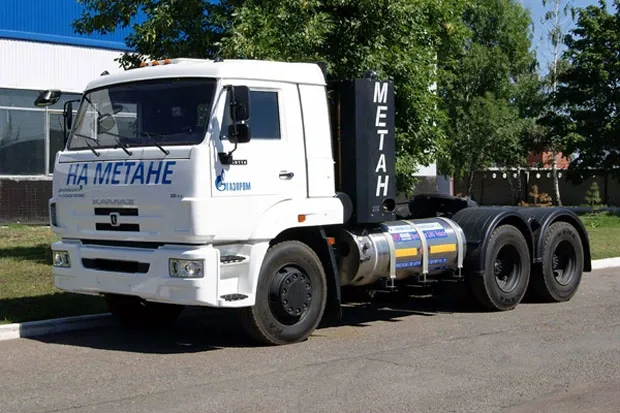
Специалисты придумали схему, при которой мотор работает на газу, а поджигается он небольшой порцией солярки. Такие системы впервые стали ставить на грузовики КАМАЗ, причём прямо на конвейере.
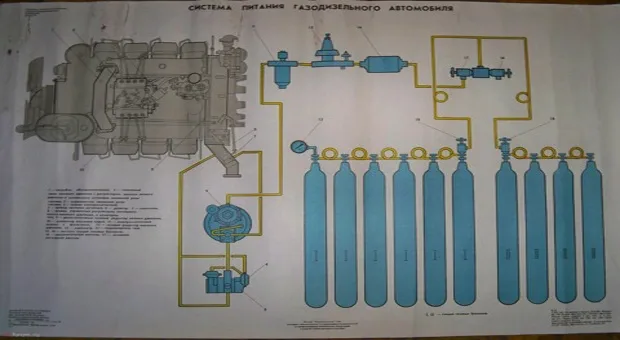
Схема заводского ГБО и его связка с ТНВД на двигателе КАМАЗ
Как это работает:
В цилиндры поступает газ в объёме 70-80% от нормы, а в нужный момент форсунка впрыскивает запальную дозу дизтоплива — оставшиеся 20-30%. Благодаря высокому октановому числу газа (100-110 единиц), двигатель трудится ровно, без детонации. Практика показала: ресурс таких «газодизельных» моторов до капремонта вырастает в 1,5-2 раза. Работают они заметно тише и плавнее.
Экономия на топливе достигала 30-40%, если учитывать и дополнительные обслуживания. Но после распада СССР разработки свернули, посчитав проект нерентабельным. Свою роль сыграло и не самое лучшее качество отечественных комплектующих. И всё же стоит признать: кроме КАМАЗов с заводским ГБО, остальные машины так и остались лишь на бумаге.
Где ищут ГБО для дизельных легковушек
АвтоПортал выяснил: в Украине и России лишь несколько компаний берутся за установку ГБО на дизельные автомобили. Мы связались со всеми, чтобы узнать цены на такое оборудование для легковых машин. В списке авто, подходящих для переоборудования, самым компактным оказался «Валдай» (он же «Газель»). Дальше — только грузовики.
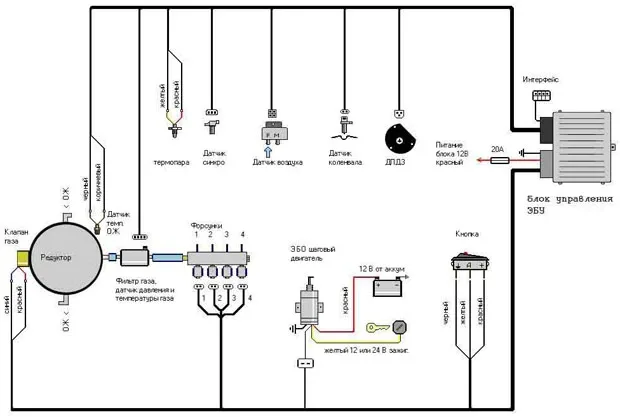
Почти все мастера используют собственные наработки на базе компонентов ГБО второго поколения. Впрочем, в Днепропетровске нашлась фирма, которая создаёт системы на основе четвёртого поколения. Конструкция собрана из проверенных деталей, знакомых по бензиновым версиям: редуктор, форсунки, баллоны, трубопроводы, датчики коленвала, распредвала, педали газа и температуры.
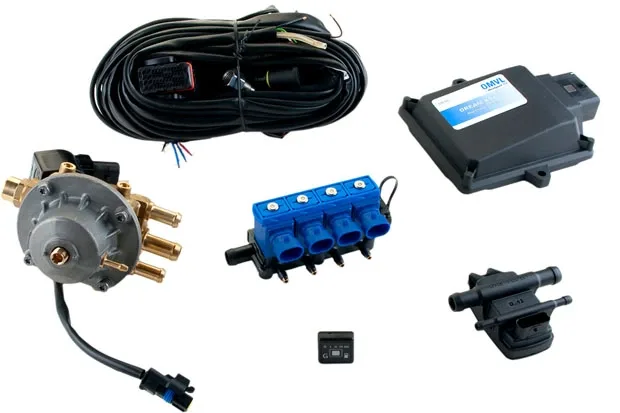
Но кое-что пришлось разрабатывать самостоятельно. Проводка и разъёмы — украинского производства. Блок управления газодизелем и его программное обеспечение — тоже местная разработка. Полный комплект с установкой обойдётся примерно в 25 000 грн.
А стоит ли игра свеч? Посчитаем на примере «Валдая», который в городе тратит около 14 л/100 км. После установки ГБО (пропан-бутан) топливо расходуется в пропорции 2:3 — две части солярки, три части газа.
Цифры такие:
| Газодизель/ пропан-бутан |
Дизель | Газодизель |
|---|---|---|
| Расход ДТ, л/100км | 14 | 5,60 |
| Расход газа, л/100км | 0 | 9,24 |
| Стоимость ДТ, грн | 134,40 | 53,76 |
| Стоимость газа, грн | 0 | 51,74 |
| Экономия, грн./100 км | 28,90 |
При экономии 28,90 грн на каждые 100 км, чтобы окупить установку, придётся проехать 86 505 км. Лишь после этого начнётся реальная выгода. Стоит ли оно того — зависит от того, как и где эксплуатируется машина. Похоже, переводить дизель на газ имеет смысл в основном на большегрузах с мощными моторами. А вот на малолитражках, тем более легковых, такая затея вряд ли оправдана. Не стоит забывать и про запас хода — с ГБО он увеличивается, а значит, и остановки на заправках станут реже.