Long fishing trips in the fresh air give an incredible boost of energy, but heat and direct sunlight create serious challenges for preserving the catch and camp food. Juicy sandwiches quickly lose their freshness, drinking water heats up, and caught fish without proper care can spoil before returning home. To ensure that a day by the water leaves only pleasant memories, it is important to think through a cooling system and properly prepare your camp luggage.
Secrets of keeping provisions fresh on the shore
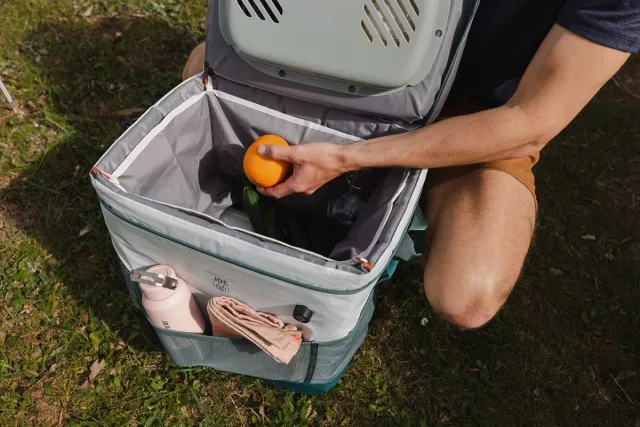
During many hours spent at the water, it is important to maintain an optimal temperature regime for all food and drinks. Ordinary plastic bags or fabric backpacks quickly let heat through, so it is better to use insulated containers for transporting lunches. Modern lightweight cooler bags with high-quality ice packs make it easy to maintain a low temperature inside throughout the day.
Such a simple solution guarantees the safety of meat and dairy products, keeps drinking water cool, and creates comfortable conditions for a full snack between casts.
Preserving caught fish on a hot day
Proper handling of the caught trophy from the first minute after catching determines its taste qualities and safety during cooking. Do not leave fish in the open sun or in shallow stringers where the water heats up significantly and becomes poor in oxygen.
To preserve the catch until the end of the fishing trip, you will need the following useful items:
a long fabric or fine-mesh keep net submerged to depth;
a spacious insulated container with ice packs;
fresh nettle or sedge leaves for layering gutted fish;
breathable canvas bags for carrying the catch in the shade;
a wooden or plastic extractor for safe hook removal.
Using these devices prevents the development of bacteria and spoilage of tissues. Thanks to properly selected accessories, your catch will remain fresh even after a long stay at a summer fishing spot.
Rules for preparing and packing snacks
Organizing meals near the water requires special attention to hygiene and the form of packing dishes. Pack homemade sandwiches in hard plastic boxes so they do not get crushed under the weight of other items in the backpack, and do not use mayonnaise dressings.
Prefer portioned products that are convenient to take with clean napkins without needing to wash hands. Wash and dry fruits and vegetables at home, and store meat cuts in foil next to frozen ice packs until consumption.
4 steps for proper processing of the catch before transportation
If the fishing trip lasts more than a day or the outside temperature is high, it is worth preparing the catch for the trip home directly on the shore:
Cleaning and gutting the fish. Remove the gills and entrails without rinsing the carcass in river water to avoid accelerating fermentation processes.
Removing excess moisture. Thoroughly wipe the fish inside and out with dry paper towels or a clean cloth.
Using natural antiseptics. Tightly fill the abdominal cavity of the fish with sprigs of fresh nettle, which naturally suppresses the development of bacteria.
Placing in a cooled container. Put the prepared carcasses in one layer in a cooler bag, layering each row with ice packs.
This algorithm allows preserving the culinary qualities of the fish and guarantees its complete safety during transportation to your kitchen.