В Україні наразі не існує прямої законодавчої норми, яка б забороняла експлуатацію зимових шин у весняно-літній період. Тобто, формально, за сам факт використання зимової гуми влітку штраф не передбачений. Проте все не так просто.
Якщо глибина протектора шин менша за допустиму норму (а для легкових авто це мінімум 1,6 мм), патрульна поліція має повне право виписати штраф у розмірі 340 гривень відповідно до частини 1 статті 121 Кодексу України про адміністративні правопорушення. У випадках, коли шини створюють реальну загрозу безпеці руху, інспектор може тимчасово заборонити подальше використання автомобіля.

Чому зимова гума влітку — це небезпека?
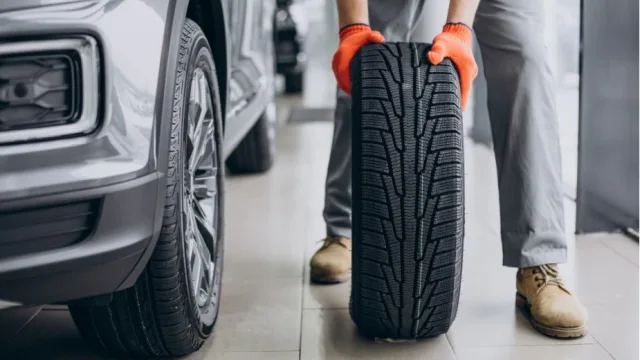
Зимові шини розраховані на експлуатацію при низьких температурах. Вони виготовлені з м’якшої гумової суміші, яка забезпечує хороше зчеплення з холодним і слизьким покриттям. Але влітку ця сама еластичність грає злий жарт. За високих температур гума стає надмірно м’якою, що призводить до:
-
значного збільшення гальмівного шляху (особливо на гарячому асфальті),
-
зниження стійкості авто в поворотах,
-
гіршого зчеплення на мокрій дорозі,
-
підвищеної вірогідності аквапланування,
-
суттєвого збільшення зносу самих шин.
Це не лише знижує безпеку, а й впливає на комфорт та керованість авто.
А може, це економніше?
Часто доводиться чути: «Навіщо купувати літні шини, якщо зимові ще не зношені?» На перший погляд — логічно. Але це хибна економія.
Зимова гума влітку зношується в рази швидше, тому до наступного сезону вона, скоріше за все, вже буде непридатна. А отже, доведеться купувати новий комплект. До того ж, їзда на м’яких шинах у спеку спричиняє підвищену витрату пального, адже опір коченню збільшується. Тож у підсумку витрати зростають, а безпека — падає.
Чи можна їздити на всесезонній гумі?
Так, але з певними застереженнями. Універсальні шини — це компромісне рішення. Вони не забезпечують такого рівня зчеплення взимку, як справжні зимові, і не дають такої стабільності влітку, як літні. Якщо ви мешкаєте в регіоні з м’яким кліматом і їздите здебільшого містом — це може бути варіант. Але для активної їзди та поїздок за місто краще мати окремі комплекти сезонних шин.
Поради водіям
-
Змінюйте шини, коли середньодобова температура впевнено перевищує 7°C.
-
Завжди перевіряйте стан протектора — глибина має бути не менше 1,6 мм.
-
Не відкладайте заміну "на потім", адже різке гальмування на м’якій гумі влітку може закінчитися ДТП.
-
Зберігайте сезонні шини правильно — у сухому, прохолодному місці, без впливу прямих сонячних променів.
Висновки
Їзда на зимовій гумі влітку — це не порушення правил, але точно порушення здорового глузду. Таке рішення може коштувати значно дорожче, ніж здається на перший погляд. У теплу пору року зимові шини — це ризик для гальмування, стабільності, витрати пального і ресурсу гуми.