Как проверить свечи накала не снимая мультиметром?
Anna Tkach
AutoPortal editorial team
2,654 views
2 min read
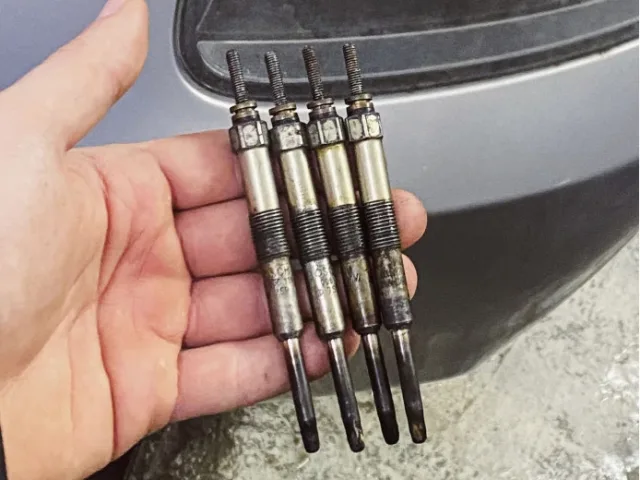
Проблемы с запуском дизельного двигателя в холодное время часто связаны со свечами накала. Эти элементы обеспечивают быстрый подогрев воздуха в камере сгорания и помогают мотору завестись. Если хотя бы одна свеча перестает работать, дизель запускается хуже, появляются вибрации и дымность. Чтобы этого избежать, важно уметь самостоятельно определить неисправность. В этой статье рассмотрим, как проверить свечи накала тестером, лампочкой, аккумулятором и мультиметром, а также узнаем, как выполнить диагностику не снимая с машины.
Зачем проверять свечи накала
На дизеле работа свечей накала играет ключевую роль в холодном запуске. При исправной системе двигатель заводится без проблем даже при сильном морозе. Если же свеча перегорела, топливо не воспламеняется сразу, и мотор начинает работать с перебоями. Проверка позволяет заранее выявить неисправность и заменить свечу до наступления зимы.
Как проверить свечи накала не снимая с машины
Многих водителей интересует, можно ли выполнить проверку без демонтажа. Да, такая возможность есть. Основной способ - использовать тестер или мультиметр. Достаточно подключиться к контактам свечей и измерить сопротивление.
Заглушите двигатель и обесточьте систему.
Подключите минус мультиметра на массу автомобиля.
Плюсовым щупом коснитесь контакта свечи.
Сравните показания с нормой: у исправных свечей сопротивление обычно 0,5-2 Ом.
Если мультиметр показывает «обрыв» или слишком большое значение, свеча неисправна.
Такой способ позволяет быстро определить работоспособность свечей не снимая с машины.
Как проверить свечи накала мультиметром
Проверка мультиметром - самый точный метод. Как это сделать:
Выставьте тестер в режим измерения сопротивления.
Снимите питающий провод со свечи.
Подключите один щуп к корпусу свечи, второй к контакту.
Исправная свеча должна показывать низкое сопротивление (порядка 1 Ом).
Если сопротивление значительно выше или мультиметр показывает бесконечность, элемент подлежит замене.
Как проверить свечи накала тестером
Тестер (мультиметр) - универсальный инструмент. Помимо сопротивления, можно проверить и ток потребления:
Подключите амперметр последовательно с проводом питания свечи.
Включите зажигание.
Исправная свеча должна потреблять от 8 до 15 ампер.
Если ток слишком мал или отсутствует, свеча не работает.
Как проверить свечи накала лампочкой
Более простой способ - использовать контрольную лампу.
Подключите один контакт лампы к аккумулятору.
Второй контакт - к выводу свечи.
Если лампа горит - свеча исправна, если нет - свеча сгорела.
Метод подходит для быстрой проверки, но менее точен, чем мультиметром.
Как проверить свечи накала аккумулятором
Проверка напрямую от аккумулятора также возможна, но требует осторожности.
Снимите свечу с двигателя.
Подключите минус аккумулятора к корпусу свечи.
Плюс подключите к контакту.
Исправная свеча быстро раскаляется и светится красным.
Этот метод помогает точно определить неисправную свечу, но требует снятия элемента.
Как проверить свечи накала на дизеле не снимая
Для дизельных двигателей особенно важно иметь возможность диагностики без разборки. Именно поэтому чаще всего применяют мультиметр. Он позволяет определить состояние свечи в машине, не прибегая к демонтажу.
Advertising
Comments
No comments yet. Say the first word.
Write a comment
No sign-up needed - just your name.
Write