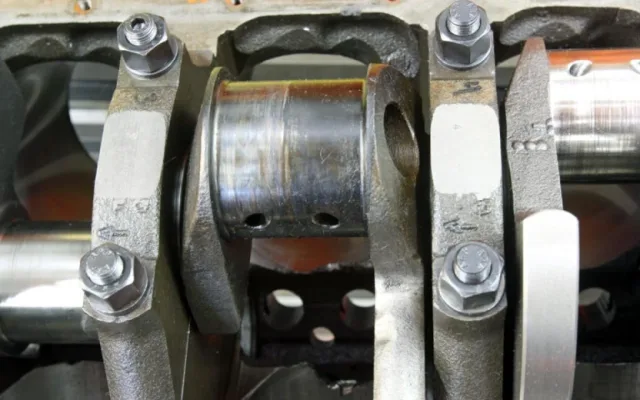
Одна из самых неприятных неисправностей двигателя - это момент, когда внезапно провернуло шатунный вкладыш. Такая поломка приводит к появлению характерного металлического стука, потере давления масла и серьёзным повреждениям коленчатого вала. Для автовладельца важно понять не только что делать, если провернуло шатунный вкладыш, но и почему провернуло шатунный вкладыш, чтобы избежать повторной проблемы.
Почему провернуло шатунный вкладыш
Причин может быть несколько:
Недостаток смазки. Если моторное масло не поступает к парам трения, то металл перегревается, вкладыш пригорает к шейке коленвала и его проворачивает.
Некачественное масло. Использование неподходящей вязкости или дешёвых подделок может привести к потере масляной плёнки.
Редкая замена масла и фильтра. Загрязнения накапливаются и забивают каналы смазки.
Перегрев двигателя. Высокая температура разрушает масляный клин, и вкладыш начинает работать «на сухую».
Износ двигателя. Если мотор долго эксплуатировался без ремонта, зазоры увеличиваются, давление масла падает, и это приводит к аварии.
Таким образом, главный ответ на вопрос, почему провернуло шатунный вкладыш, почти всегда связан с нарушением смазки и перегрузкой двигателя.
Что делать, если провернуло шатунный вкладыш
Первое правило - не пытаться продолжать движение. Если вы услышали громкий металлический стук из глубины двигателя, сопровождающийся падением давления масла, нужно сразу же заглушить мотор. Дальнейшая работа может окончательно разрушить коленвал. Далее порядок действий:
Эвакуировать автомобиль. Самостоятельный проезд «на стуках» может закончиться полным заклиниванием двигателя.
Разобрать мотор. Без вскрытия картера и снятия коленвала невозможно понять масштаб повреждений.
Осмотреть коленчатый вал. Если шейка получила задиры, её нужно шлифовать под ремонтный размер или менять вал.
Заменить шатунные вкладыши. Ставят только новые, оригинальные или качественные аналоги.
Проверить масляный насос и каналы. Если причина была в недостатке смазки, проблему нужно устранить сразу.
Провернуло шатунный вкладыш - что делать в реальности
Ремонт двигателя после такой поломки зависит от степени повреждений. В лёгких случаях достаточно шлифовки коленвала и установки ремонтных вкладышей. Но если износ слишком сильный, придётся менять коленвал, шатун или даже полностью блок двигателя. Мастера рекомендуют:
всегда менять масло и фильтры в срок;
использовать только рекомендованную вязкость;
не перегревать двигатель и следить за уровнем охлаждающей жидкости;
при первых признаках снижения давления масла сразу проверять систему.
Итоги
Теперь вы знаете, что делать, если провернуло шатунный вкладыш, и какие действия предпринять в первую очередь. Поломка эта серьёзная и дорогостоящая, но чаще всего её причина ясна: нехватка масла или его низкое качество. Именно поэтому важно понимать, почему провернуло шатунный вкладыш, и не допускать повторения ситуации. Если же это всё-таки произошло, то ответ один: срочный ремонт с заменой вкладышей, проверкой коленвала и всей системы смазки. Только так можно вернуть мотору работоспособность и продлить срок службы автомобиля.
Advertising
Comments
No comments yet. Say the first word.
Write a comment
No sign-up needed - just your name.
Write