Как почистить впускной коллектор от нагара, на дизеле, не снимая?
Anna Tkach
AutoPortal editorial team
2,639 views
3 min read
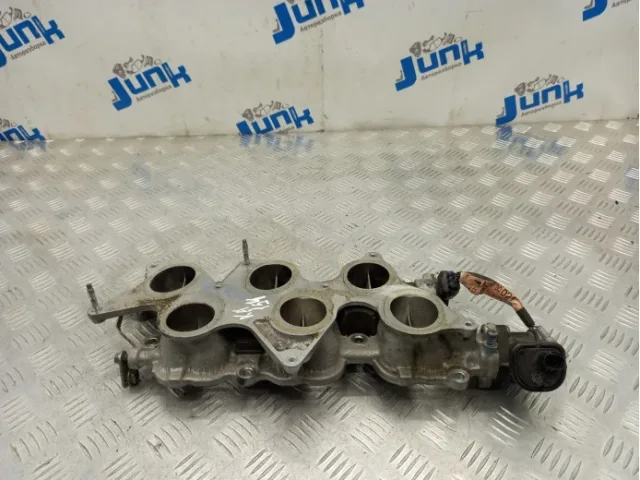
Впускной коллектор играет ключевую роль в работе двигателя. Он распределяет воздушный поток по цилиндрам, обеспечивая правильное смесеобразование. Со временем на его стенках образуется нагар, который особенно активно скапливается в дизельных моторах. Это связано с особенностями сгорания топлива и системой рециркуляции выхлопных газов (EGR). Чтобы мотор сохранял мощность и экономичность, необходимо знать, как почистить впускной коллектор на дизеле. Причём выполнить процедуру можно разными способами: с разборкой и без. Мы рассмотрим вариант, как почистить коллектор даже не снимая его.
Почему образуется нагар
На дизеле образование нагара во впускном тракте - явление привычное. Основные причины:
возврат выхлопных газов через клапан EGR;
использование некачественного топлива;
короткие поездки и постоянная езда на низких оборотах;
естественный износ двигателя.
В результате впускной коллектор покрывается толстым слоем сажи и масляных отложений. Это ухудшает подачу воздуха, двигатель теряет тягу, увеличивается расход топлива и дымность.
Способы очистки впускного коллектора
Прежде чем разбирать, стоит разобраться, как почистить впускной коллектор и какие методы существуют:
Механическая чистка со снятием - разборка, очистка вручную щёткой, растворителями. Даёт максимальный эффект, но требует времени и опыта.
Химическая очистка без снятия - использование специальных средств, которые подаются во впуск. Это простой способ как почистить впускной коллектор не снимая, который подходит для профилактики.
Профессиональная чистка (орехоструй, ультразвук) - применяется в сервисах, полностью удаляет нагар.
Как почистить впускной коллектор не снимая
Многих интересует именно щадящий метод - как почистить впускной коллектор не снимая, потому что он позволяет обслужить двигатель прямо на автомобиле, без лишнего демонтажа. Алгоритм следующий:
Используется специальная химия для очистки впускного тракта (аэрозольные или жидкие составы).
Двигатель прогревается до рабочей температуры.
Средство подаётся во впуск через дроссельный узел или шланг, идущий после фильтра.
Процедура проводится при средних оборотах, чтобы средство активно проходило по каналам.
После окончания чистки мотор оставляют поработать и затем делают тест-драйв.
Такой способ помогает удалить часть нагара, улучшить подачу воздуха и восстановить динамику. Однако сильные отложения на дизеле полностью убрать без снятия коллектора невозможно.
Как почистить впускной коллектор на дизеле
На дизеле процедура очистки имеет свои нюансы. Здесь особенно важно правильно дозировать химическое средство и контролировать работу двигателя. Ответ на вопрос, как чистить впускной коллектор на дизеле, зависит от состояния мотора. Если отложений много, лучше всё-таки снимать деталь и чистить механически. Для профилактики же можно раз в 20-30 тысяч километров использовать специальные жидкости. Это позволяет продлить срок службы коллектора, клапана EGR и турбокомпрессора.
Как чистить впускной коллектор на дизеле: советы
Используйте только проверенные составы, рассчитанные именно для впускной системы.
Перед обработкой убедитесь, что воздушный фильтр чистый.
В автомобиле после процедуры может появиться временный дым из выхлопной трубы - это нормальная реакция на удаление нагара.
Если заметили падение компрессии или посторонние стуки, лучше обращаться на СТО.
Заключение
Теперь вы знаете, как почистить впускной коллектор, какие есть способы и чем отличается процедура на дизеле. При сильных отложениях помогает только снятие и механическая обработка, но для профилактики можно использовать химию и проводить очистку прямо на автомобиле. Такой вариант подходит тем, кто хочет обслужить мотор самостоятельно, без сложной разборки. Таким образом, ответ на вопрос, как почистить впускной коллектор от нагара, на дизеле, не снимая, прост: применяйте специальные очистители, соблюдайте инструкцию и контролируйте состояние двигателя. Это продлит его ресурс и обеспечит стабильную работу в любых условиях.