Ремень генератора: зачем он нужен
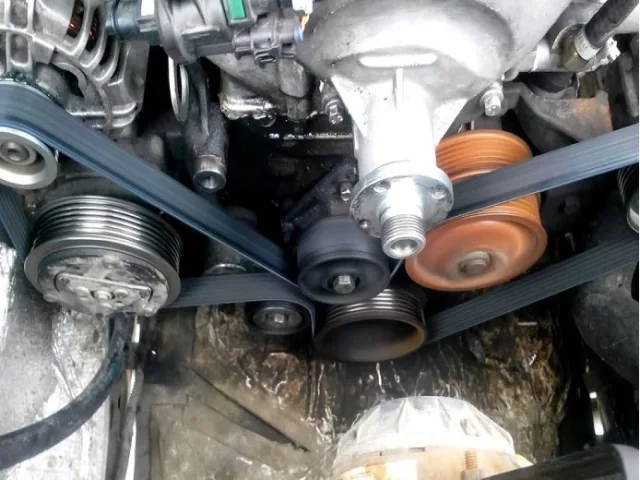
Ремень генератора обеспечивает работу генератора, который вырабатывает электричество для питания всех систем автомобиля и зарядки аккумулятора. В зависимости от конструкции автомобиля ремень также может приводить в движение насос гидроусилителя руля, компрессор кондиционера или водяной насос системы охлаждения.Поэтому порванный ремень генератора - это не просто мелкая поломка, а ситуация, которая может привести к серьёзным последствиям.
Что будет если порвется ремень генератора
- Перестанет работать генератор
Автомобиль сразу начнёт потреблять электричество только из аккумулятора. На панели приборов загорится лампочка аккумулятора. При полной зарядке батарея ещё позволит проехать определённое расстояние, но при включённых фарах, печке или кондиционере её заряда хватит ненадолго. - Разрядится аккумулятор
Если вовремя не заметить неисправность, аккумулятор быстро сядет. Это приведёт к тому, что машина просто заглохнет, и завести её уже не получится без зарядки или "прикуривания". - Может перегреться двигатель
На многих автомобилях ремень генератора одновременно приводит в движение помпу системы охлаждения. Если он порвётся, циркуляция охлаждающей жидкости остановится. В результате температура двигателя начнёт стремительно расти, что может привести к перегреву и дорогостоящему ремонту. - Проблемы с управлением
Если вместе с генератором ремень крутил насос гидроусилителя руля, то руль станет значительно тяжелее. Это особенно опасно при движении на небольшой скорости или при манёврах.
Что делать если порвался ремень генератора
Если такая ситуация произошла на дороге:- Сразу обратите внимание на приборную панель. Загорелась лампа аккумулятора или температура двигателя резко растёт? Это первые признаки обрыва.
- Остановитесь в безопасном месте. Продолжать движение на машине с перегревающимся мотором категорически нельзя.
- Оцените запас хода. Если аккумулятор заряжен и температура не растёт, можно попытаться доехать до ближайшего СТО или гаража без включения лишних потребителей (фары, музыка, обогрев).
- Не откладывайте ремонт. Даже если удалось доехать, сразу замените ремень генератора. В противном случае проблема повторится в самый неподходящий момент.
Как избежать обрыва ремня генератора
Чтобы не задаваться вопросом, что будет если порвется ремень генератора, лучше позаботиться о его своевременной замене.Основные рекомендации:
- Проверяйте состояние ремня при каждом техосмотре.
- Обратите внимание на трещины, износ, скрип или посвистывание при запуске.
- Средний срок службы ремня генератора - от 50 до 100 тысяч километров, но многое зависит от условий эксплуатации.