
Переливы и недоливы
Многие водители с подозрением относятся к ситуациям, когда в топливный бак их автомобиля входит больше горючего, чем заявлено в технической документации. Встречаются и обратные случаи, когда владельцы машин негодуют, видя на табло заправочной колонки «не ту» сумму после того, как пытались залить полный бак.
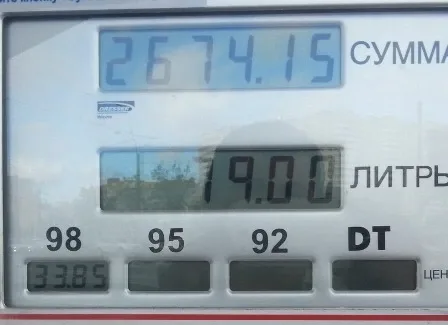
Переливы. Вопреки распространенному мнению, чаще всего виноваты не работники автозаправок и не хитрости с оборудованием (хотя и такое случается), а фактический объем бака. У подавляющего большинства машин паспортная вместимость не рассчитана на заполнение до самого верха. Иными словами, если заправляться до автоматического отключения пистолета, в бак войдет, скажем, 45 литров (как указано в документах). А вот если доливать медленно, «по капле», то можно залить и 50-55 литров.

Стоит отметить, что самыми точными в этом плане считаются японские автомобили – их баки редко вмещают больше чем на 10% сверх заводских данных. У европейских моделей, напротив, реальный объем может превышать паспортный на 20-25%. Что касается корейских, китайских и российских брендов, то у них перелив сверх нормы составляет порядка 15%.
Недоливы. Не стоит сразу возмущаться и требовать жалобную книгу, если вам кажется, что на заправке вас обсчитали. Сигнал лампочки или сообщение бортового компьютера о нулевом запасе хода вовсе не означает, что бак опустел. Почти все автопроизводители предусматривают так называемый «резервный запас топлива». Это тот минимум, которого хватит еще на 30-50 километров пути (при спокойной езде), даже когда электроника уже сообщила о нуле. По сути, это та же перестраховка, что и завышенные показания спидометра – приборы всегда показывают скорость несколько большую, чем реальная.
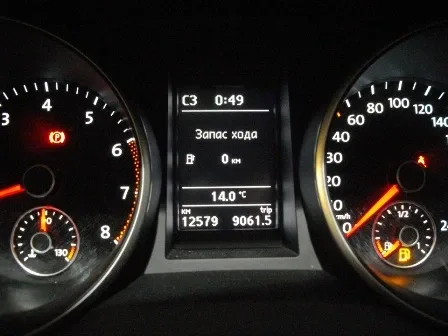
Добавим, что некоторые производители даже указывают величину резерва. Например, у концерна VAG (Volkswagen, Audi, SEAT, Skoda и другие) в зависимости от модели резервный запас составляет 10-13% от паспортного объема бака (чаще всего – 7 литров). То есть, когда электроника показывает пустой бак, на самом деле в нем еще плещется несколько литров горючего. С японскими машинами ситуация иная – резерв у них значительно меньше (3-5 процентов от объема бака).
Есть и еще один любопытный момент. В последнее время все больше автопроизводителей подталкивают своих клиентов не откладывать визит на заправку иначе. Они намеренно настраивают компьютер так, чтобы он переставал показывать остаток хода, когда тот снижается до 30-50 км. Второй способ – растет количество моделей (в основном японских и европейских), у которых бортовые компьютеры просто «не видят» меньше 10 литров топлива в пустом баке.
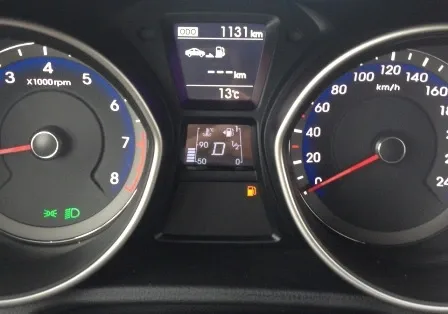
Зачем это делается? Автопроизводители преследуют единственную цель – уберечь владельцев от поломок, которые пришлось бы устранять по гарантии. Пустой бак действительно способен привести к неприятным последствиям для топливного насоса (и не только). Поэтому настоятельно советуем не доводить машину до полного опустошения бака.
Заправляем под горловину
Заправлять автомобиль до полного отказа имеет смысл перед дальней поездкой. Например, собираясь в отпуск, скажем, в Крым. Логично, что 60 литров в баке лучше, чем 45 – запас хода больше, значит, можно реже останавливаться на заправках. К тому же некоторые украинские дороги до сих пор не изобилуют автозаправочными станциями – есть риск застрять без бензина в безлюдной местности.
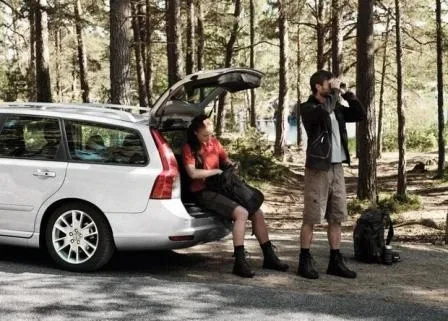
Разница между паспортной и реальной емкостью бака не случайна. Заводские характеристики не учитывают «пустоты безопасности». Но раз эти пустоты существуют, значит, они выполняют какую-то функцию. Да и топливораздаточные колонки почему-то автоматически блокируют подачу при номинальном заполнении бака.
В современных автомобилях имеется целая система вентиляции топливного бака, в состав которой обычно входят три клапана:
1. Гравитационный клапан.
Перекрывает вентиляционную трубку, когда автомобиль наклоняется более чем на 45°. Расположен между топливным баком и адсорбером, который поглощает пары бензина из бака.
2. Электромагнитный клапан.
Управляется системой впрыска топлива, открывает доступ газам из адсорбера во впускной коллектор. Находится в моторном отсеке.
3. Вентиляционный клапан.
Во время движения через него в топливный бак поступает атмосферный воздух по мере расходования топлива, поэтому в баке не создается пониженное давление. Находится в районе заливного патрубка, поэтому именно о нем знает большинство водителей.
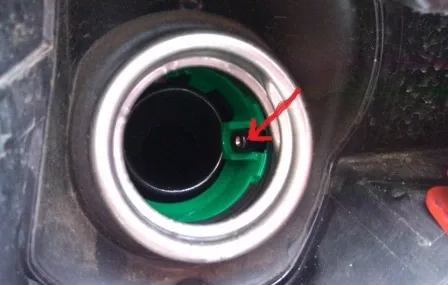
Чтобы понять назначение вентиляции топливного бака, рассмотрим в качестве примера инструкцию по эксплуатации Audi A4. Вот что в ней говорится:
• В верхней части топливного бака подсоединена вентиляционная трубка. Сначала она идет через соединительный узел на заливном патрубке к гравитационному клапану. Он закрывает трубку, как только автомобиль наклоняется на бок более чем на 45°. Так предотвращается вытекание топлива через вентиляционную трубку при авариях.
• Далее вентиляционная трубка выводится не просто наружу, а подключается к угольному фильтру. Назначение этого устройства – улавливание вредных для окружающей среды топливных паров, которые выходят через эту трубку (они возникают, например, при нагревании содержимого топливного бака). Когда двигатель работает, при определенной нагрузке газы снова отсасываются из угольного фильтра. Момент, когда это происходит, определяет электромагнитный клапан, управляемый впрыском топлива.
• Параллельно этой системе существует скоростная вентиляция, которая ведет к заливному патрубку через компенсирующий объем в виде емкости специального назначения в заливной шахте топливного бака. Этот путь вентиляции важен прежде всего при заправке, когда уровень топлива быстро поднимается, и пары должны вытесняться, но не попадать в атмосферу в чрезмерных количествах.
• Во время движения этим же путем в топливный бак попадает атмосферный воздух по мере расходования топлива, поэтому в баке не может возникнуть пониженное давление.
Если же залить авто до самого верха (некоторые даже утрамбовывают топливо, раскачивая автомобиль), работа системы вентиляции бака может нарушиться.
Александр Чаленко, начальник департамента сервиса Корпорации УкрАВТО:
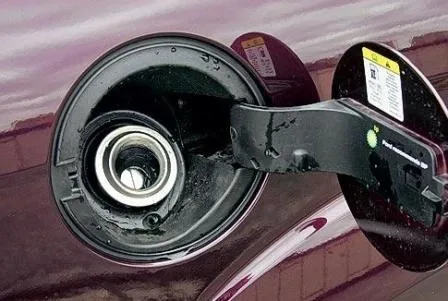
«Заливать бензин „под завязку“ – не самая удачная идея. В этом случае возможно вытекание топлива как через пробку заливной горловины, так и через дренажные трубки топливной системы. Во втором случае подтекание будет малозаметным, поскольку трубки находятся в скрытом от глаз месте (под задним крылом или боковиной). В этом случае возможно попадание топлива на различные части автомобиля: на резиновые детали ходовой, на проводку, на детали трансмиссии, на тормозную систему. И самое опасное – на детали выхлопной системы (глушитель), которые, как известно, нагреваются до высокой температуры! С тормозами опасность та же. Если с резиновыми частями проще – они просто размякнут, то с тормозами и глушителем дело обстоит серьезнее. Не исключено воспламенение!»
В отдельных случаях после заправки под горловину бортовой компьютер может выдать ошибку, проинформировав водителя надписью «Check». Бывает и увеличение расхода топлива. Не исключено, что автомобиль и вовсе не заведется.
Подведем итоги
Вышеописанные последствия связаны с тем, что ухудшается подача топлива. А должно быть так: в том объеме, в каком расходуется топливо, в бак должен проникать воздух, иначе в нем образуется пониженное давление, и подача топлива ухудшается или приостанавливается. Также бак должен вентилироваться для того, чтобы у топлива была возможность для расширения при нагревании. Теперь вспомните, что за окнами жаркое лето, и представьте возможные последствия заливания топлива под горлышко при +30°С. Наш совет: если и утрамбовывать топливо, то не до крайней точки, когда оно будет виднеться из горлышка. И второй важный момент – делать это лишь в тех ситуациях, когда после такого залива топлива вам удастся проехать по меньшей мере 80-100 км, чтобы израсходовать хотя бы часть «сверх нормы». Но лучше – заправляться до отстрела (достаточно иметь про запас канистру с топливом) и учить правила экономичной езды.