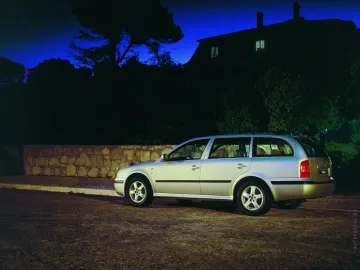
Как выбрать подержанную Skoda Octavia Tour без ошибок и на что обратить внимание — об этом пойдет речь в нашем сегодняшнем материале, посвященном проверенным временем моделям на вторичном рынке.
Краткие характеристики
• Кузов: пятидверный хэтчбек или универсал
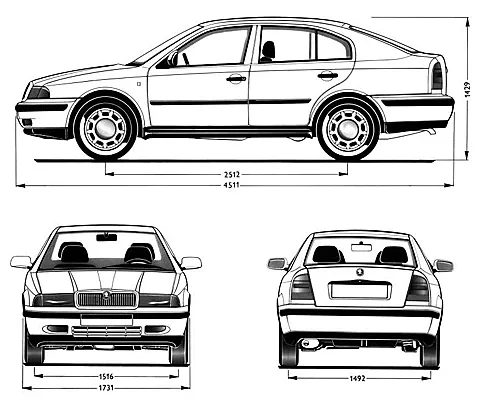
• Размеры (Д/Ш/В), мм: 4507/1731/1431 и 4513/1731/1457
• Колесная база, мм: 2512
• Клиренс, мм: 134
• Вес снаряженный/полный, кг: 1270/1855
• Багажное отделение, л: 528/1328 и 548/1512
• Топливный бак, л: 55
• Привод: передний или подключаемый полный
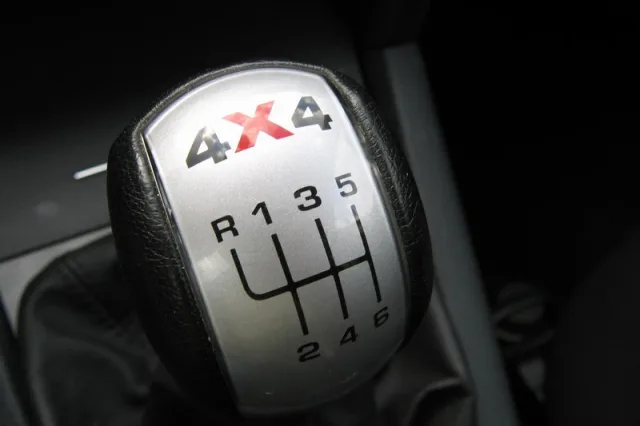
• Коробки передач: механика на 5 или 6 ступеней, а также 4-диапазонный автомат
• Тормоза спереди/сзади: дисковые вентилируемые/дисковые либо барабанные
• Подвеска: спереди независимая, сзади полузависимая
• Силовые агрегаты:
• Бензиновые — рядные четырехцилиндровые с распределенным впрыском: 1.4 MPI (75 л. с.), 1.6 (75 л. с.), 1.6 MPI (102 л. с.), 1.8 20V (125 л. с.), 1.8 20V Turbo (150 л. с. и 180 л. с. для RS), 2.0 (115 л. с.)
• Дизельные — турбированные рядные четверки с непосредственным впрыском: 1.9 SDI (68 л. с.), 1.9 TDI (90 л. с.), 1.9 TDI (100 л. с.), 1.9 TDI (110 л. с.), 1.9 TDI (130 л. с.)
Историческая справка
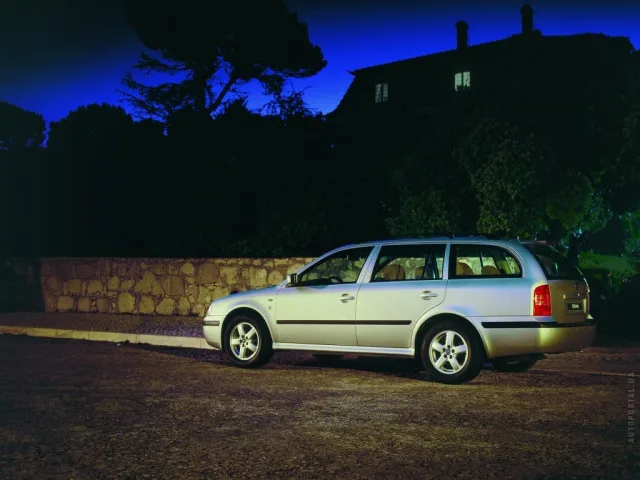
Дебют Skoda Octavia состоялся осенью 1996 года на автосалоне в Париже, а серийное производство стартовало в следующем году.
В 2000-м модель пережила обновление, затронувшее внешность и внутреннее убранство.
17 февраля 2004 года был выпущен миллионный экземпляр — серая Octavia Tour с 1.9-литровым дизелем мощностью 90 л. с.
В августе 2004-го завод в Млада-Болеславе остановил выпуск первого поколения, переключившись на вторую генерацию модели.
В марте 2005-го в честь столетия предприятия вышла лимитированная серия Octavia Tour «Edition 100».
С ноября 2005 года универсал Octavia Combi Tour собирали на индийском заводе в Аурангабаде. Также модель выпускалась на мощностях «Еврокар» в Украине вплоть до апреля 2010-го.
1 октября 2010 года производство Octavia Tour завершилось — на смену пришла обновленная Skoda Octavia II.
Кузов
Экстерьер Octavia Tour разрабатывался чешскими дизайнерами, о чем заявляет сам производитель. Для покупателей это, впрочем, не главное. Важнее другое: кузов полностью оцинкован, поэтому коррозия ему не страшна — даже на самых ранних экземплярах. Skoda дает десятилетнюю гарантию от сквозной ржавчины и три года на лакокрасочное покрытие. Если на кузове все же обнаружилась ржавчина, скорее всего, это следствие некачественного ремонта после ДТП.
В целом, кузов получился продуманным и сбалансированным, без излишеств в дизайне. Над проектом работал Дирк Ван Брекель, который ранее создавал Audi A3 и Audi 80 Avant. Единственная деталь, способная расстроить владельца, — крупные фирменные эмблемы спереди и сзади, которые часто становятся добычей вандалов. Передний значок стоит около 100 грн, задний — чуть дешевле.
При осмотре подержанного автомобиля стоит проверить газовые упоры крышки багажника — она тяжелая и со временем амортизаторы перестают ее удерживать. Также обратите внимание на задние электростеклоподъемники: по статистике сервисов, они ломаются довольно часто (новая деталь обойдется примерно в 600 грн, плюс около 100 грн за работу). На неровной дороге у Octavia Tour могут поскрипывать дверные замки.
Интерьер
Внутреннее убранство Octavia Tour выполнено из добротных материалов, ориентированных на практичность и износостойкость. Оформление скромное, но сборка аккуратная. Различные «умные» мелочи и удобные аксессуары делают машину хорошим выбором для семей с детьми.
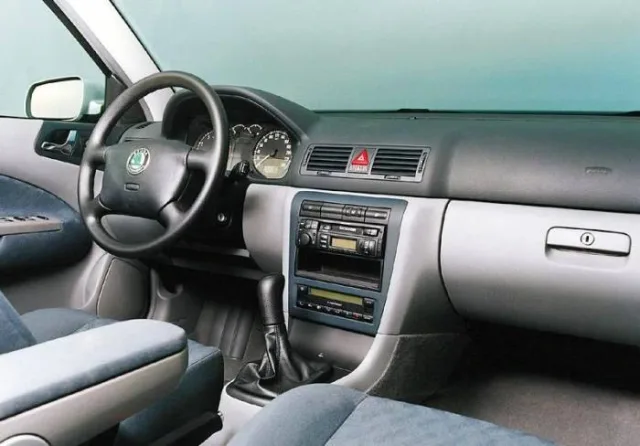
Передние кресла не могут похвастаться выраженной боковой поддержкой, однако удерживают достаточно плотно. За рулем сможет удобно расположиться водитель практически любого роста. Сиденье и рулевая колонка регулируются по высоте. Эргономика, впрочем, вызывает смешанные чувства: переключатели и рычаг КПП удобны, а вот руль лежит в руках не идеально. Педаль газа расположена низковато, так что к педальному узлу придется привыкать. На заднем диване троим будет тесно даже при средней комплекции пассажиров.
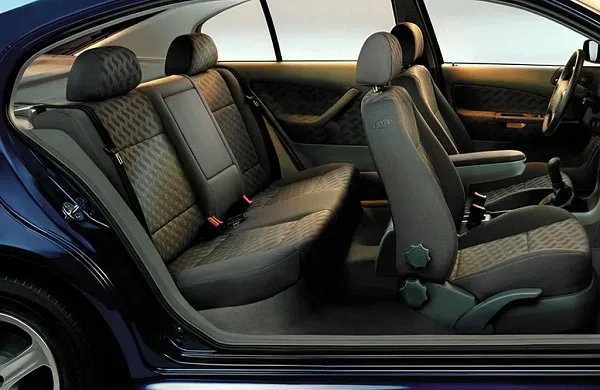
Сзади не хватает пространства для ног — особенно если впереди сидят высокие люди. Часть салонного объема инженеры «отдали» багажнику.
Обзорность вперед неплохая, но при движении задним ходом высокая корма заставляет полагаться только на боковые зеркала.
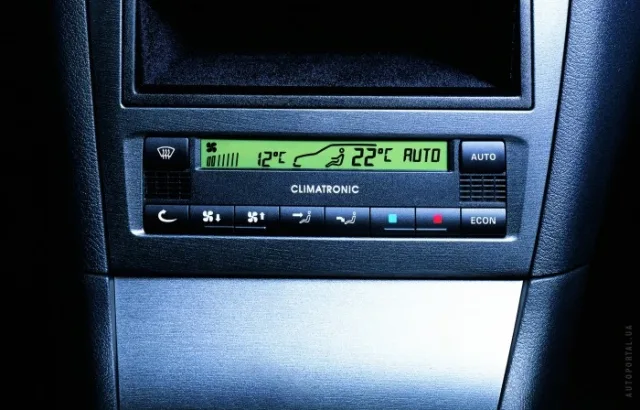
Комфорт в поездках обеспечивает кондиционер, который есть на большинстве машин. В топовых комплектациях устанавливался климат-контроль — чаще всего на бензиновых турбированных версиях. Нареканий на работу кондиционера и климата в Octavia Tour практически нет.
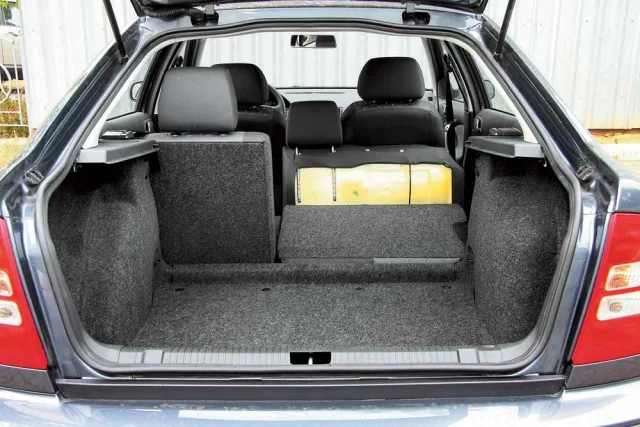
Главный козырь Octavia Tour — вместительный багажник (528 и 548 л). При необходимости его объем можно увеличить, сложив задние сиденья — тогда влезут и крупные покупки, и все необходимое для отпуска.
Двигатели
На украинском вторичном рынке чаще всего встречаются Octavia Tour с бензиновыми моторами 1,6–1,8 л. Дизельные модификации попадаются реже, а слабые 1,4-литровые версии официально в нашу страну не поставлялись.
Помпа на двигателях Octavia приводится ремнем ГРМ, поэтому при каждой замене ремня (интервал — 60 000 км) нужно проверять состояние водяного насоса. Если антифриз подтекает или вал имеет люфт, насос следует менять немедленно, иначе встреча клапанов с поршнями неизбежна.
Самая популярная у нас версия — с 1,6-литровым бензиновым мотором. Однако у таких машин иногда выходят из строя расходомеры воздуха. Причина — неудачная конструкция воздухозаборного патрубка с фильтрующей сеткой на входе, которая со временем забивается и перегружает потенциометр расходомера, что приводит к его поломке.
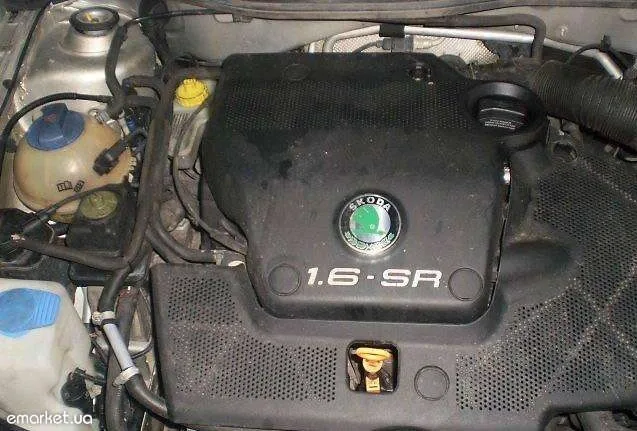
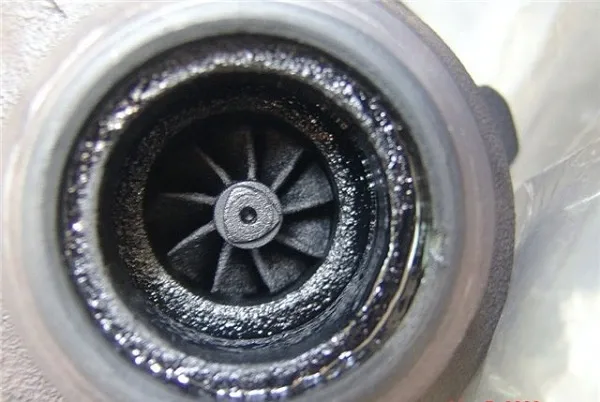
Двухлитровые моторы отличаются повышенным расходом масла. У двигателей 1.8 Turbo слабое место — турбина, ресурс которой составляет примерно 150–200 тыс. км. Чтобы продлить ее жизнь, нужно правильно эксплуатировать машину: не трогаться на непрогретом двигателе (для прогрева масла достаточно пары минут работы на холостых) и после длительных поездок давать мотору поработать на холостом ходу 2–3 минуты, чтобы избежать закоксовки турбины — для этого можно установить турботаймер.
Шкодовские моторы неприхотливы: двигатель 1.6 спокойно переваривает 92-й бензин, хотя производитель рекомендует АИ-95. Многие владельцы обслуживают машину самостоятельно. Но здесь есть нюанс: при откручивании сливной пробки легко сорвать резьбу, и тогда придется менять картер — это примерно 1500 грн вместе с работой.
Дизельные версии очень экономичны — около 5 л на 100 км в смешанном цикле. Однако из-за неважного качества местного топлива дизель сложно рекомендовать однозначно, особенно модификации с насос-форсунками (1.9 TDI 100/130 л. с.).
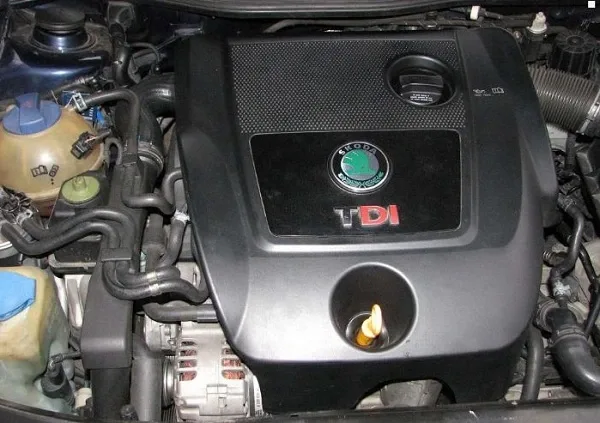
Некачественная солярка выводит из строя топливные насосы, восстановление которых обойдется в 8000 грн.
Трансмиссия
Большинство Octavia Tour на наших дорогах оснащены механической коробкой. «Автомат» — большая редкость, и надежностью он не блещет: оси сателлитов дифференциала могут сместиться и пробить картер. Остальные агрегаты претензий не вызывают.
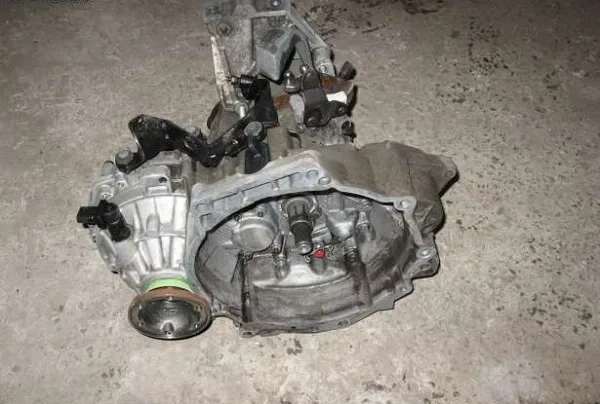
У механики есть типичная болячка — плохое включение первой передачи, особенно в мороз. Периодически требуется регулировка тросика между КПП и рычагом (хотя это не всегда решает проблему). Лучше совмещать эту операцию с заменой масла, стоимость — около 100 грн. Производитель считает, что масло в механической коробке рассчитано на весь срок службы, но на практике его приходится менять каждые 100–150 тысяч км: из-за перепадов температур внутри агрегатов скапливается влага.
Подавляющее большинство Octavia Tour — переднеприводные, но изредка встречаются полноприводные модификации. В их трансмиссии используется электронноуправляемая муфта Haldex, которая блокируется при пробуксовке передних колес и передает до 50% крутящего момента на заднюю ось. Полноприводные версии считаются надежными, хотя их обслуживание обходится дороже, чем у переднеприводных.
Ходовая часть
Подвеска Octavia Tour отличается высокой энергоемкостью и хорошо приспособлена к нашим дорогам. Есть небольшие претензии к плавности хода — мелкие неровности ощущаются в салоне.
Конструкция подвески проста: длинноходные амортизаторы, спереди — классический McPherson, сзади — полузависимая балка. Сайлент-блоки задней балки выхаживают до 150 000 км.
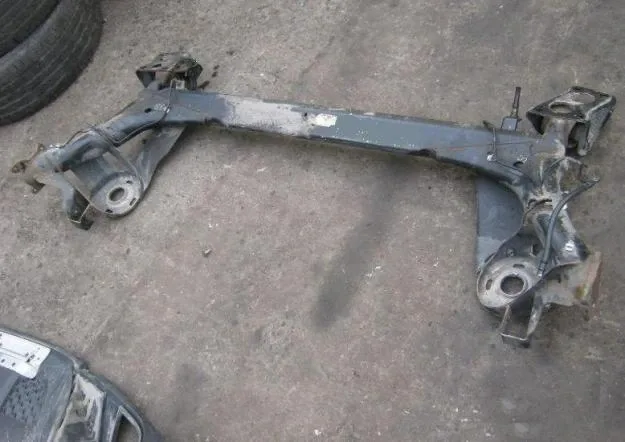
В передней подвеске втулки стабилизатора приходится менять в среднем каждые 30 000 км (около 150 грн), стойки служат дольше — до 70 000 км (примерно 400 грн). Некоторые владельцы жалуются на скрип спереди, который издают исправные втулки. Шаровые опоры и сайлент-блоки передних рычагов выдерживают около 100 000 км.
Octavia Tour оснащена гидроусилителем руля, к которому особых претензий нет. Даже на наших дорогах наконечники рулевых тяг служат до 100 тыс. км. Тормозная система тоже не вызывает нареканий.
Стоимость запчастей и обслуживания
Запчасти для Octavia Tour сравнительно недорогие и почти всегда есть в наличии. То же касается обслуживания у официального дилера. Регламентный ТО предписывается проходить раз в год или каждые 15 тысяч км пробега.
Цены на запчасти (Skoda Octavia 1.6):
Тормозные диски пер./зад. — 670/380 грн.
Колодки пер./зад. — 300/250 грн.
Втулки стабилизаторов — 80 грн. (за шт.)
Воздушный фильтр — 90 грн.
Капот б/у — 800–1200 грн.
Бампер пер. б/у — 1000–1200 грн.
Фары пер. б/у — 800–900 грн.
Плюсы
| Минусы
|
Заключение
Skoda Octavia Tour — удачная модель, что подтверждается обилием таких автомобилей на дорогах. Секрет успеха прост: высокое качество, практичный кузов с вместительным багажником и невысокая стоимость эксплуатации.
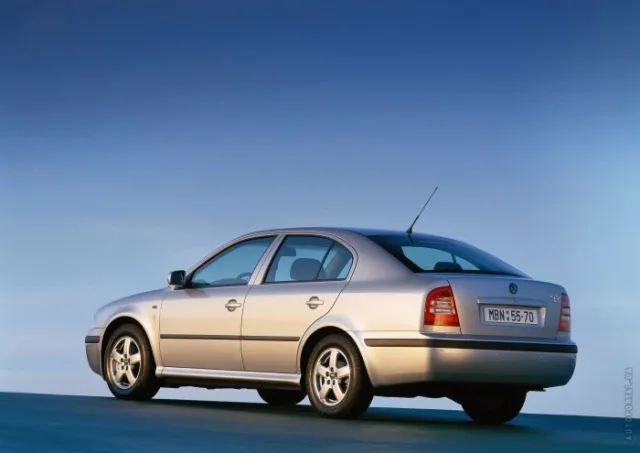
И напоследок важный совет: при выборе подержанной Octavia Tour не стоит слепо доверять показаниям одометра. Эту модель часто используют в корпоративных парках, поэтому пробег у таких машин может быть значительным. Достоверно определить реальный пробег сможет только специалист.
Цены варьируются от 7 тыс. долларов за ранние экземпляры до 17 тыс. долларов за машины последних лет выпуска.