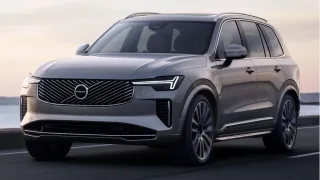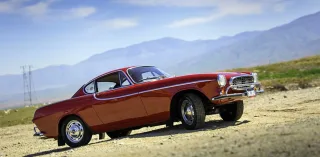
In 2010, the Chinese holding company Geely Automobile Holdings Limited acquired Volvo from Ford for $1.8 billion. Until recently, the Swedish brand operated fairly autonomously, although it exchanged technologies with other brands within the Geely structure, primarily with Geely itself and the premium Lynk&Co. Last year, the engine divisions of the companies were merged into a separate business unit.
Now the companies are considering a full merger, which would result in the emergence of a new global automaker. The idea is that this would provide access to "economies of scale, accumulated knowledge, and resources," allowing them to become one of the leaders in the industry's transformation. As Geely's chairman of the board, Li Shufu, noted, "synergy within the group will strengthen, but the integrity and competitive advantages of both brands will be preserved."
The merger with Geely would give Volvo the opportunity to compete with the Volkswagen Group and the recently formed FCA-PSA alliance. The Swedes would also gain access to additional production sites in China, while Geely, in turn, could count on assistance in promoting its brand in the European market. However, specific timelines for the merger have not yet been announced — the companies have only formed working groups that will prepare proposals for each side and submit them for consideration by the boards of directors.
In addition to Volvo, Geely Automobile Holdings Limited includes Geely itself, Malaysia's Proton, Britain's Lotus, the London taxi manufacturer LEVC, and the premium brand Lynk&Co.