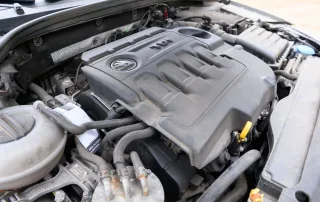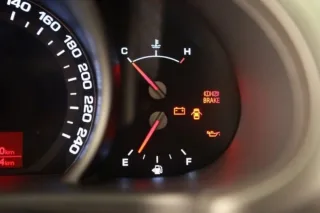
If a liter of diesel costs 100 UAH, costs are determined not only by the car's stated consumption. Frequent short routes with a cold engine and interrupted DPF soot filter regeneration increase actual fuel consumption.
Short trips in a diesel interfere with soot filter cleaning
The DPF accumulates soot, which the car periodically burns off at high temperature. During active regeneration, the control unit supplies additional fuel to heat the exhaust system. The AA directly names increased fuel consumption as one of the signs of this process.
"The problem arises if the trip is too short and regeneration does not have time to complete," notes author Oleksii Astapov.
According to The AA, active regeneration can last 5-10 minutes. Frequent short routes, during which the engine does not have time to warm up, are among the reasons that prevent normal DPF cleaning.
If the process is constantly interrupted, the filter remains partially filled. RAC also notes that short trips at low speed are one of the main causes of soot filter clogging.
A cold diesel increases costs not only for fuel
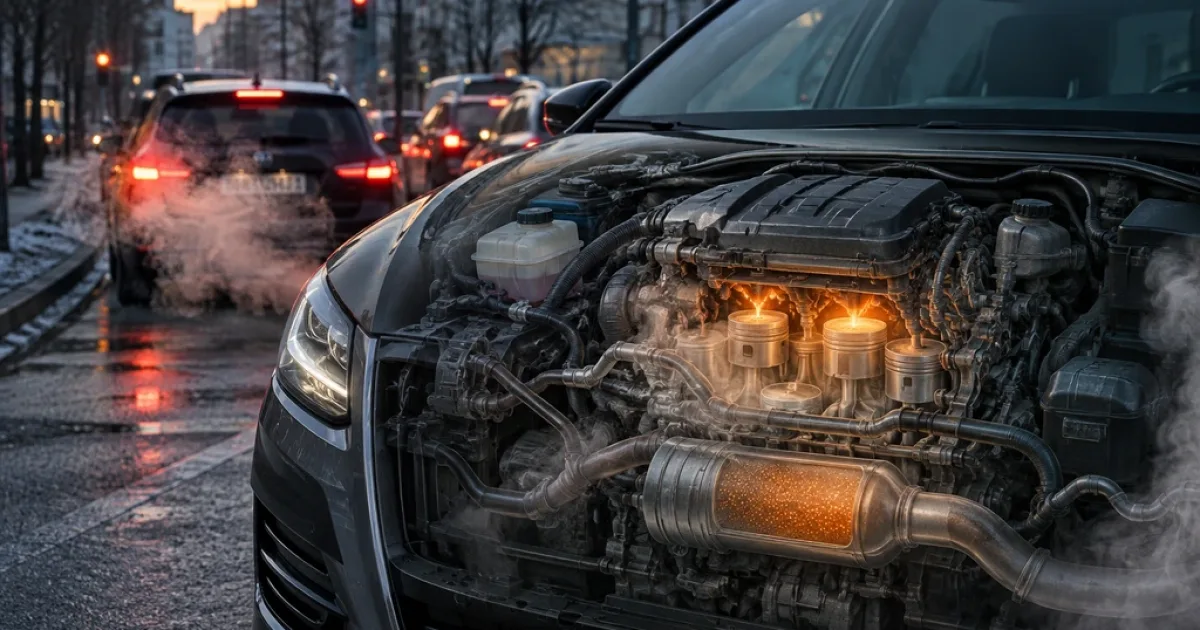
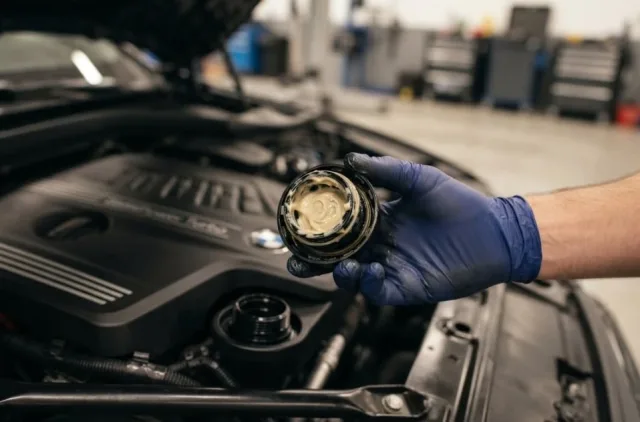
ADAC warns of another problem with diesels that are mainly driven short distances. During an attempted regeneration, the additional fuel may not burn completely and may enter the engine oil. Due to its dilution, the lubricating properties deteriorate and the risk of engine wear increases.
HELLA indicates that active regeneration requires a change in the injection mode, and the temperature in the DPF for burning off soot can rise to 600-650°C. Interrupting the cleaning can lead to problems with the filter and the need for service regeneration.
Therefore, at a conditional diesel price of 100 UAH/l, short routes can mean not only higher costs per every 100 km, but also additional load on the DPF and engine oil.