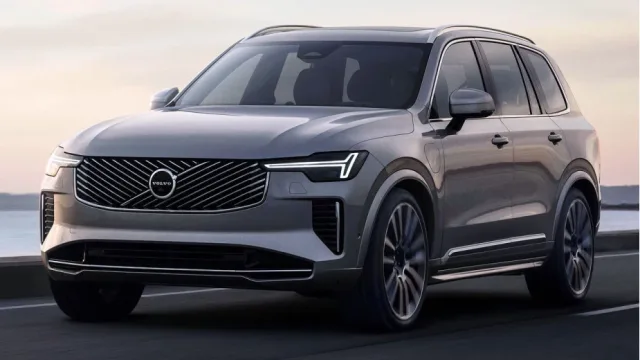
Если говорить о корнях бренда, то страна производства Volvo с самого начала - это Швеция. Именно здесь, в 1927 году в городе Гётеборг, был создан первый автомобиль компании - Volvo ÖV4. С тех пор шведское происхождение стало неотъемлемой частью имиджа бренда. Дизайн, акцент на безопасность, инженерные решения - всё это формировалось в контексте скандинавской культуры и стиля жизни. На протяжении десятилетий Швеция оставалась не только страной, где проектировались и собирались автомобили Volvo, но и местом, где рождались уникальные технологические решения, позже принятые во всем мире как стандарт (например, трехточечный ремень безопасности, впервые внедренный именно в Volvo). Таким образом, говоря о том, какая страна производит автомобиль Volvo, важно понимать, что даже сегодня в глазах большинства потребителей именно Швеция ассоциируется с качеством бренда.
Кто владеет брендом Volvo сейчас?
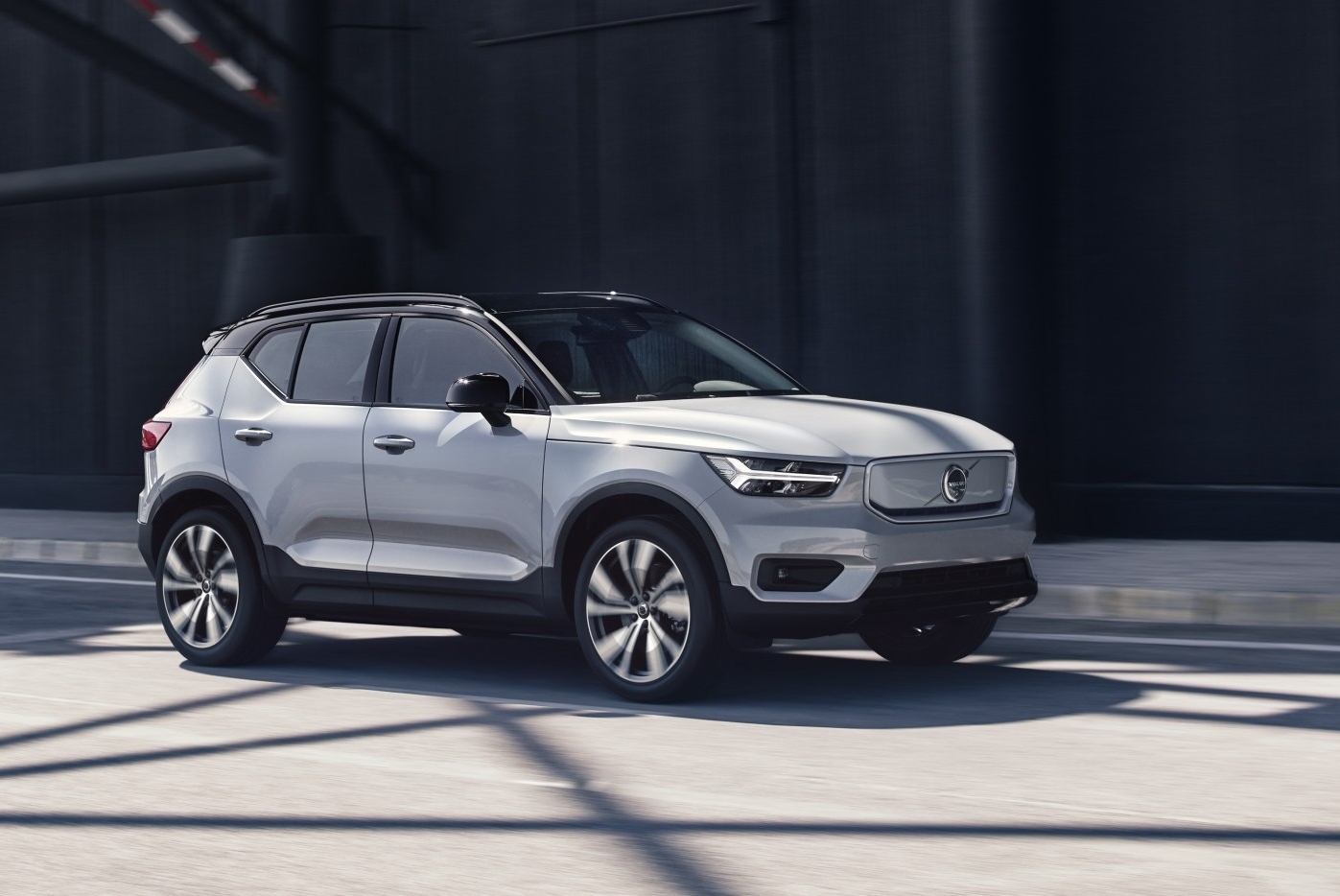
В 2010 году произошло значимое событие: шведскую компанию Volvo Cars выкупил китайский автогигант Geely Holding Group. Это вызвало бурную реакцию как в отрасли, так и среди поклонников марки. Многие начали сомневаться: не повлияет ли это на качество? Останется ли Volvo шведской компанией? На практике, хотя владельцем является китайская корпорация, бренд Volvo сохранил штаб-квартиру в Швеции, а также все ключевые подразделения, отвечающие за разработку, тестирование и сертификацию автомобилей. Это означает, что страна-производитель Volvo в контексте проектирования и контроля - по-прежнему Швеция. Важно отличать владение брендом от места производства. Несмотря на смену собственника, компания не утратила своей идентичности, а наоборот - получила дополнительный ресурс для развития технологий, создания новых моделей и выхода на рынки Азии.
Где собирают автомобили Volvo сегодня: обзор стран
Volvo - это международный производитель, и сегодня автомобили собираются в разных странах. Рассмотрим, в каких странах находятся основные заводы Volvo.
1. Швеция
Гётеборг (Torslanda Plant) - главный производственный центр. Здесь выпускаются флагманские модели: XC90, XC60, V60, V90, S90.
Skövde - производство двигателей и трансмиссий.
Осло и Лунд - вспомогательные центры исследований и логистики.
2. Китай
Чэнду - производство моделей для внутреннего и мирового рынков, включая S60 и XC60.
Дацин - сборка S90 Long и других седанов премиум-класса.
Луцяо - завод для моделей линейки Polestar и XC40.
Volvo активно развивает китайское производство, особенно для азиатских рынков. Однако даже машины китайской сборки проходят контроль качества по шведским стандартам.
3. США
В 2018 году компания открыла завод в Чарлстоне (Южная Каролина). Здесь собираются S60 и планируется производство электромобилей.
Этот завод обслуживает североамериканский рынок, что позволяет снизить налоги на импорт и обеспечить оперативные поставки.
4. Бельгия
Завод в Генте - один из старейших за пределами Швеции. Здесь собирают XC40, включая его электрическую версию.
Также производится часть гибридов.
5. Малайзия, Индия, Южная Корея
Локальные сборочные площадки для внутреннего рынка. Эти заводы работают по принципу CKD (сборка из готовых комплектов).
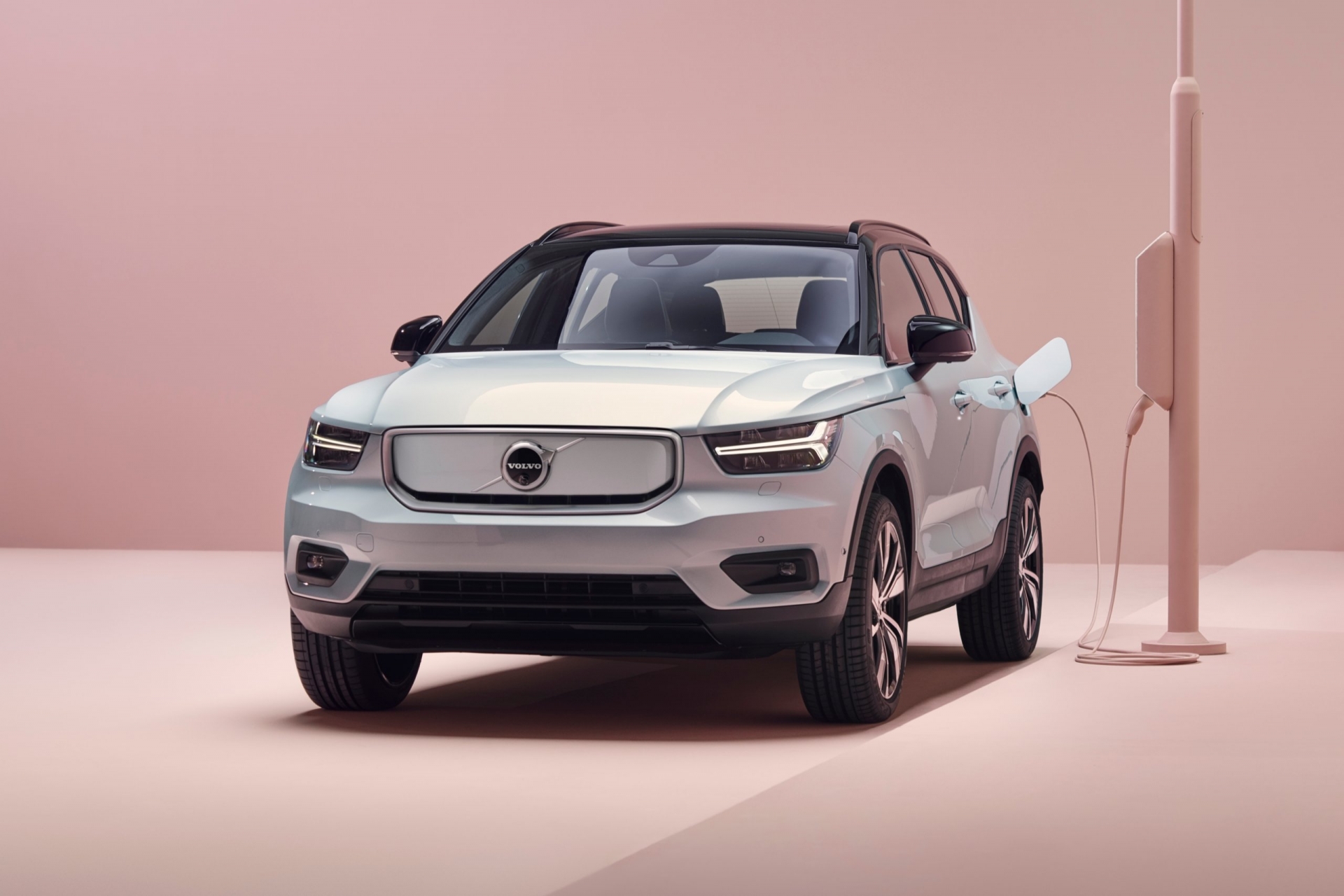
Как узнать, где собран конкретный автомобиль Volvo?
Для точного определения страны сборки нужно посмотреть на VIN-код (Vehicle Identification Number). Первая буква или цифра VIN указывает на страну-производителя:
YV1, YV4, YV5 - Швеция
LYV - Китай
7JR - США
YV3 - Бельгия
Таким образом, при покупке автомобиля Volvo можно легко определить, какая страна производит именно эту модель, просто посмотрев на ее VIN.
Влияет ли страна сборки на качество?
В эпоху глобализации страна-производитель - это лишь один из факторов. Главное - стандарты компании. В случае Volvo, где бы ни собирался автомобиль - в Китае, Бельгии или США - он проходит строгий контроль качества.
Все заводы работают по единой системе качества Volvo.
Сотрудники проходят обучение по шведским стандартам.
Контроль безопасности и экологичности автомобилей одинаков на всех континентах.
Тем не менее, среди европейских покупателей до сих пор более высоким доверием пользуются автомобили шведской и бельгийской сборки.
Почему Volvo остается «шведом», несмотря на глобализацию?
Штаб-квартира и R&D (Research & Development) - в Гётеборге.
Стратегическое управление - в руках шведских и европейских специалистов.
Дизайн, технологии безопасности, инновации - всё разрабатывается в Швеции.
Даже модели, собранные в Китае или США, проектируются и тестируются в Европе.
Таким образом, страна производства Volvo может быть разной, но философия бренда остаётся неизменной - это шведский подход к безопасности, качеству и инновациям.
Заключение
Если вас интересует, какая страна производит автомобиль Volvo, то ответ - многогранный. Volvo - это шведский бренд с историей, культурой и стандартами, заложенными в Скандинавии. Однако в современных условиях сборка автомобилей осуществляется в Швеции, Китае, Бельгии, США и других странах. Чтобы узнать, в какой стране собран конкретный автомобиль Volvo, достаточно посмотреть на VIN-код. Это простой и точный способ проверить происхождение. Независимо от того, в какой стране собран ваш автомобиль, Volvo остается верна своей репутации безопасного, качественного и надежного авто, сочетающего в себе лучшие инженерные решения с заботой о водителе и пассажирах.