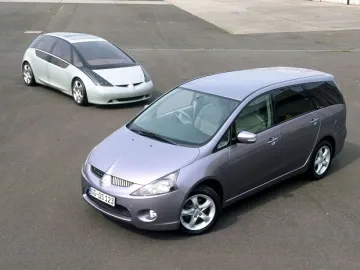
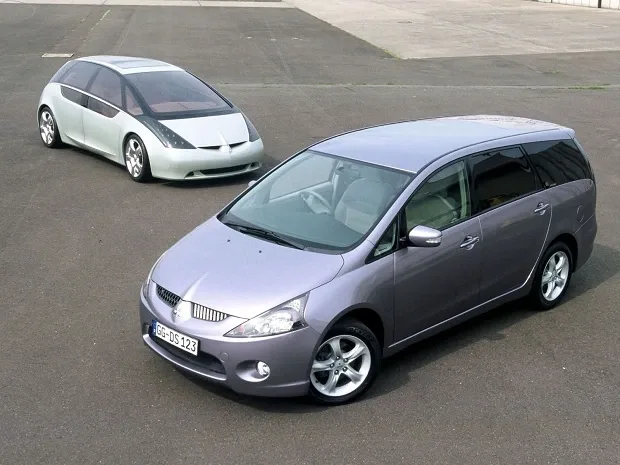
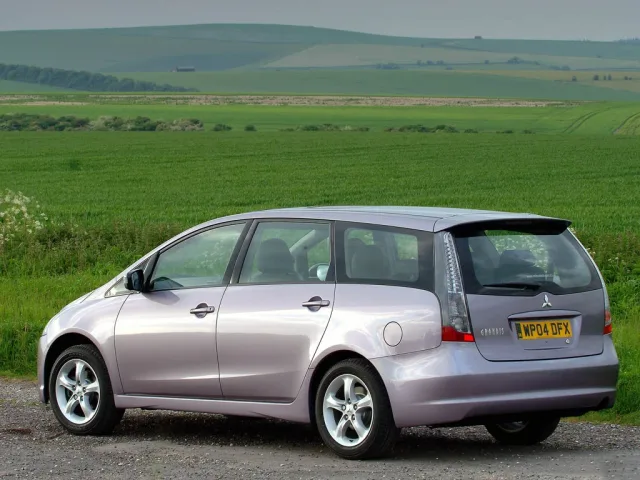
Как известно, сегодняшний материал о подержанных автомобилях будет посвящен разбору всех сложностей, с которыми может столкнуться желающий приобрести подержанный Mitsubishi Grandis.
Описание
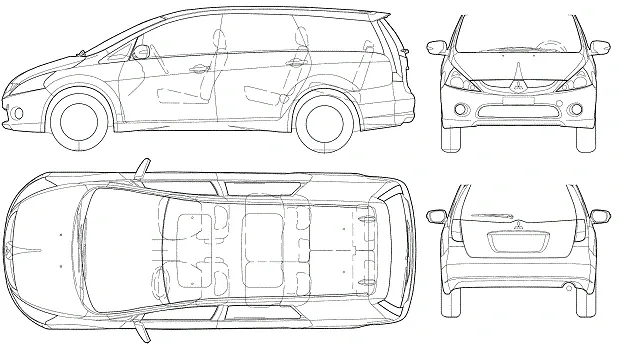
• Тип кузова: • Габариты Длина/Ширина/Высота, мм: 4765/1795/1660
• База, мм: 2830
• Дорожный просвет, мм: 165
• Масса снаряженная/полная, кг: 1645/2250
• Объем багажника, л: 320
• Объем бака, л: 65
• Тип привода: передний
• КПП: механическая 5/6-ступ., автоматическая 4-ступ.
• Тормоза передние/задние: вентилируемые дисковые/ дисковые
• Подвеска передняя/задняя: независимая, типа Макферсон/ независимая, на продольных рычагах
• Двигатели:
• Бензиновые 4-цилиндровые рядный: 2.4(165 л. с.)
• Дизельные рядные 4-цилиндровые с турбонаддувом и непосредственным впрыском: 2.0Di-D (136 л. с.)
История
14 мая 2003 года: Mitsubishi Grandis стал преемником устаревшей модели Space Wagon
2004 год: Начало продаж автомобиля в Украине
2005 год: был проведен рестайлинг модели (изменен экстерьер, расширен перечень оснащения салона)
Сентябрь 2005 года: на Grandis начали устанавливать дизельный двигатель производства Volkswagen, который получил аббревиатуру Di-D
2011 год : Mitsubishi Grandis снят с производства
Кузов
Экстерьер автомобиля был создан в новом стиле компании, разработкой которого занималась команда дизайнеров под руководством Оливье Буле – француз, долгое время работавший в Mercedes-Benz и, кстати, создавший легендарный «шестисотый» 90-х годов.
Несмотря на то, что автомобиль относится к классу минивэнов, его внешний вид отличается нестандартным и агрессивным дизайном со спортивными нотками. Он ниже большинства своих одноклассников, соответственно, имеет более низкий центр тяжести. При этом клиренс у Mitsubishi Grandis весьма немаленький - 165 мм.
Правда, при заездах на бровку хороший дорожный просвет «съедают» длинный передний свес - при преодолении бордюров (и не только) есть риск зацепить нижнюю часть бампера.
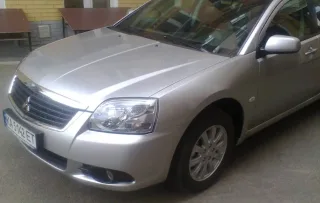
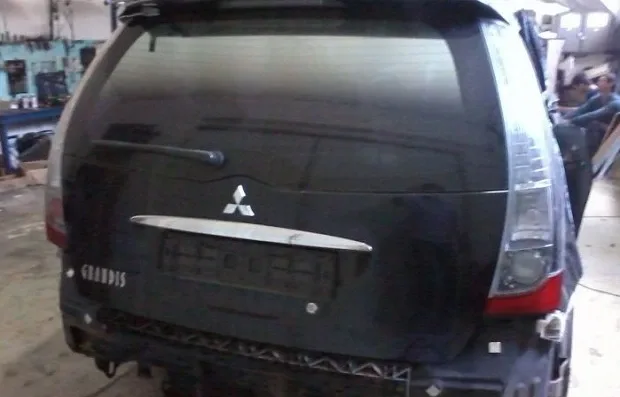
Лакокрасочное покрытие (ЛКП) не является сильной стороной Грандиса. Слой краски тонкий, а лак чувствителен даже к механическим повреждениям. Но кузов неплохо защищен от коррозии. Правда, пока не повредишь ЛКП – ржавчина появляется быстро. Из проблемных мест надо упомянуть крышку багажника. Если не следить за декоративной хромированной планкой открывания багажника, под ней со временем появятся очаги коррозии. Причем проржаветь может насквозь. В таком случае придется покупать новую крышку багажника. «Лечится» это промазыванием соединения планки с багажником герметиком.
Салон
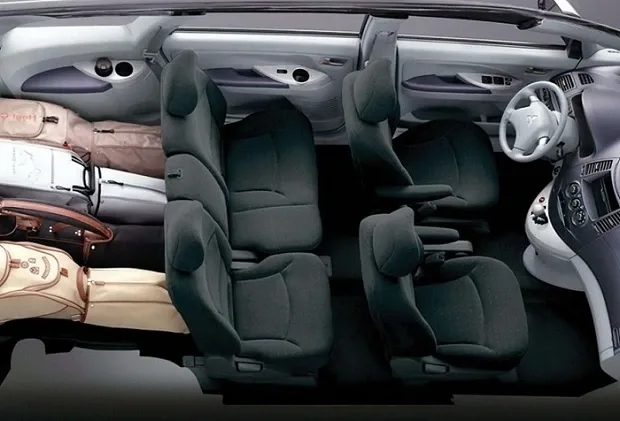
Mitsubishi Grandis является полноценным минивеном, имеющим 7 посадочных мест. Также есть 6-местные версии, с раздельным диваном второго ряда сидений. Салон автомобиля просторный, чувствовать себя дискомфортно не будет никто из пассажиров, даже на третьем ряду сидений.
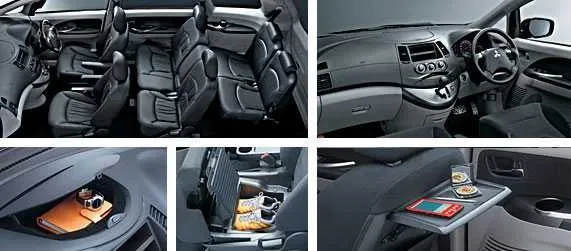
К плюсам можно отнести и хорошую трансформацию, не считая отсутствие фиксации второго ряда сидений. Сидения у Грандиса комфортные и в меру мягкие, хотя более развитая боковая поддержка и поясничный подпор (для передних сидений) не помешали бы.
Посадка водителя – момент спорный. Проблема заключается в отсутствии регулировки руля по вылету, что усложняется процесс подстройки сиденья и руля у рослых водителей. К несущественным можно отнести отсутствие круиз-контроля, который зачастую можно увидеть лишь в машинах с 2005 года выпуска. И то далеко не во всех.
Обзорность в автомобиле не очень хорошая, особенно спереди - из-за широких передних стоек, которые ограничивают обзор при повороте. Шумоизоляция также не на высоте.
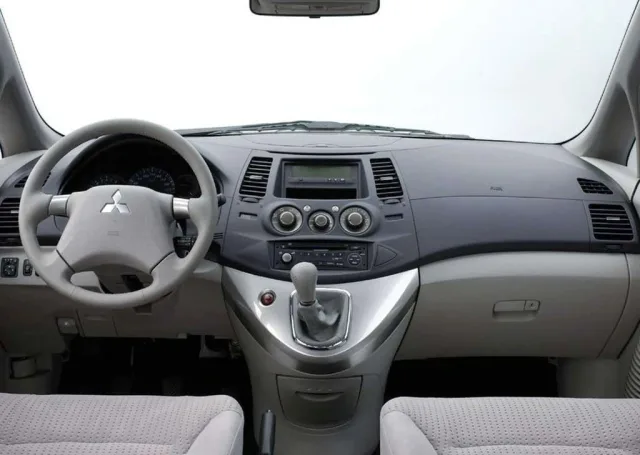
Качество материалов неплохое, правда, пластик выглядит дешево и при наступлении холодов начинает поскрипывать.
Двигатель
На нашем рынке автомобиль предлагался только с одним двигателем - бензиновым 2.4 (165 л. с.). К двигателю претензий нет, он без проблем выхаживает 350-400 тыс. км. Главным недостатком двигателя является большой расход топлива, в городе он доходит до 18 л/100 км, на трассе - порядка 9-10 л.
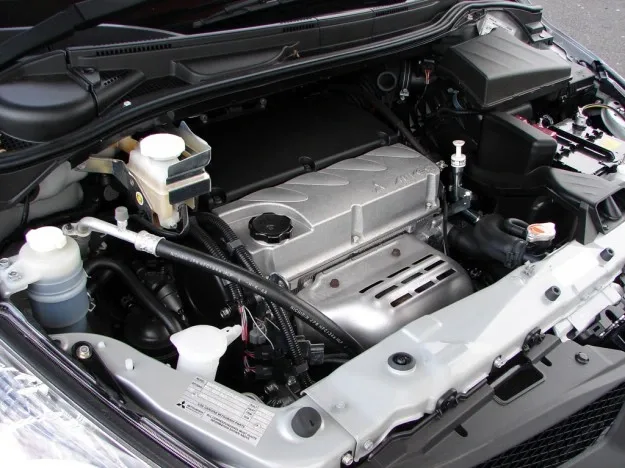
Мощности автомобилю весом почти две тонны маловато, но для людей, которые спокойно ездят, ее будет достаточно. Учитывая класс машины, придираться к этому точно бессмысленно.
Замена масла в этом двигателе производится каждые 15 тысяч км, замена ремня ГРМ и ремня балансира вместе с роликами - каждые 90 тыс. км. На ремнях и роликах лучше не экономить.
Чистку форсунок, учитывая качество нашего бензина, лучше делать каждые 30 тыс. км.
Как это ни странно, но клапана в Grandis регулируются вручную. Мотористы советуют это делать, когда уже слышен стук клапанов. При нормальной эксплуатации со своевременной заменой масла можно ездить без регулировки 100-120 тыс. км. Хотя лучше проверить зазоры на 90 тыс. км.
Еще раз отметим, что на Mitsubishi Grandis также устанавливался дизельный двигатель 2.0 Di-D производства Volkswagen, но в Украине автомобиль с таким двигателем не продавался.
Трансмиссия
Автомобиль Mitsubishi Grandis комплектовался тремя типами КПП, 4-ступенчатой автоматической КПП, и 5/6 ступенчатой механической КПП. 6-ступенчатой механикой комплектовалась только дизельная версия Grandis.
В нашей стране наиболее распространена версия с «автоматом», который хоть и морально устаревший, но весьма надежный. Многие владельцы Грандисов лишь жалуются, что на трассе не хватает пятой передачи, что способствовало бы уменьшению расхода.
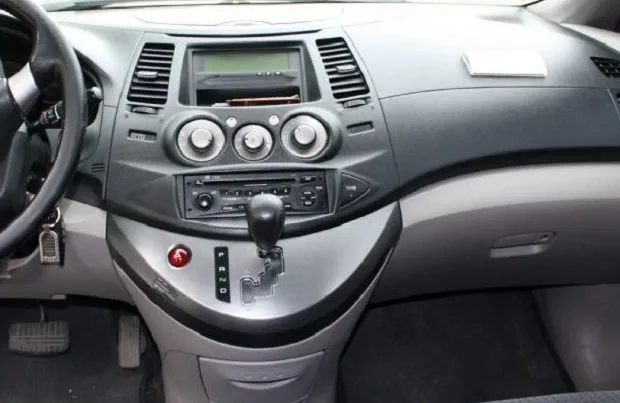
Особых претензий к АКПП нет, разве что блок управления иногда может «капризничать» - бывают случаи, когда его нужно перепрошивать или менять. Причина кроется в том, что машина может не ехать назад при включении реверса, например.
Некоторые владельцы автомобиля отмечают проблемы в работе коробки передач при переходе со второй на третью передачу. Зачастую это лечится заменой масла. По регламенту его необходимо менять каждые 100 тыс. км, но в наших условиях эксплуатации это лучше делать каждые 60 тыс. км (некоторые даже осуществляют замену каждые 40 тыс. км).
Если проблема с эластичностью переключения не проходит даже после замены масла, скорее всего причина в забитом масляном фильтре АКПП. По регламенту он рассчитан на весь срок службы КПП, но бывают случаи, когда он все же нуждается в замене. А это удовольствие не из дешевых, потому что ради фильтра нужно разбирать «коробку»!
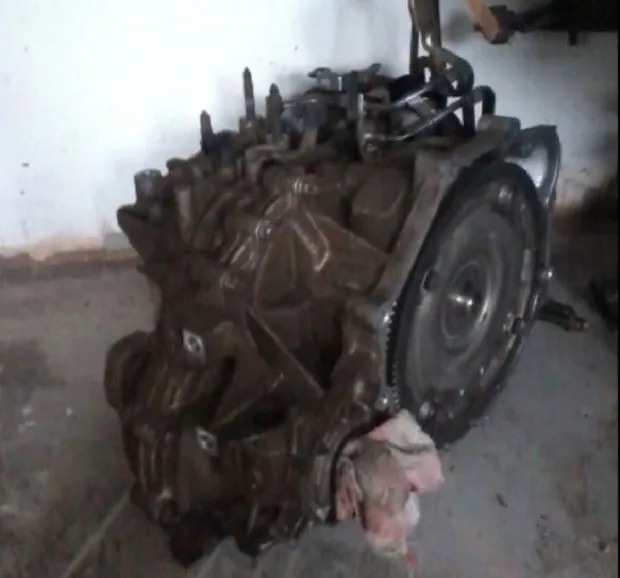
Также проблемы в переключении могут возникнуть от фрикционов, которые подгорают из-за нагрузки на КПП (причина - агрессивный стиль езды). «Механика» на нашем рынке большим спросом не пользовалась, но все же попадаются автомобили с данной КПП. Претензий к «механике» нет. Бывали редкие случаи, что начинал гудеть первичный вал, но это, скорее всего, от больших пробегов или некачественного трансмиссионного масла. Так что считать «болезнью» нельзя. Сцепление в среднем выхаживает 100-120 тыс. км.
Ходовая часть
Подвеска у Mitsubishi Grandis сбитая и довольно таки жесткая, но весьма комфортная. Автомобиль отлично управляется, несмотря на свою массу, и прекрасно держит дорогу даже на высоких скоростях. Не в последнюю очередь благодаря хорошей аэродинамике.
Больным местом является передняя подвеска. Из-за тяжелого «передка» на наших дорогах уже к 60 тыс. км могут выйти из строя рулевые тяги. Передние амортизаторы в среднем служат 80-100 тыс. км. На таких же пробегах часто появляются скрипы спереди - это говорит о необходимости ремонта втулок стабилизатора. При появлении скрипа не стоит их сразу менять, нужно их просто почистить от грязи.
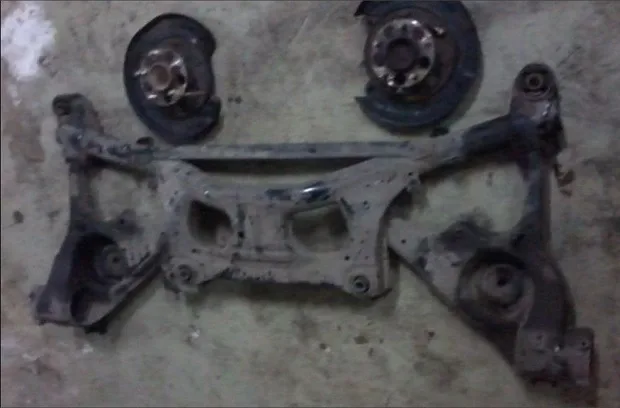
К задней подвеске претензий нет, она без проблем выхаживает больше 100 тыс. км. Тормозная система у Grandis надежная, а сами тормоза цепкие и предсказуемые. Передние тормозные колодки с дисками могут выхаживать более 100 тыс. км (зависит от стиля езды), задние еще больше - порядка 120 тыс. км. Бывают случаи, что деформируются передние тормозные диски, но их замена не всегда обязательна - проблема решается их проточкой.
Цены на запчасти и обслуживание
Запчасти на Mitsubishi Grandis недешевые, но проблем с наличием запчастей нет. Плановое ТО надо проходить каждые 15 тыс. км, но АвтоПортал рекомендует делать это каждые 10 тыс. км.
Цены на запчасти:
Ремень ГРМ – 400 грн.
Фильт масляный – 100 грн.
Диск сцепления – 1200 грн.
Амортизатор пер.(1 шт.) – 2600грн.(оригинал)
Фара (1 шт.) – 1600-2000 грн. (Б\у оригинал)
Бампер пер. – 1600грн.(Б\у)
Плюсы
| Минусы
|
Итог
Mitsubishi Grandis – отличный автомобиль для тех, кому нужна просторная и визуально современная машина. В плане дизайна Грандис получился очень удачным – даже после снятия с конвейера он не выглядит старым. Что касается надежности и стоимости обслуживания, Mitsubushi Grandis нельзя назвать бюджетным, но и дорогим он тоже не является. Единственный большой минус – большой расход топлива, хотя на рынке сегодня есть немало предложений по машинам с ГБО.
На вторичном рынки цены варьируются от $11 500 за ранние модели до $21 000 за модели последних годов выпуска. Падение стоимости у Grandis весьма сильное. Так, например, в 2005-2006 годах Грандис с автоматом стоил порядка $30 000. Сегодня же, спустя 7-8 лет, их продают в среднем за $13 тысяч. 3-5 летние экземпляры за срок эксплуатации упали в цене на 30-50 процентов (в зависимости от комплектации и состояния).