Каждый водитель со временем начинает задумываться о том, сколько горючего потребляет его автомобиль, и сравнивает реальные показатели с теми, что заявлены в документации. Как мы уже упоминали, паспортные цифры — понятие довольно условное. Когда же фактический расход начинает заметно расти, владелец машины ищет способы сократить топливные затраты и сберечь свой бюджет. О том, какие факторы провоцируют перерасход и как с ними бороться, пойдет речь в этом материале.
Разбираемся в причинах роста потребления топлива
Все причины, из-за которых автомобиль начинает тратить больше горючего, чем заявлено производителем или чем было привычно за время эксплуатации, можно разделить на две категории: технические и связанные с действиями водителя.
Технические причины — это неисправности различных узлов и механизмов, которые со временем изнашиваются, ломаются и перестают полноценно выполнять свои задачи.
Субъективные причины связаны с человеческим фактором: манера вождения, перегруз автомобиля, установка дополнительного оборудования и тому подобное.
Среди наиболее частых технических неисправностей, ведущих к повышенному расходу, можно выделить:
1. Неправильно выставленное зажигание. Даже если угол опережения смещен всего на один градус, потребление топлива может вырасти на 1%. Чем сильнее отклонение, тем заметнее перерасход.
2. Неправильные зазоры на свечах. Если расстояние между электродами свечей нарушено, они начинают работать с перебоями. В среднем это добавляет около 4% к расходу.
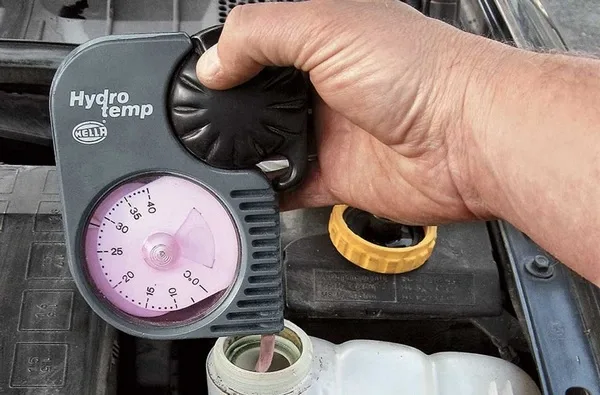
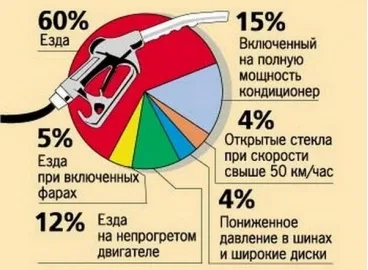
3. Недостаточная температура охлаждающей жидкости. Когда «охлаждайка» не прогревается до нужных значений, мотор тратит больше горючего на прогрев. Перерасход может достигать 10%.
4. Износ цилиндропоршневой группы. Когда детали этой системы выходят из строя (часто это случается при больших пробегах или использовании некачественного топлива), расход заметно увеличивается.
5. Износ кривошипно-шатунного механизма. Снижение компрессии из-за изношенных колец, поршней или цилиндров ведет к потере мощности. Чтобы компенсировать это, водителю приходится сильнее давить на газ, что увеличивает аппетит двигателя.
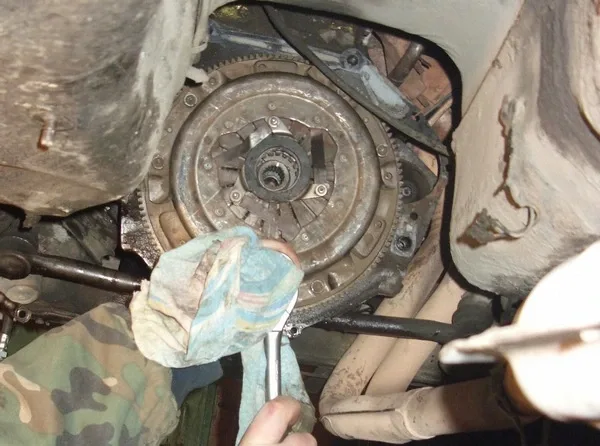
6. Проблемы со сцеплением. Если сцепление буксует, водитель вынужден чаще перегазовывать, что напрямую ведет к перерасходу.
7. Износ газораспределительного механизма. Нарушение зазоров клапанов, износ ремня или цепи, а также других элементов приводит к разгерметизации цилиндров. Давление падает, мотор теряет мощность и начинает потреблять больше топлива.
8. Нарушение углов развала-схождения. Неправильная геометрия колес провоцирует заносы, быстрый износ шин и ухудшение управляемости, что в итоге сказывается на экономичности.
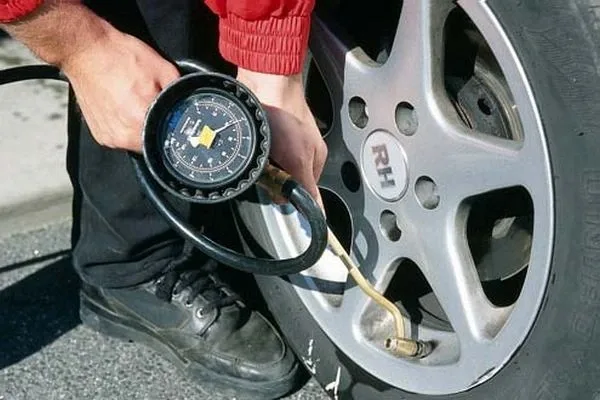
9. Недостаточное давление в шинах. Спущенные колеса увеличивают сопротивление качению. К примеру, если давление упало с 2 до 1,5 атмосфер, расход может вырасти на 3%. Причем даже если спущено всего одно колесо, это уже скажется на потреблении горючего.
10. Забитый воздушный фильтр. Если вовремя не заменить фильтр, например, при плановом обслуживании, он начнет препятствовать поступлению воздуха, необходимого для нормального сгорания смеси. Результат — рост расхода.
11. Неисправный термостат. Если термостат заклинило в открытом положении, двигатель, особенно зимой, не прогревается до рабочей температуры, что ведет к перерасходу.
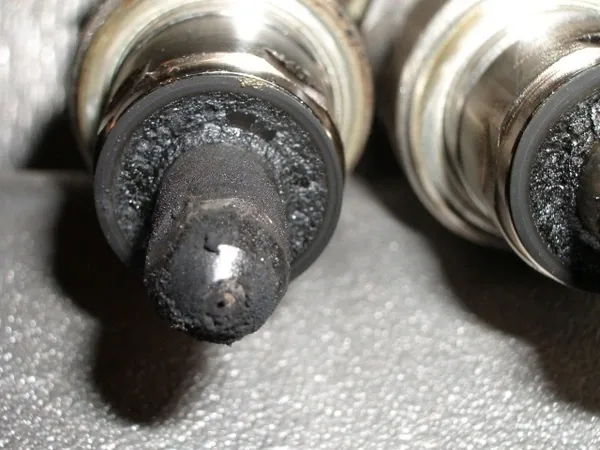
12. Грязные форсунки. Смолистые отложения на соплах, появляющиеся при использовании некачественного топлива, нарушают герметичность и распыление. Топливо сгорает неэффективно, что увеличивает его потребление.
13. Сбои в работе датчиков электроники. Если датчики положения дроссельной заслонки, расхода воздуха или кислородные датчики передают неверные данные, блок управления готовит неправильную смесь — слишком бедную или слишком богатую. Это приводит к потере мощности и перерасходу.
К субъективным причинам, влияющим на потребление топлива, относятся:
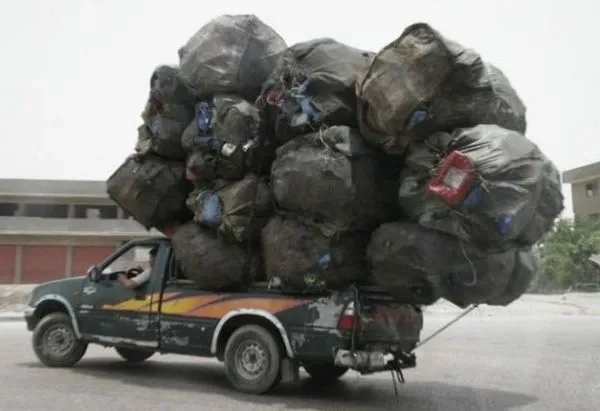
1. Перегруз автомобиля. Чем тяжелее машина, тем больше горючего она тратит. Каждые дополнительные 100 кг увеличивают расход на 10%. Загруженный багажник на крыше добавляет до 40%, а пустой — около 5%. Точные цифры зависят от конструкции багажника, его аэродинамики и скорости движения.
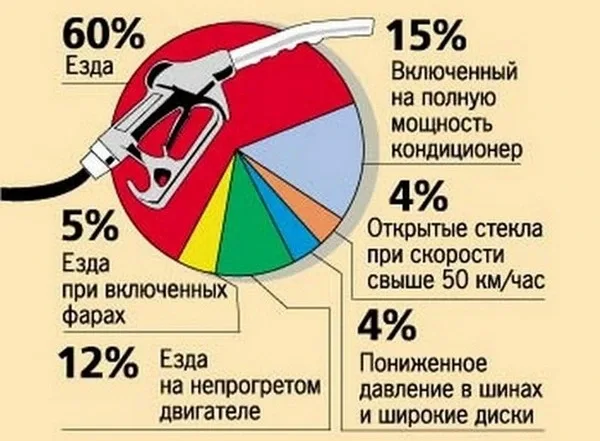
2. Открытые окна. При скорости выше 50 км/ч опущенные стекла ухудшают аэродинамику, из-за чего расход может вырасти в среднем на 4%.
3. Резкие ускорения и торможения. Агрессивная манера езды заставляет двигатель работать в напряженном режиме, что приводит к значительному перерасходу.
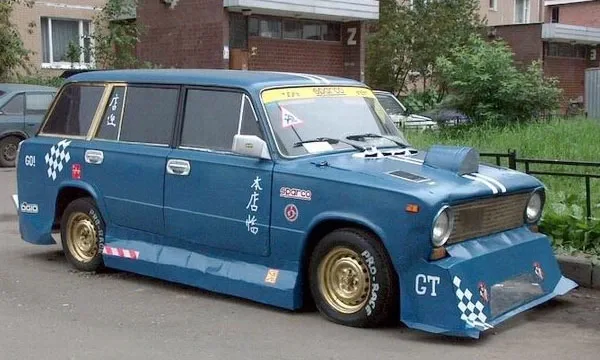
4. Дополнительный тюнинг. Установка обвесов, спойлеров и других элементов, не предусмотренных заводом, нарушает аэродинамику автомобиля и увеличивает его «аппетит».
5. Работа аудиосистемы и кондиционера. На питание этих систем тратится заметная доля топлива. Кондиционер, работающий на полную мощность, может увеличить расход на 15%, а постоянно включенная мультимедиа — на 7%.
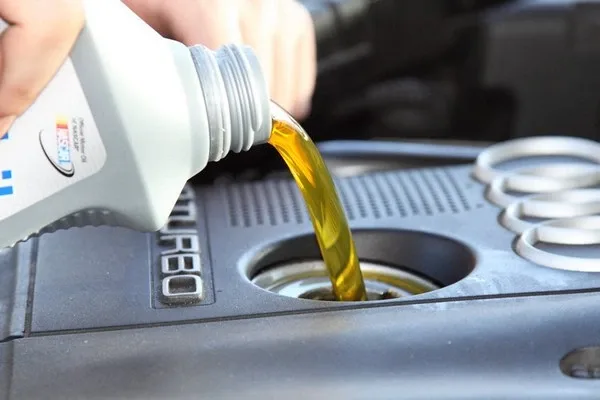
6. Неподходящие масла и жидкости. Производитель не случайно рекомендует определенную вязкость — она подобрана в ходе испытаний. Если залить, например, более вязкое масло, расход может увеличиться на 10-15%.
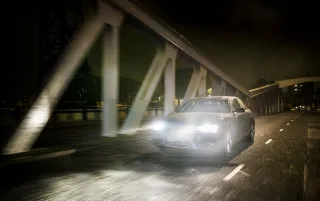
7. Работа фар. Ближний свет увеличивает потребление топлива примерно на 5%, дальний — на 10%.
Устраняем причины и приводим расход в норму
Разобравшись с основными причинами перерасхода, перейдем к способам их устранения. Начнем с технических проблем.
1. Для настройки зажигания лучше обратиться в сервис, где с помощью диагностического сканера и стробоскопа выставят правильные углы опережения.
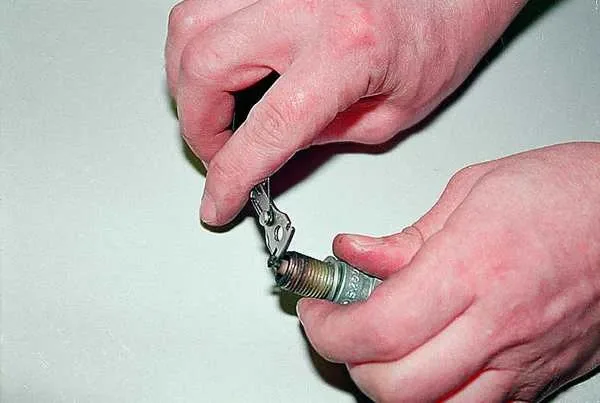
2. Зазоры на свечах можно отрегулировать самостоятельно, используя специальный инструмент с щупами. Сначала нужно замерить текущий зазор проволочным калибром, а затем при необходимости скорректировать. Если нужных инструментов нет — лучше обратиться на СТО.
3. Проблемы с температурой охлаждающей жидкости могут быть связаны с разгерметизацией системы. Нужно проверить ее на утечки и заменить изношенные элементы. Также возможно, что сама жидкость уже отслужила свой срок (обычно это около 3 лет или 60 тысяч километров) и требует замены.
4. Если изношены поршни, кольца или пальцы цилиндропоршневой группы, их нужно заменить новыми.
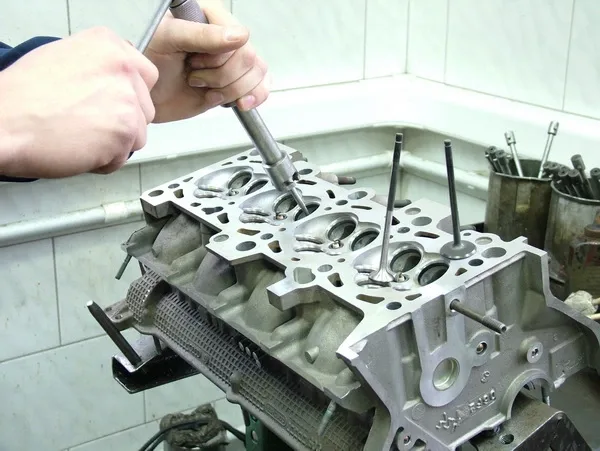
5. Изношенные детали кривошипно-шатунного механизма, такие как коренные и шатунные подшипники, также требуют замены.
6. Вышедшее из строя сцепление, как правило, не ремонтируется — его меняют целиком.
7. Перед ремонтом газораспределительного механизма необходимо провести диагностику, чтобы точно определить причину сбоя. Затем механизм разбирают и заменяют изношенные детали. Эту работу лучше доверить специалистам СТО.
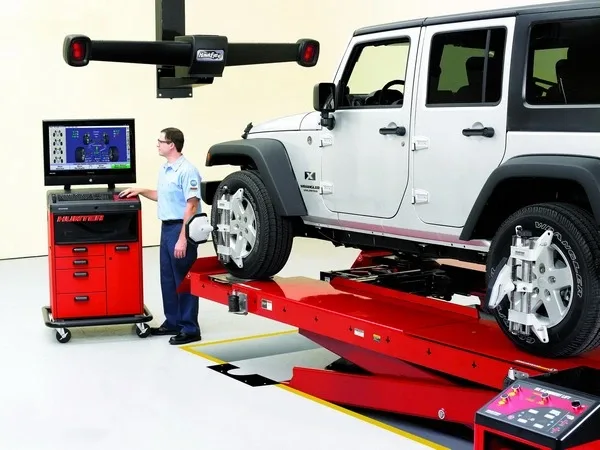
8. Регулировку развала-схождения нужно проводить на специализированном стенде в сервисе. Без специального оборудования сделать это правильно невозможно.
9. Давление в шинах нужно проверять регулярно, желательно при каждой заправке, и вовремя подкачивать колеса. Если шины изношены или неисправен золотник, их нужно заменить. Также стоит рассмотреть вариант установки покрышек с низким сопротивлением качению.
10. Воздушный фильтр лучше менять при каждой замене моторного масла. Срок его службы также зависит от условий эксплуатации: чем они тяжелее, тем чаще требуется замена.
11. При неисправности термостата его нужно снять (предварительно слив охлаждающую жидкость) и проверить работу клапана. Если он заклинивает, стоит попробовать очистить его от загрязнений. Если это не помогает — термостат придется заменить.
12. Загрязненные форсунки требуют раскоксовки. Это можно сделать с помощью специальных присадок к топливу или обратившись на СТО, где промывку выполняют специальными жидкостями под давлением.
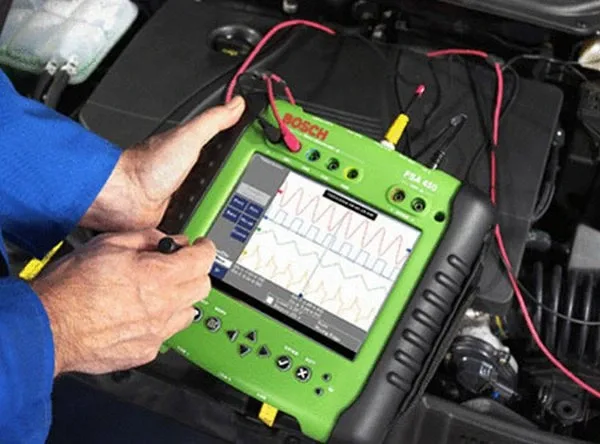
13. Диагностику датчиков электронной системы управления двигателем проводят с помощью компьютерного сканера. По результатам диагностики определяют неисправный датчик и ремонтируют или заменяют его.
С субъективными причинами справиться проще — достаточно придерживаться нескольких правил.
1. Не перегружайте автомобиль сверх допустимой массы. Если багажник на крыше используется редко, его лучше снять.
2. Не открывайте окна полностью — лучше оставлять небольшую щель для проветривания и только на короткое время.
3. Старайтесь ездить плавно, без резких стартов и торможений. Переключайте передачи вовремя, используйте накат и торможение двигателем.
4. По возможности откажитесь от установки обвесов, спойлеров и других элементов, ухудшающих аэродинамику.
5. Не злоупотребляйте работой мультимедийной системы. Кондиционер старайтесь не включать на полную мощность, особенно в городе. На трассе отбор мощности на компрессор менее заметен, но при обгонах климатическую установку лучше отключать.
6. Используйте масла и жидкости с вязкостью, рекомендованной производителем.
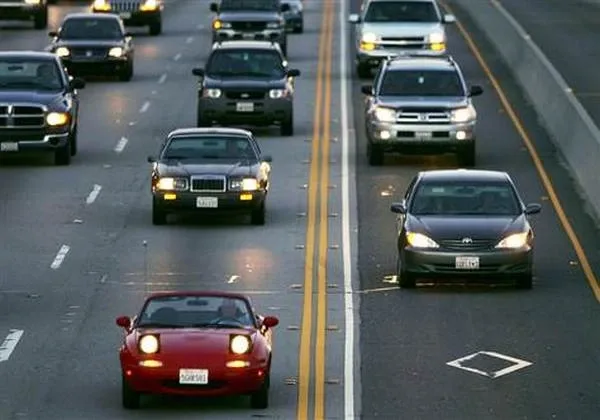
7. Дальний свет постоянно никто не использует, а вот ближний с октября по май будет обязателен согласно новым правилам. Избежать перерасхода в этом случае не получится, но можно установить светодиодные дневные ходовые огни, которые потребляют меньше энергии, чем обычные лампы.
Резюме
Как видно, на расход топлива влияет множество факторов — как технических, так и связанных с поведением водителя. Чтобы не наблюдать за тем, как быстро уходит горючее из бака, стоит регулярно проверять основные узлы автомобиля и соблюдать рекомендации по стилю вождения. Важно помнить: если одновременно действует несколько факторов, их влияние не суммируется напрямую. Например, при движении с открытыми окнами, включенным ближним светом, загрязненными форсунками и загруженным багажником расход не вырастет ровно на 60% — итоговая цифра будет зависеть от степени загрязнения форсунок, веса багажника, времени работы фар и других условий.
Стоит отметить, что этот материал носит информационный и рекомендательный характер, а все приведенные цифры являются усредненными.