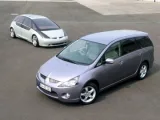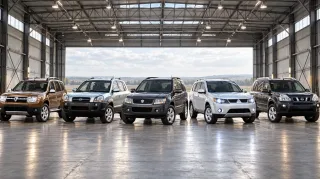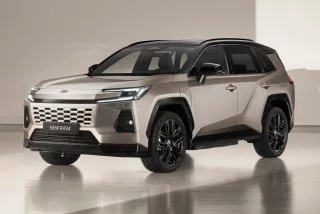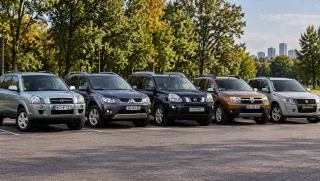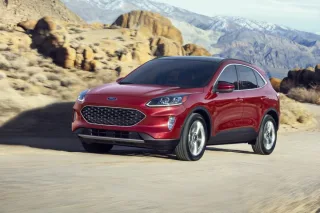
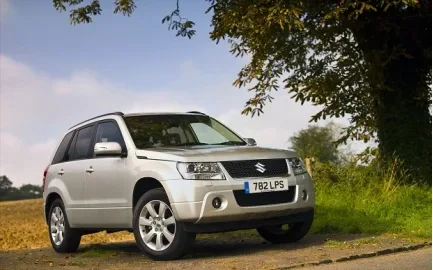
Этот сегмент демонстрирует один из самых активных темпов роста на украинском рынке, поэтому и перечень представленных моделей вышел довольно обширным. При этом выборка ограничивалась лишь японскими производителями. В наш обзор попали следующие автомобили: Suzuki Grand Vitara, Honda CR-V, Subaru Forester, Nissan X-Trail, Mitsubishi Outlander XL и Toyota RAV4.
Suzuki Grand Vitara
История
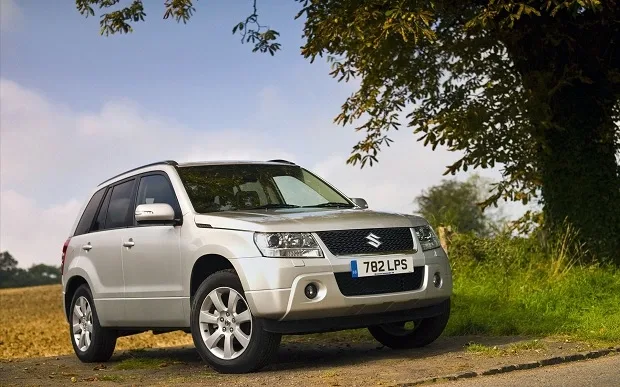
С конвейера Suzuki Grand Vitara начала сходить в 2005 году.
В 2008-м модель пережила плановое обновление внешности.
В 2010 году рестайлинг затронул и версии, предназначенные для экспорта.
Кузов
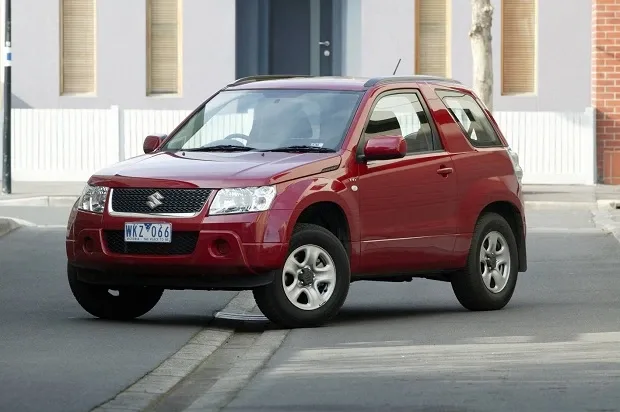
Grand Vitara можно было приобрести как в пятидверном, так и в трехдверном исполнении. Конструкция кузова — несущая, с интегрированной рамой. К устойчивости металла к коррозии особых нареканий нет, однако качество лакокрасочного покрытия вызывает вопросы. Например, уже после первой тысячи километров пробега владельцы замечали, что уплотнители на дверях стирают краску.
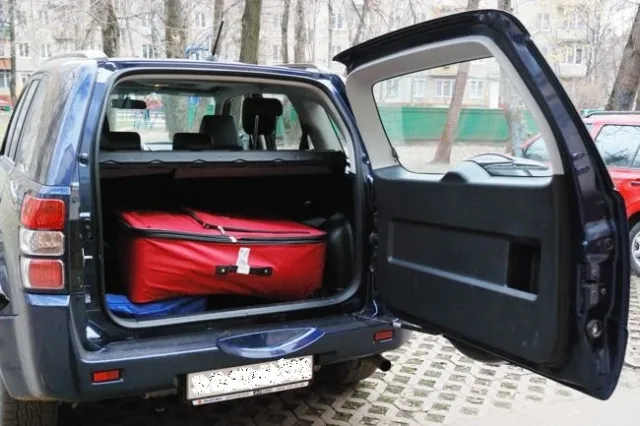
Неудобство доставляет и дверь багажника, которая распахивается в правую сторону — это мешает разгружать вещи, стоя на тротуаре.
Салон
Интерьер Suzuki Grand Vitara выглядит симпатично, но материалы отделки не отличаются высоким качеством.
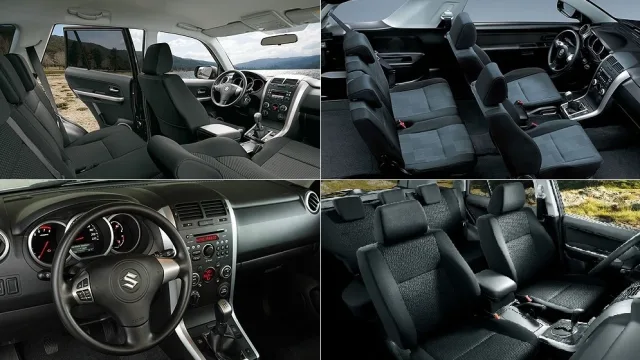
С течением времени в салоне начинают появляться посторонние скрипы — их источники находятся в районе дверных карт, вещевого ящика, заднего ряда сидений и полки багажника. Шумоизоляция также не является сильной стороной автомобиля: на высоких оборотах хорошо слышно работу мотора, а после разгона до 100 км/ч добавляются аэродинамические шумы.
Кресла не слишком удобны — в длительных поездках из-за отсутствия поддержки поясницы начинает уставать спина.
Двигатель
Наиболее часто под капотом встречаются бензиновые агрегаты объемом 2.0 литра (140 л.с.) и 2.4 литра (168 л.с.). Особой динамикой они не блещут, особенно в паре с автоматической коробкой передач. Существуют также моторы объемом 2.7 литра мощностью 185 л.с. и 3.2 литра на 232 силы, однако они являются редкостью.
Серьезных хронических недугов у двигателей не выявлено, но о моторе 2.0 встречаются негативные отзывы — он склонен к расходу масла и частому засорению катализатора. Кроме того, его аппетит практически не уступает агрегату 2.4.
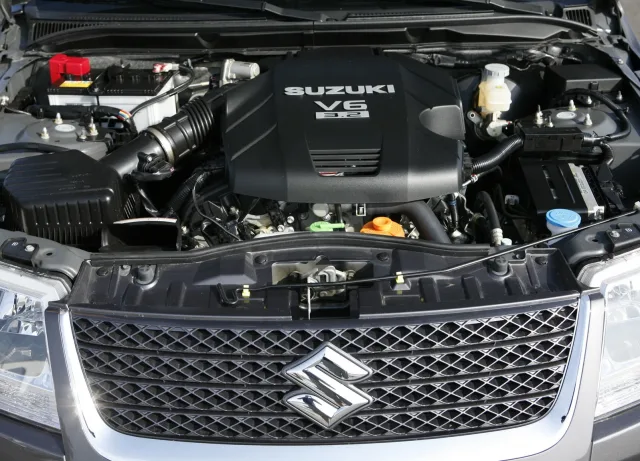
Моторы Suzuki Grand Vitara довольно требовательны к топливу — даже с самым маломощным из них добиться расхода ниже 10 литров на сотню крайне сложно. В городском цикле бортовой компьютер запросто может отображать 15 литров. Наибольший аппетит у двигателя 3.2 — в городе он потребляет до 17 литров на 100 км.
Существовал и дизельный вариант объемом 1.9 DDiS, но на украинский рынок такие машины официально не поставлялись.
Трансмиссия
Grand Vitara укомплектована системой полного привода с возможностью блокировки дифференциала и наличием понижающего ряда. Внедорожные способности автомобиля находятся на хорошем уровне.
К автоматическим коробкам, которых было две разновидности (на 4 и 5 ступеней), существенных претензий нет. А вот механическая трансмиссия на экземплярах, выпущенных до 2007 года, отличалась повышенным шумом при включении первой и второй передач.
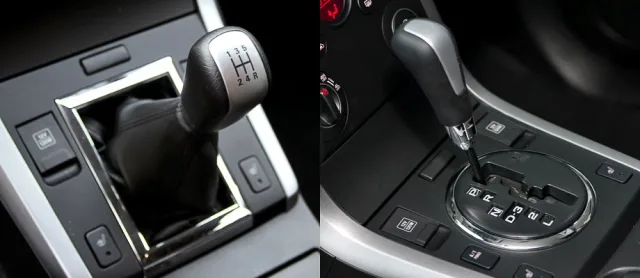
Если неправильно эксплуатировать трансмиссию — к примеру, двигаться по асфальту с включенной блокировкой дифференциала — то есть риск появления течи сальников хвостовиков редукторов.
Ходовая часть
Подвеска у Grand Vitara достаточно упругая, что не лучшим образом сказывается на плавности хода. Спереди применяются стойки McPherson, сзади — многорычажная конструкция.
Ходовая часть отличается завидной живучестью: задние рычаги способны прослужить более 200 тысяч километров, столько же выхаживают передние шаровые опоры и сайлент-блоки, а задние — около 100 тысяч. Быстрее всего могут напомнить о себе сайлент-блоки развальных рычагов, у которых к 100 тысячам километров нередко закисают эксцентриковые болты. Чтобы избежать такой неприятности, рекомендуется проводить регулировку развала задних колес не реже, чем каждые 30 тысяч километров.
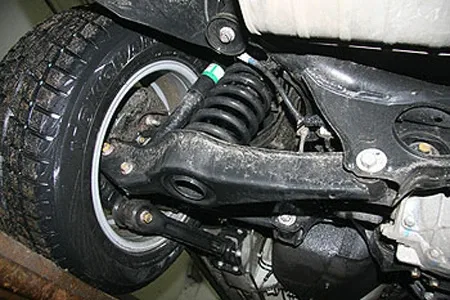
Спереди на Grand Vitara установлены дисковые тормоза. Сзади же используются «барабаны», которые со временем начинают издавать скрип. Для устранения посторонних звуков их нужно регулярно обслуживать и чистить.
Плюсы
| Минусы
|
Honda CR-V
История:
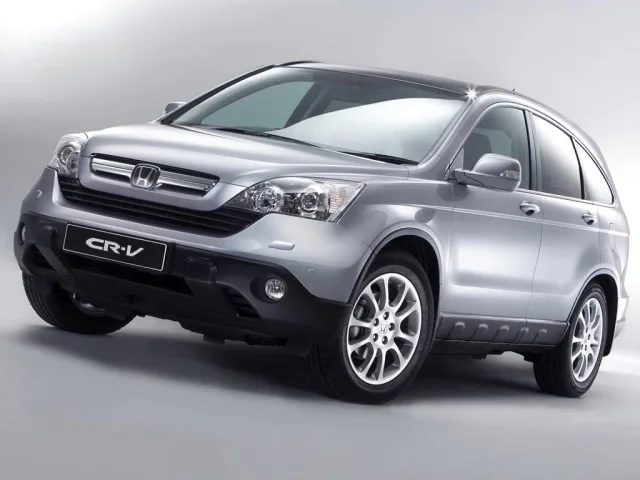
2006 год: дебют третьего поколения Honda CR-V состоялся на автосалоне в Париже.
2010 год: модель подверглась рестайлингу.
2012 год: на конвейер встает уже четвертое поколение.
Кузов
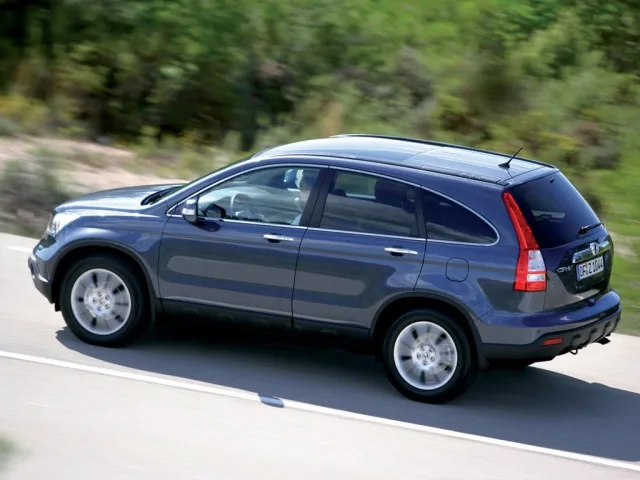
Honda CR-V третьего поколения выделяется своим выразительным и стремительным дизайном. Внешность автомобиля не намекает на принадлежность к внедорожникам. И это справедливо: с дорожным просветом в 185 мм он лучше приспособлен для асфальта, чем для бездорожья.
Часть владельцев отмечает недостаточную жесткость кузова — это ощущается при преодолении неровностей или при заезде на бордюры. А вот к коррозионной стойкости претензий практически нет.
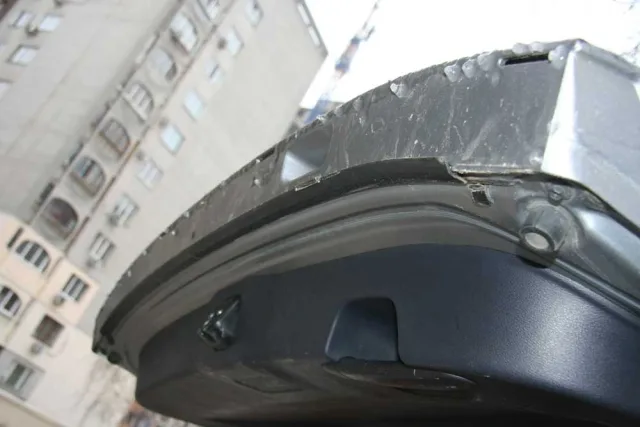
К минусам, точнее к «детским болезням», можно отнести отсутствие на ряде комплектаций водоотводной резинки на кромке двери багажника. Из-за этого при открытии багажника в дождливую погоду вода попадает прямо в салон.
Салон
Главным преимуществом CR-V, которого нет у соперников, является абсолютно ровный пол. Интерьер просторный, водитель сидит высоко, а обзорность отличная. Качество материалов отделки находится на среднем уровне. Многие владельцы жалуются на появление скрипов, особенно при движении по неровной дороге.
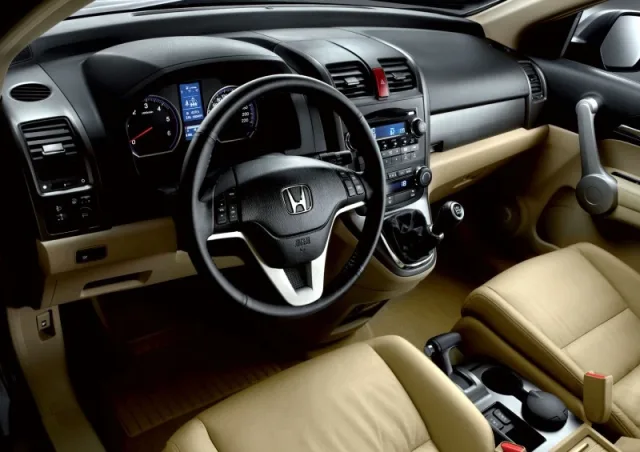
Салон имеет множество вариантов трансформации. Задний ряд сидений можно сдвигать вперед-назад на 15 сантиметров, спинка регулируется по наклону, а сами сиденья складываются в пропорции 40:20:40.
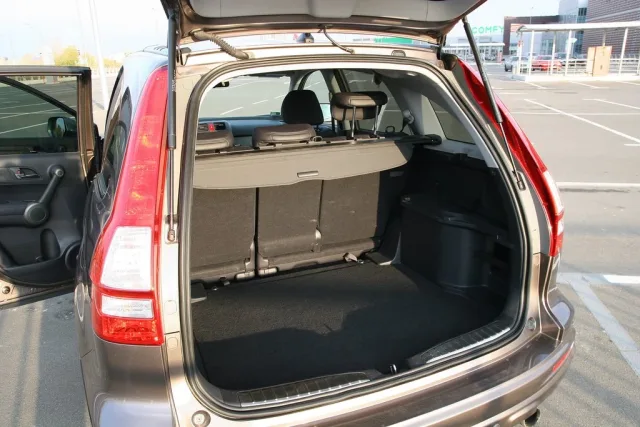
Шумоизоляция среднего уровня. В походном положении багажник — один из самых скромных в классе, его объем составляет 442 литра.
Иногда встречается отказ муфты кондиционера, что приводит к неработоспособности всей системы климат-контроля.
Двигатель
Для CR-V третьего поколения предлагалось три силовых агрегата — два бензиновых (объемом 2.0 и 2.4 литра) и один дизельный объемом 2.2 литра.
Бензиновые моторы встречаются чаще всего. Серьезных нареканий они не вызывают. У двухлитрового двигателя нередко выходит из строя демпфер натяжного ролика навесного оборудования, что проявляется дребезжащим звуком под нагрузкой. У мотора 2.4 возможна течь переднего сальника коленвала.
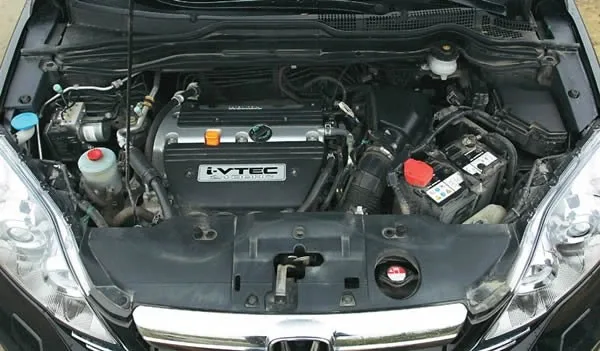
В приводе ГРМ бензиновых двигателей используется цепь. Если не контролировать уровень масла, цепь может растянуться уже к 150 тысячам километров пробега. Тепловые зазоры клапанов рекомендуется регулировать каждые 45 тысяч километров, а при использовании газобаллонного оборудования — каждые 15 тысяч.
Расход топлива вполне приемлемый: двигатель 2.4 в городе тратит примерно 13–14 литров на 100 км, а двухлитровый — 11–12 литров.
Дизельные модификации — большая редкость. Претензий к ним практически нет, разве что со временем, особенно при использовании отечественного топлива, забивается сажевый фильтр, что негативно сказывается на динамике.
Трансмиссия
Трансмиссия Honda CR-V построена по схеме подключаемого полного привода. Блокировку дифференциала имитирует электроника, которая подтормаживает буксующие колеса. По некоторым данным, существовали и моноприводные версии, но в Украине такие автомобили встречаются крайне редко. Коробки передач — двух типов: 5-ступенчатый «автомат» или 6-ступенчатая «механика» (последняя ставилась на версии 2.0 и 2.2).
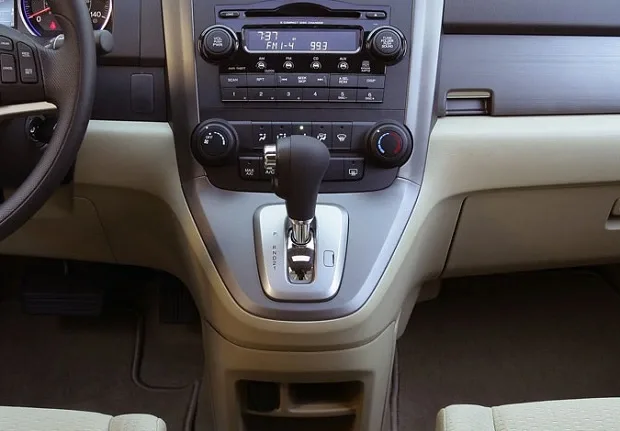
Проблем с коробками передач при должном уходе не возникает. Масло в «механике» требуется менять каждые 60 тысяч километров, в «автомате» — через 45 тысяч. При каждой второй замене нужно обновлять и масляный фильтр. Масло в заднем мосту подлежит замене каждые 75 тысяч километров.
Ходовая часть
Подвеска CR-V полностью независимая: спереди McPherson, сзади — двухрычажная. Управляемость близка к легковой, ход подвески жестковат, но серьезного дискомфорта не вызывает.
Ходовая часть довольно живучая. Втулки передних стабилизаторов служат около 60 тысяч километров, задние — 80 тысяч. Стойки стабилизаторов выхаживают 100–120 тысяч километров. Передние и задние сайлент-блоки — до 200 тысяч километров.
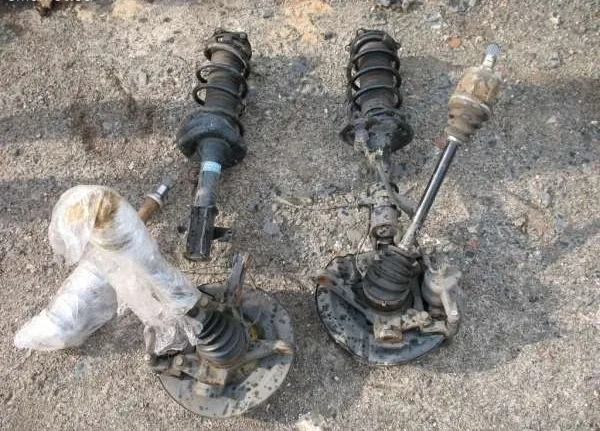
К недостаткам можно отнести задние пружины, которые со временем проседают. Тормоза эффективные, но их ресурс невелик: при активной езде передние колодки и диски изнашиваются уже к 30 тысячам километров, задние — к 45 тысячам.
Плюсы
| Минусы
|
Subaru Forester
История
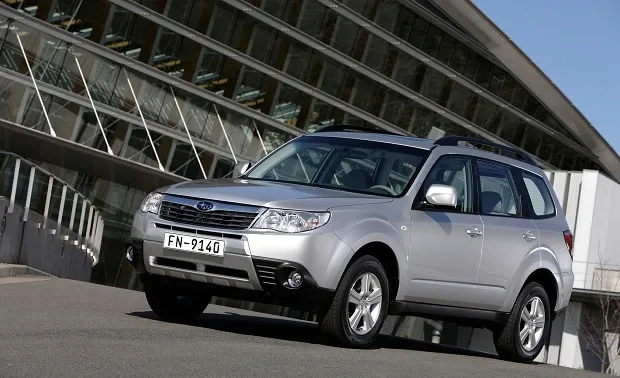
В 2007-м состоялась премьера «третьего» Subaru Forester. Спустя три года модель подверглась обновлению, а в 2013-м её сменило новое поколение.
Кузов
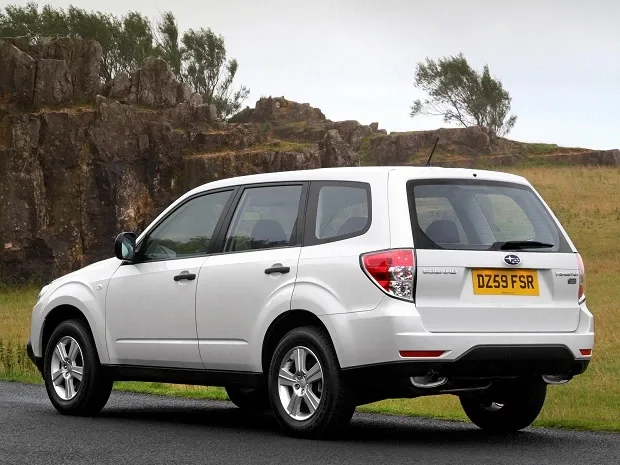
Forester третьего поколения — пятидверный универсал, который внешне скорее похож на универсал повышенной проходимости, нежели на полноценный внедорожник. От предшественника автомобиль унаследовал отказ от безрамочных боковых стекол — фирменной особенности Subaru.
Владельцы нередко сетуют на недостаточную жёсткость кузова: при движении по неровной дороге в салоне появляется дребезжание.
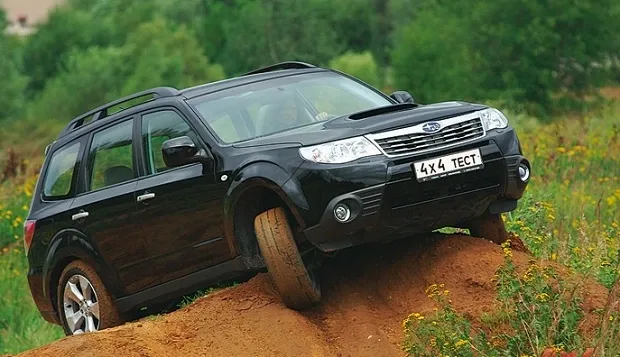
Благодаря фирменному полному приводу, коротким свесам и дорожному просвету 225 мм машина уверенно чувствует себя на грунтовках и лёгком бездорожье. К устойчивости кузова к коррозии у владельцев нареканий нет.
Салон
Внутри Forester довольно свободно. Водитель сидит высоко, кресло регулируется в широких пределах. Обзорность хорошая — этому способствуют крупные наружные зеркала и тонкие передние стойки. Оформление интерьера простоватое, отделочные материалы недорогие. Приборы читаются неважно: шкалы мелкие, а синяя подсветка ухудшает восприятие информации.
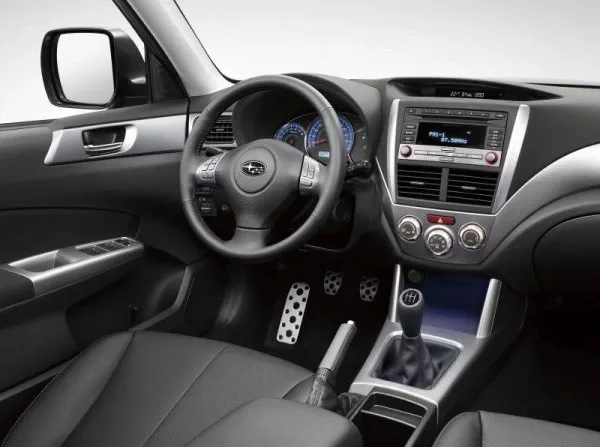
Багажник в штатном состоянии вмещает 450 литров, а со сложенным задним рядом — 1590 литров.
Двигатель
Среди одноклассников Forester — один из самых быстрых, особенно в версии с турбомотором 2.5Т. Гамма силовых агрегатов широкая: четыре бензиновых мотора мощностью от 150 до 263 лошадиных сил. Был в линейке и дизель объёмом 2.0 литра (147 л. с.), но такие машины в нашей стране — большая редкость. Все двигатели — оппозитные.
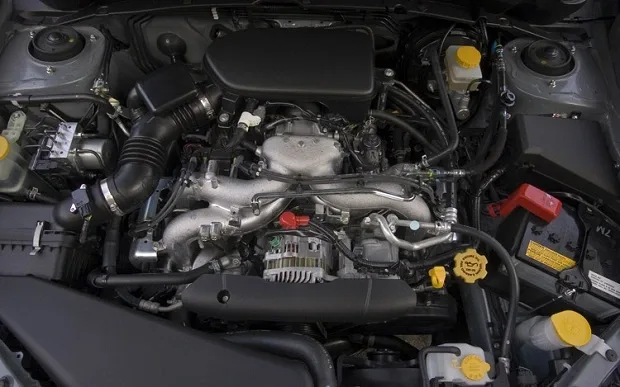
Атмосферный мотор 2.5 в паре с автоматом в городском цикле потребляет около 13–14 литров на сотню, версия с двигателем 2.0 — 11.5–12 литров.
К самим двигателям особых претензий нет, хотя у турбомоторов 2.5Т иногда возникают проблемы с турбиной.
Масло рекомендуют менять каждые 10 тысяч километров, используя только регламентные сорта.
Запчасти и обслуживание стоят немало.
Трансмиссия
Forester оснащается постоянным полным приводом с распределением момента между осями 50:50. Механическая коробка имеет понижающий ряд и блокировку межосевого дифференциала (вискомуфта). В автоматической трансмиссии эту функцию выполняет многодисковая гидравлическая муфта с электронным управлением.
Механику ставили двух типов — 5- и 6-ступенчатую, и за время эксплуатации она не вызывала нареканий. А вот автомат предлагался устаревший — 4-ступенчатый. К его недостаткам относят задержки при переключениях и повышенный расход топлива.
Ходовая часть
Подвеска Forester полностью независимая. Автомобиль отличается внятной управляемостью (хотя в поворотах заметно кренится) и вместе с тем неплохим комфортом — он хорошо переваривает ямы и мелкие дефекты покрытия.
Элементы подвески живут долго: передние втулки стабилизатора выхаживают около 35 тысяч километров, задние — 40 тысяч. Передние сайлент-блоки способны продержаться 130–150 тысяч километров.
К тормозам претензий нет, однако при активном торможении они могут перегреваться, из-за чего эффективность снижается.
Плюсы
| Минусы
|
Nissan X-Trail
История:
2007 год: на Женевском автосалоне показали Nissan X-Trail второго поколения
2009 год: стартовала сборка X-Trail на заводе в Санкт-Петербурге
2010 год: модель пережила рестайлинг
Кузов
Второе поколение X-Trail внешне мало отличается от первого: те же угловатые формы. Среди конкурентов он выглядит наиболее «внедорожно» — именно этого и добивались создатели.
Стойкость к коррозии в целом неплохая, но на крышке багажника вокруг хромированной накладки (у дорестайлинговых машин) может появиться ржавчина. На обновлённых версиях иногда встречаются очаги коррозии по периметру крышки багажного отсека.
Дорожный просвет — 210 мм.
Салон
Внутри автомобиль довольно просторен, хотя на втором ряду места не слишком много. Кресла мягкие и удобные, но боковая поддержка выражена слабо. Спинка заднего дивана регулируется в пяти положениях.
С практичностью у салона полный порядок: множество карманов, отсеков, подстаканников и ниш. Багажник сравнительно скромный (479 литров), однако под полом спрятаны выдвижные ящики ещё на 124 литра.
Шумоизоляция средняя: основные источники шума — колёсные арки. На заднем ряду в движении по трассе также слышны колёса.
Из минусов — неудобная посадка и высадка на задний ряд из-за узкого проёма двери в нижней части. Также бывают сбои привода замков дверных ручек (тросик соскакивает с крепления).
Двигатель
На X-Trail ставили четыре мотора: два бензиновых (2.0 на 141 л. с. и 2.5 на 169 л. с.) и два дизельных (2.0 dCi мощностью 150 и 173 л. с.).
Бензиновые агрегаты надёжны и претензий не вызывают. После 100 тысяч километров возможна потеря герметичности прокладкой клапанной крышки, а загрязнение дроссельной заслонки приводит к нестабильным оборотам холостого хода. В приводе ГРМ используется цепь — её ресурс очень велик.
Расход топлива у моторов умеренный, хотя 2.0 с вариатором в городе потребляет почти столько же, сколько и 2.5 — около 12–13 литров на сотню. Впрочем, владельцы говорят, что при спокойной езде можно уложиться и в 11 литров.
Имеются сведения, что моторы X-Trail плохо переносят работу на сжиженном газе — вплоть до прогорания клапанов. Дизели же зарекомендовали себя хорошо.
Трансмиссия
Автомобиль укомплектован полноприводной трансмиссией с электронно-управляемой муфтой, у которой три режима: 2WD (передний привод), Auto (автоматический) и Lock (блокировка муфты — для сложных участков). Полный привод и солидный клиренс обеспечивают машине неплохие внедорожные способности.
Коробки предлагались трёх типов — механика, автомат и вариатор. Чаще всего встречается вариатор. Все трансмиссии надёжны и работают без нареканий.
Ходовая часть
Подвеска независимая: спереди — McPherson, сзади — многорычажная. Ходовая комфортная и энергоёмкая, отлично проглатывает неровности. Но есть и обратная сторона: на волнах автомобиль раскачивается, а в быстрых поворотах ощутимо кренится.
Элементы подвески долговечны: задняя выхаживает около 250 тысяч километров. С передней ситуация скромнее: сайлент-блоки рычагов и подрамника служат 60–80 тысяч, опорные подшипники передних стоек — 45–50 тысяч, втулки стабилизатора — 30 тысяч спереди и 50 тысяч сзади.
Плюсы
| Минусы
|
Mitsubishi Outlander XL
История:
2007 год: дебют Mitsubishi Outlander XL
2007 год (август): в гамму моторов добавился дизель 2.0 л
2010 год: модель обновили
2012 год: Outlander XL уступает место новому поколению
Кузов
Экстерьер Outlander XL выглядит стильно: агрессивная оптика и раздутые колёсные арки придают ему динамичный вид.
К коррозионной стойкости кузова претензий нет. Отличительная черта — двухсекционная крышка багажника: верхняя часть поднимается, нижняя откидывается. Это упрощает погрузку и выгрузку вещей. К тому же на нижнюю створку можно присесть — например, на рыбалке или при надевании лыж; тросы выдерживают до 300 кг.
Среди недостатков — жалобы владельцев на запотевание задних фонарей.
Дорожный просвет — 215 мм.
Салон
Интерьер выдержан в спортивном ключе, как и внешность. Но качество материалов невысокое: пластик жёсткий и со временем может начать скрипеть.
Места в салоне достаточно, посадка и высадка удобные. Задний диван сдвигается вперёд-назад, спинка регулируется по наклону.
Шумоизоляция слабовата — отчётливо слышны арки колёс. Зато багажник — самый вместительный в сравнении: 774 литра.
Ещё один минус — штатная магнитола: владельцы жалуются, что без видимых причин отказывают левые динамики.
Двигатель
На Outlander XL ставились бензиновые и дизельные моторы. В Украину официально везли только бензиновые версии с системой MIVEC: 2.0 на 147 л. с., 2.4 на 170 л. с. и 3.0 на 220 л. с.
Агрегат объёмом 3.0 придаёт машине уверенную динамику, однако он чувствителен к качеству горючего и отличается заметным расходом — в городе он достигает 14-15 л на сотню. Двигатель на 2.4 чаще называют оптимальным выбором: он сочетает приличную тягу с умеренным потреблением топлива (11-12 л на 100 км). Среди его слабых мест — возможные подтёки переднего сальника коленвала.
Как отмечают мастера, бензиновые моторы не рассчитаны на работу на газовом топливе.
Трансмиссия
Автомобиль доступен как с полным, так и с передним приводом — вариант с двигателем 2.0 и механической коробкой. В полноприводной системе предусмотрено три режима: 2WD (только передние колёса), Auto (автоматическое подключение задней оси через электромагнитную муфту) и Lock (принудительная блокировка муфты).
Коробки передач представлены тремя типами: механикой, автоматом и вариатором.
Все они считаются надёжными и редко доставляют хлопоты. Единственный нюанс — в вариаторе при долгой поездке или интенсивной езде по бездорожью может перегреться масло, о чём сообщит индикатор на приборной панели. В такой ситуации стоит остановиться и дать смазке остыть.
Масло в автоматической и механической коробках рекомендовано менять каждые 40 тысяч километров, а в вариаторе — с интервалом в 80 тысяч.
Ходовая часть
Подвеска Mitsubishi Outlander XL — полностью независимая: спереди стойки McPherson, сзади — многорычажная конструкция. Ходовая короткоходная и слегка жёсткая: небольшие неровности она отрабатывает без проблем, но на крупных ямах возможны пробои. Управляемость на высоте — крены кузова в поворотах минимальны.
По ресурсу подвеска достаточно крепкая: сайлент-блоки передних рычагов выхаживают 120-140 тыс. км, задние — около 100 тыс. км. Амортизаторы служат в среднем 100-120 тыс. км, причём передние изнашиваются быстрее. Рулевые наконечники держатся примерно 60 тыс. км. После 100 тыс. км нередко появляется запотевание в местах соединения шлангов ГУР.
Плюсы
| Минусы
|
История:
2006 год: начало выпуска RAV4 третьего поколения
Конец 2006 года: стартовало производство удлинённой версии для американского рынка
2008 год: модель подверглась рестайлингу
2010 год: в гамму добавлена версия с бесступенчатым вариатором
Кузов
Toyota RAV4 предлагалась только с пятью дверями и двумя вариантами колёсной базы — 2560 мм для Европы и 2660 мм для США. Кузов отличается неплохой жёсткостью. На бездорожье и в скоростных поворотах крены незначительные. Минус — бамперы, окрашенные в цвет кузова: их легко поцарапать при поездках по лесным или просёлочным дорогам. Также стоит упомянуть дверь багажника с закреплённой на ней запаской: из-за немалого веса петли со временем проседают, и дверца начинает закрываться хуже. К тому же, как и у Grand Vitara, она открывается в правую сторону.
К коррозионной стойкости претензий нет.
Салон
Внутри RAV4 достаточно просторно — на заднем ряду спокойно разместятся трое пассажиров средней комплекции. Эргономика удачная, всё под рукой, разве что до кнопки аварийной сигнализации приходится тянуться.
Шумоизоляция достойная, обзорность хорошая. А вот пластик отделки среднего качества и со временем может начать поскрипывать. Кресла удобные, с хорошей поддержкой поясницы, посадка и высадка не вызывают неудобств. Задний диван сдвигается вперёд-назад на 165 мм, а спинка регулируется по наклону.
Багажник объёмом 500 литров, в версии Long — 540 литров.
Двигатель
Моторная гамма RAV4 включает четыре бензиновых агрегата: 2.0 (152/158 л. с.), 2.4 (170 л. с.), 3.5 (269 л. с.), а также два дизеля 2.2D-4D (136/177 л. с.).
Наиболее часто встречающиеся у нас моторы — 2.0 и 2.4. Они надёжны и неприхотливы. Из-за качества местного топлива форсунки приходится чистить каждые 50 тыс. км — при их загрязнении начинает плавать холостой ход. Раз в два года нужно промывать радиатор: забитый радиатор увеличивает нагрузку на компрессор кондиционера и ухудшает охлаждение двигателя. Особенно это касается мотора 2.4, который чувствителен к перегреву. Двигатель 3.5 ставили только на машины для американского рынка. Мастера на СТО отмечают случаи забивания масляных каналов при нарушении регламента замены масла. У всех бензиновых моторов цепной привод ГРМ.
Расход топлива умеренный: двигатель 2.4 в городских условиях тратит 13-14 л на сотню, мотор 2.0 — примерно 10.5-12 л.
Дизельные версии у нас большая редкость. Запчасти и обслуживание обходятся недешёво.
Трансмиссия
RAV4 оснащается подключаемым полным приводом. На асфальте машина переднеприводная, но при пробуксовке одного из колёс задняя ось подключается через электромагнитную муфту. Предусмотрена и блокировка межосевого дифференциала. При длительных пробуксовках дифференциал быстро перегревается, поэтому на бездорожье лучше сразу включать блокировку.
Трансмиссий три — механика, автомат и вариатор (последний заменил АКПП в 2010 году). Масло и фильтр в автомате нужно менять каждые 40 тыс. км — игнорирование этого правила грозит серьёзными поломками. У АКПП и МКПП возможны подтекания сальников полуосей и сальника хвостовика раздаточной коробки.
Ходовая часть
Подвеска Toyota RAV4 независимая: спереди McPherson, сзади — многорычажная. Управляется автомобиль как обычная легковушка — заслуга плотной подвески и системы активного управления IADS.
Ресурс ходовой впечатляет: втулки стабилизаторов служат около 50 тыс. км, передние сайлент-блоки — примерно 150 тыс. км, передние амортизаторы — 100 тыс. км, задние — около 150 тыс. км. Рулевые тяги выхаживают 100 тыс. км, наконечники — около 150 тыс. км. В тормозной системе каждые 30-40 тыс. км рекомендуется проводить профилактику задних суппортов — смазывать направляющие.
Плюсы
| Минусы
|
Характеристики
| Mitsubishi Outlander XL | Suzuki Grand Vitara | Honda CR-V | Subaru Forester | Nissan X-Trail | Toyota RAV4 | |
|---|---|---|---|---|---|---|
| Тип кузова | универсал 5-дверный | универсал 3 и 5-дверный | универсал 5-дверный | универсал 5-дверный | универсал 5-дверный | универсал 5-дверный |
| Габариты, мм Длина Ширина Высота | 4640 1800 1720 | 4500(4035) 1810 1695 | 4530 1820 1675 | 4560 1780 1700 | 4630 1785 1770 | 4395(4600) 1815 1720 |
| База, мм | 2670 | 2640(2440) | 2620 | 2615 | 2630 | 2560(2660) |
| Дорожный просвет, мм | 215 | 200 | 185 | 220 | 200 | 195 |
| Масса, кг снаряженная полная | 1650 2175 | 1670(1380) 2100(1830) | 1648 2080 | 1515 2015 | 1650 2175 | 1505(1530) 2070(2110) |
| Объем багажника, л | 774/1691 | 400/1385 (184) | 442-556/955 | 450/1190 | 479/1649 (603/1773) | 500/1469 (540/1750) |
| Объем бака, л | 60 | 66(55) | 58 | 60 | 65 | 60 |
| Тип привода | подключаем. полный | подключаем. полный | подключаем. полный | постоянный полный | подключаем. полный | подключаем. полный |
| КПП | 5-ступ.МКП 6-ступ АКП вариатор | 4-ступ. АКП 5-ступ. МКП | 5-ступ. АКП 6-ступ. МКП | 4-ступ. АКП 5-ступ. МКП | 6-ступ.МКП 6-ступ АКП вариатор | 5-ступ.МКП 4/5-ступ АКП вариатор |
| Тормоза передние | диск. вент. | диск. вент. | диск. вент. | диск. вент. | диск. вент. | диск. вент. |
| Тормоза задние | диск. | диск./бараб. | диск. | диск. | диск. | диск. |
| Подвеска передняя задняя | независим. независим. | независим. независим. | независим. независим. | независим. независим. | независим. независим. | независим. независим. |
| Двигатели бензиновые | 2.0 147 л.с 2.4 170 л.с 3.0 220 л.с | 1.6 106 л.с 2.0 140 л.с 2.4 169 л.с 2.7 188 л.с |
Двигатели кроссоверов
В этом разделе представлены бензиновые и дизельные силовые агрегаты, которые устанавливались на популярные в Украине внедорожники.
Бензиновые моторы
- Mitsubishi Outlander XL: 2.0 (150 л.с.), 2.4 (170 л.с.), 3.0 (230 л.с.) — для версии с V6.
- Suzuki Grand Vitara: 2.0 (140 л.с.), 2.4 (166 л.с.).
- Honda CR-V: 2.0 (150 л.с.), 2.5 (172 л.с.), а также 2.5 с отдачей 230 или 263 л.с.
- Subaru Forester: 2.0 (141 л.с.), 2.5 (169 л.с.).
- Nissan X-Trail: 2.0 (152/158 л.с.), 2.4 (170 л.с.), 3.5 (269 л.с.).
Дизельные моторы
- Mitsubishi Outlander XL: 2.0 (140 л.с.).
- Suzuki Grand Vitara: 1.9 (129 л.с.).
- Honda CR-V: 2.2 (140/150 л.с.).
- Subaru Forester: 2.0 (147 л.с.).
- Nissan X-Trail: 2.0 (150/173 л.с.).
- Toyota RAV4: 2.2 (136/177 л.с.).
Стоимость запчастей
Ниже приведены средние цены на основные расходные элементы и детали подвески для каждого из рассматриваемых автомобилей.
| Запчасти | Mitsubishi Outlander XL | Suzuki Grand Vitara | Honda CR-V | Subaru Forester | Nissan X-Trail | Toyota RAV4 |
|---|---|---|---|---|---|---|
| Тормозные колодки передние / задние |
700 грн. / 500 грн. | 300 грн. / 240 грн. | 460 грн. / 490 грн. | 460 грн. / 300 грн. | 400 грн. / 300 грн. | 400 грн. / 320 грн. |
| Тормозные диски передние / задние |
1150 грн. / 850 грн. | 850 грн. | 1150 грн. / 750 грн. | 1100 грн. / 900 грн. | 850 грн. / 820 грн. | 1160 грн. / 1080 грн. |
| Фильтр воздушный / масляный |
130 грн. / 51 грн. | 60 грн. / 50 грн. | 80 грн. / 65 грн. | 50 грн. / 45 грн. | 65 грн. / 60 грн. | 120 грн. / 65 грн. |
| Амортизатор передний / задний |
700 грн. / 600 грн. | 900 грн. / 500 грн. | 1100 грн. / 700 грн. | 950 грн. / 770 грн. | 1000 грн. / 600 грн. | 750 грн. / 500 грн. |
Итог
Все перечисленные кроссоверы в большинстве случаев без серьезных поломок доживают до пробега в 100 тысяч километров. После этого рубежа возможны различные неприятности. Тем не менее, эти автомобили считаются достаточно надежными и хорошо адаптированными к условиям эксплуатации в Украине. Актуальные цены на подержанные машины можно посмотреть в разделе Б/У авто. Примерная динамика падения цены и склонность к удешевлению отражены в таблице:
| Модель | Цена нового авто в минимальной комплектации в 2009 году |
Мин. цена авто с пробегом в 2013 году |
Потеря в цене, % |
|---|---|---|---|
| Honda CR-V 2.4 | ~ 35 тыс. у.е. | ~ 23 тыс. у.е. | 34,20% |
| Nissan X-Trail 2.5 | ~ 33,5 тыс. у.е. | ~ 23 тыс. у.е. | 31,30% |
| Subaru Forester 2.5 | ~ 31,5 тыс. у.е. | ~ 22,5 тыс. у.е. | 28,50% |
| Suzuki Grand Vitara 2.4 | ~ 26 тыс. у.е. | ~ 21 тыс. у.е. | 19,20% |
| Toyota RAV4 2.4 (рестайлинг) | ~ 39 тыс. у.е. | ~ 29,5 тыс. у.е. | 24,30% |
| Mitsubishi Outlander XL 2.4 | ~ 30 тыс. у.е. | ~ 20 тыс. у.е. | 33,30% |