- Конструкция топливного фильтра
- Параметры выбора устройства
- Рекомендации по замене топливного фильтра
Топливный фильтр представляет собой узел топливоподающей магистрали, отвечающий за удаление из горючего посторонних включений. Он задерживает и удерживает мельчайшие фракции грязи, коррозийные отложения и прочие загрязнения, попадающие в бензин или солярку в процессе их хранения, перевозки и заливки в бак. Очистка гарантирует поступление к двигателю максимально чистого топлива, что предохраняет ключевые элементы системы — насос, инжекторы и распределительные магистрали — от истирания и забивания, предотвращает серьезные неисправности, увеличивает ресурс и стабильность функционирования мотора.
Конструкция топливного фильтра
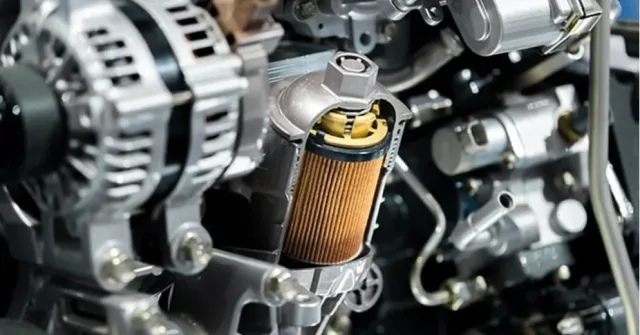
Деталь выполнена в виде герметичного корпуса цилиндрической формы из металла или пластика, внутри которого находится сменный очищающий элемент. Корпус плотно закрыт крышкой, зафиксированной резьбовым соединением или зажимом. В нижней части корпуса расположены резьбовые отверстия для подключения топливных линий.
Очищающий элемент создан из особого фильтрующего материала, который может быть выполнен в виде пластин, сеток или намотанной бумаги. Этот материал имеет сложную систему пор различных диаметров, что обеспечивает эффективное очищение топлива при его прохождении через мельчайшие каналы перегородки. Он обладает значительной вместимостью для загрязнений и удерживает частицы размером от 5 до 10 микрон. Дополнительно многие современные модели оснащены клапаном регулировки давления, что улучшает функционирование топливной системы.
Параметры выбора устройства
Прежде чем приобрести топливный фильтр, стоит учесть следующие характеристики:
- Совместимость с конкретным автомобилем. Изделие обязано полностью соответствовать техническим требованиям: размерам, типу резьбы, параметрам расхода и давления топлива. Подобные сведения обычно присутствуют в каталоге запчастей.
- Пропускная способность должна совпадать с заводскими характеристиками двигателя по расходу горючего. Это обеспечивает правильный поток и давление на входе насоса высокого давления.
- Материал фильтрующего элемента. Стоит выбирать изделия с качественными фильтрами из металлической сетки, хлопковой нити или синтетического полотна.
- Репутация и качество изготовителя. Предпочтение лучше отдавать продукции известных марок, таких как Mann Filter, Bosch, Mahle или Filtron. Оригинальные запчасти стоят дороже, но это гарантирует высокую эффективность и длительный срок службы устройства.
Для новых иномарок разумным выбором будут оригинальные детали, созданные производителем специально для определенной модели авто. Они полностью отвечают требованиям по габаритам, пропускной способности и качеству материалов. Для машин со значительным пробегом целесообразно применять комплектующие премиум-класса от известных брендов, которые обеспечивают усиленную очистку и защиту двигателя.
Рекомендации по замене топливного фильтра
Замена этого элемента — плановая процедура технического обслуживания. Интервал замены устанавливает автопроизводитель в руководстве по эксплуатации, как правило, это раз в 1–2 года или через 20–30 тыс. км пробега. Вначале нужно снизить давление в топливной системе и удалить остатки топлива из фильтра. Затем, используя специальный ключ или съемник, снимают старую деталь и устанавливают новую. После затягивания крепежа и подключения трубок запускают двигатель и осматривают все соединения на предмет герметичности, чтобы не допустить утечек горючего.