Многие водители задумываются о том, как снизить расход бензина на автомобиле, ведь цены на топливо постоянно растут. Даже при одинаковых условиях разные машины могут тратить совершенно разное количество топлива. Однако экономичность зависит не только от марки авто, но и от состояния двигателя, стиля вождения и ухода за машиной. Поняв, какие факторы влияют на расход, можно легко уменьшить потребление бензина без потери комфорта и мощности.
Основные причины повышенного расхода
Частая причина - неправильная работа двигателя. Грязные фильтры, изношенные свечи зажигания, старое масло - всё это заставляет мотор сжигать больше топлива. Например, если забит воздушный фильтр, двигатель не получает достаточно воздуха, и топливная смесь становится слишком богатой. Это сразу отражается на расходе. Кроме того, большое значение имеет давление в шинах. Недокачанные колёса повышают сопротивление качению, и автомобиль тратит больше энергии, чтобы двигаться вперёд. Даже 0,2-0,3 бара недостатка давления могут увеличить расход на 5-7%. Если вы заметили, что авто стало «жрать» бензин, начните с простого - проверьте фильтры, давление в шинах и систему зажигания. Это особенно актуально для старых машин, таких как Таврия или ВАЗ 2106, где даже мелкие неисправности сильно влияют на экономичность.
Как уменьшить расход бензина на Таврии и ВАЗ 2106
Многие владельцы отечественных автомобилей спрашивают, как уменьшить расход бензина на Таврии или на ВАЗ 2106. В этих моделях важно правильно регулировать карбюратор и зажигание. Даже небольшое отклонение в настройке может привести к перерасходу топлива. Проверьте также состояние топливного насоса и свечей - они напрямую влияют на сгорание смеси. Если двигатель работает нестабильно или дымит, стоит проверить компрессию. Износ цилиндров и колец тоже увеличивает расход, особенно в старых моторах. Иногда дешевле провести капитальный ремонт, чем регулярно переплачивать за бензин.
Советы для инжекторных авто
Современные инжекторные машины, такие как Хонда Фит или Ланос 1.5, позволяют точнее регулировать подачу топлива, но и у них есть слабые места. Если вы ищете, как уменьшить расход бензина на Хонда Фит, проверьте датчики кислорода, температуру двигателя и работу дроссельной заслонки. На Ланосе 1.5 повышенный расход часто связан с неисправным лямбда-зондом или засорёнными форсунками. Простая промывка системы впрыска может снизить потребление на 10-15%. Также стоит обратить внимание на термостат. Если двигатель долго не прогревается, он работает в «обогащённом» режиме - смесь содержит больше топлива, чем нужно, и это напрямую увеличивает расход.
Стиль вождения и экономия топлива
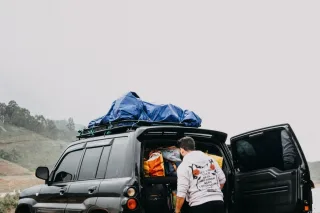
Даже полностью исправный двигатель будет тратить больше бензина, если водитель ездит агрессивно. Частые ускорения, резкие торможения и движение на высоких оборотах приводят к перерасходу. Чтобы снизить расход бензина, старайтесь разгоняться плавно и заранее сбрасывать газ перед светофором. На трассе поддерживайте постоянную скорость - это снижает нагрузку на двигатель. Оптимальные обороты для большинства авто - 2000-2500 в минуту. Не забывайте о весе автомобиля: ненужные вещи в багажнике и багажник на крыше создают лишнее сопротивление. Даже небольшой груз может добавить 0,5-1 литр на 100 км.
Что ещё помогает экономить
Периодическая диагностика двигателя - лучший способ избежать перерасхода. Современные автомобили можно подключить к сканеру OBD2 и проверить, нет ли ошибок в системе управления. Иногда достаточно заменить один датчик, чтобы вернуть экономичный расход. Старайтесь использовать качественное топливо и масла с нужной вязкостью. Слишком густое масло повышает трение и заставляет двигатель работать с усилием.
Итог
Теперь вы знаете, как снизить расход бензина на автомобиле - независимо от того, Таврия, ВАЗ 2106, Ланос 1.5 или Хонда Фит. Регулярное обслуживание, плавная езда и внимание к деталям позволяют не только экономить, но и продлевают срок службы двигателя. Пусть ваш автомобиль тратит меньше, а ездит дольше - экономия начинается с простых привычек.