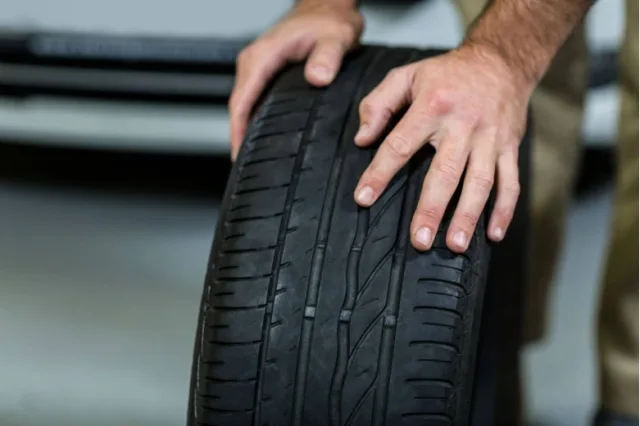
Розвиток технологій у шинній галузі, зокрема для таких типорозмірів, як шини 185 60 r14, орієнтований на розв'язання низки завдань: зниження витрат пального, збільшення ресурсу покришок та мінімізацію шкоди довкіллю.
Серед головних нововведень — застосування новітніх матеріалів. Використання нанотехнологій у складі гуми підвищує її стійкість до зношування та міцність, що подовжує термін служби покришки. Окрім того, композитні матеріали дозволяють зменшити вагу шини, що позитивно впливає на економічність автомобіля та скорочення викидів CO2. Такі лідери ринку, як Michelin, Bridgestone та Continental, уже досягли помітних успіхів у створенні більш екологічних моделей, і в майбутньому очікується подальший прогрес у цьому напрямку.
Ще одним суттєвим кроком уперед є створення покришок, здатних пристосовуватися до умов дорожнього покриття. Так звані «розумні шини» отримали датчики, що відстежують тиск, температуру та інші показники, самостійно налаштовуючи робочі характеристики для кращої безпеки та ефективності. Завдяки наноматеріалам вдається підвищити зчеплення, міцність і зменшити опір коченню, що збільшує довговічність і покращує роботу шин у будь-яких умовах.
Безпековий аспект також лишається в центрі уваги. Розробники вдосконалюють системи зчеплення та керованості, наприклад, у моделях зимові шини 215 65 r16, що забезпечує стабільність авто на вологих чи слизьких дорогах. Це допомагає знижувати ризик аварій, даючи водіям більше впевненості та контролю під час руху.
Інноваційні рішення у шинній індустрії — важлива складова сталого розвитку автомобільної промисловості. Постійні дослідження та впровадження нових технологій сприяють появі безпечніших, ощадливіших та екологічно дружніх покришок, які відповідають запитам сучасних водіїв і високим стандартам якості. Провідні концерни — Michelin, Bridgestone, Continental та інші — виступають флагманами цих змін. Їхні досягнення не лише підвищують вимоги до якості та продуктивності, а й суттєво впливають на охорону природи та безпеку руху. Перспективи подальшого розвитку виглядають обнадійливо: нові технології обіцяють ще комфортніші та безпечніші подорожі.