Подушка двигателя - что это и зачем нужна
Подушка двигателя (или опора двигателя) - это элемент крепления, соединяющий мотор с кузовом автомобиля. Основная задача подушек - удерживать двигатель в правильном положении и гасить вибрации, которые возникают во время его работы. Обычно подушка состоит из металлических элементов и резиновой или гидравлической вставки. Благодаря этому двигатель не передаёт вибрации на кузов и салон. Если бы подушек не было, мотор при каждом нажатии на газ заметно «гулял» в подкапотном пространстве, а езда стала бы шумной и некомфортной.Где находится подушка двигателя
Количество и расположение подушек зависят от модели автомобиля. В большинстве случаев двигатель крепится на трёх или четырёх опорах:- левая подушка двигателя - удерживает боковую часть мотора и принимает нагрузку при разгоне;
- правая подушка двигателя - стабилизирует силовой агрегат при торможении;
- задняя или передняя подушка - ограничивает продольные колебания;
- дополнительная подушка коробки передач - компенсирует движение трансмиссии.
На что влияет подушка двигателя
Многие недооценивают значение этих небольших деталей. На самом деле, подушка двигателя влияет на целый ряд параметров:- Комфорт и уровень вибраций.
Изношенная опора перестаёт гасить колебания, и вибрации передаются в салон, руль и педали. - Безопасность двигателя.
При разрыве подушки мотор смещается, что может повредить шланги, приводы и даже выхлопную систему. - Работу трансмиссии.
За что отвечает подушка двигателя? В том числе за стабильное положение коробки передач. При её износе появляются рывки при переключении передач. - Срок службы подвески и кузова.
Из-за постоянных вибраций быстрее изнашиваются крепления, подрамники и опоры.
Как выглядит подушка двигателя
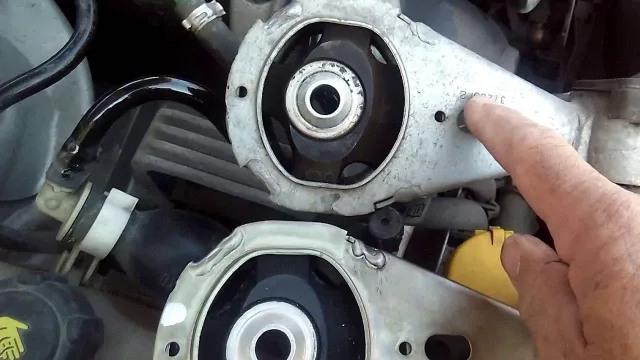
Чтобы понять, исправна ли деталь, полезно знать, как выглядит подушка двигателя.Она представляет собой металлический корпус с резиновой или гидравлической вставкой внутри. Внешне может напоминать небольшой цилиндр или «таблетку» с крепёжными болтами. Признаки износа:
- трещины на резине;
- следы масла (если подушка гидравлическая);
- деформация корпуса;
- двигатель визуально смещён в сторону.
Что будет, если подушка двигателя износилась
При езде вы можете почувствовать:- толчки при переключении передач;
- вибрации на холостом ходу;
- стук при включении задней передачи;
- перекос двигателя в подкапотном пространстве.
Как заменить подушку двигателя
Замена возможна самостоятельно, если есть домкрат и минимальные навыки.Но важно помнить: двигатель нужно зафиксировать снизу, прежде чем откручивать опоры. После этого можно поочерёдно заменить каждую подушку. При работе часто возникает вопрос - как выкрутить обломанный болт ГБЦ (головки блока цилиндров) или как открутить слизанный болт ГБЦ. Эти ситуации требуют аккуратности и специальных инструментов:
- используйте экстрактор для выкручивания обломанных болтов;
- при сорванных гранях болта ГБЦ можно применить головку с насечками или высверливание с помощью керна и дрели;
- для слизанных болтов ГБЦ не пытайтесь открутить обычным ключом - используйте ударную отвертку или насадку-гриппер.
Как продлить срок службы подушек двигателя
- Избегайте агрессивного вождения и резких стартов.
- Проверяйте опоры при каждой замене масла.
- Устанавливайте только оригинальные или сертифицированные аналоги.
- Следите, чтобы двигатель не перегревался и не текло масло - оно разрушает резину.
Теперь вы знаете, что такое подушка двигателя, где она находится, за что отвечает и на что влияет.
Эта деталь играет ключевую роль в комфорте, безопасности и долговечности вашего автомобиля. Своевременная замена подушек, а также знание, как выкрутить или открутить повреждённый болт ГБЦ, помогут избежать лишних затрат и сохранить двигатель в идеальном состоянии.