Из-за чего возникает течь амортизатора?
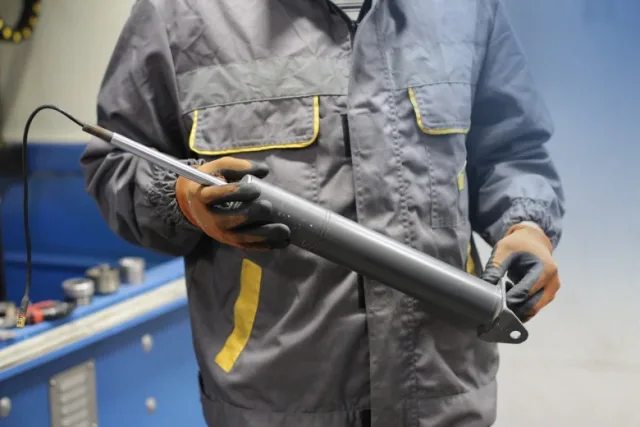
У исправного амортизатора корпус всегда остаётся герметичным. Эту герметичность обеспечивает специальное уплотнение — сальник, размещённый между корпусом и штоком. Именно он не даёт маслу вытекать наружу. При этом сальник нельзя назвать абсолютно герметичным элементом, поэтому совсем небольшая, едва заметная утечка масла всё же возможна.
Стоит отметить, что многие автовладельцы нередко принимают запотевший амортизатор за потекший.
Теперь разберём основные причины утечки масла.
- Перегрузка подвески. К примеру, водитель вовремя не заметил яму и влетел в неё — и это уже становится причиной течи. Всё дело в том, что рабочая жидкость не успевает пройти через клапаны в поршне, и масло начинает просачиваться через наименее защищённые участки корпуса — сальник и уплотнительные прокладки.
- Износ сальника. Такое случается при больших пробегах. Уплотнение со временем просто изнашивается и разрушается. В результате масло начинает выходить гораздо активнее, и через какое-то время амортизатор теряет свои демпфирующие свойства и перестаёт гасить колебания.
- Коррозия штока. Появление задиров на штоке повреждает сальник, и тогда начинается утечка и масла, и газа.
Допустима ли эксплуатация автомобиля с текущим амортизатором?
Если коротко — нет. При езде на таком амортизаторе даже небольшая неровность дороги сразу даст о себе знать: кузов будет ощутимо раскачиваться, машина станет хуже входить в повороты, а тормозной путь увеличится.
Более того, использование авто с неисправными амортизаторами может привести к поломке других элементов подвески. Поэтому, обнаружив масляные подтёки, стоит незамедлительно принимать меры — заменить или отдать амортизатор в ремонт.
Если вы не до конца уверены, что амортизаторы потекли, но чувствуете, что машину раскачивает во время движения, имеет смысл провести их диагностику.
Можно ли восстановить потекший амортизатор?
Когда встаёт вопрос о замене, многие водители сначала присматриваются к новому амортизатору, но нередко отказываются от покупки. Причина проста — цена. Стоимость нового амортизатора ощутимо бьёт по бюджету, особенно если речь идёт об адаптивных моделях или амортизаторах с электронной регулировкой. В таких случаях разумным выходом становится реставрация. Восстановление обойдётся на 40-50% дешевле, чем покупка нового узла. В нашем сервисе AIRSUS мы берёмся за ремонт амортизаторов любой сложности и предлагаем полный спектр услуг — от диагностики до установки амортизатора.