Все мы хорошо помним выражение про две беды нашей жизни: дураков и дороги. Первых пока оставим в покое, а вот второй пункт затронем. Каждый год дороги ремонтируются, латаются, да вот легче от этого не становится. С завидным постоянством появляются новые ямы, колдобины, дыры, открытые люки.
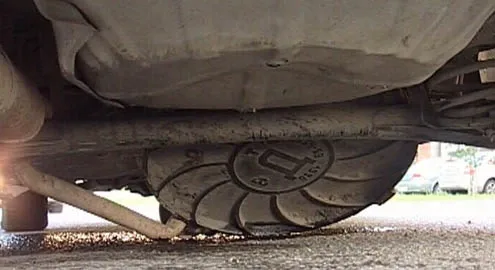
А что может быть хуже, чем автомобиль, попавший колесом в открытый люк? Думаю, что только ДТП, к которому это может привести.
Но не будем о грустном, лучше обсудим, какие последствия можно ожидать от этой неприятной ситуации и что делать в таком случае.
Попробуем перепрыгнуть
Конечно, лучше всего в люк (или смотровой колодец канализационной сети) не попадать. А для того чтобы отделаться минимальным ущербом для подвески советуют перед самым препятствием резко нажать и так же резко отпустить тормоз.
Использование этого приема поможет кратковременно разгрузить переднюю часть авто и при проезде других препятствий – лежачих полицейских, ям, и т.п.
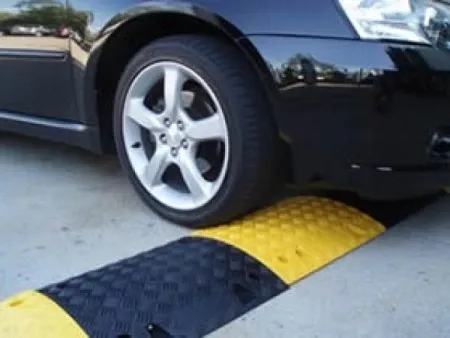
Но в жизни, как обычно, бывают разные ситуации: не сразу сориентировался, было слишком темно или сыграл роль другой фактор. В общем, предположим, что случился худший сценарий…
Последствия для автомобиля
Последствия проезда через открытый люк могут быть весьма серьезными. В лучшем случае – вам предстоит заехать на стенд развал-схождение. Проверить, не сбились ли параметры установки колес.
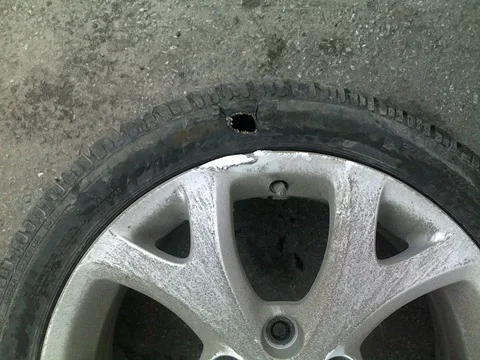
Но могут случиться и разрыв покрышки и деформация (или трещина) диска, серьезно пострадать элементы ходовой части. Как показывает практика, повредить рулевое в таком случае очень легко. А именно – тяги, которые просто-напросто рвутся.
Бывали случаи, что при попадании в открытый люк вообще отрывало колесо.
Если люк расположился поперек канализационного отверстия – удар придется по днищу авто. Если стоит металлическая защита – можно отделаться царапинами.
В худшем случае – можно погнуть поддон двигателя или коробки передач, сильно ударить или пробить топливный бак. Про последствия и говорить не стоит – это серьезные проблемы, которые приводят к дорогостоящим ремонтам и заменам.
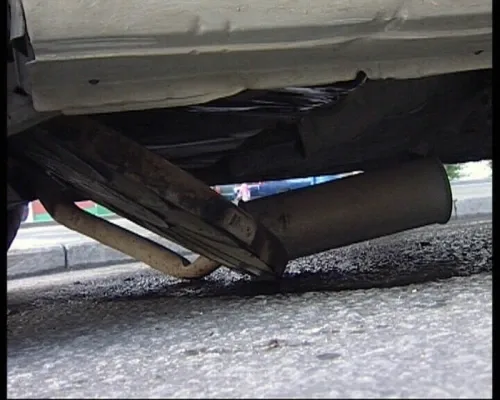
Бывали случаи, когда деформировались лонжероны.
В общем, проезд по открытому люку заканчивается весьма болезненно для автомобиля.
Но не спешите уезжать...
Дальнейшие действия
Прежде всего, нужно знать: повреждение автомобиля от попадания на различного рода неровности – это дорожно-транспортное происшествие, хотя сотрудники ГАИ нередко упорно настаивают на обратном, зачастую даже отказываясь выезжать на место происшествия.
Также нужно знать и о том, что за состояние дорог отвечают вполне определенные службы и организации.
Поскольку автомобиль в процессе движения по дороге получил повреждения (материальный ущерб), этот факт является именно ДТП, и накладывает на всех его участников (водителя и организацию, отвечающую за дорогу) определенную ответственность.
Обратимся к закону:
Згідно п. 12 ст. 10 Закону України "Про міліцію", на органи внутрішніх справ покладений обов'язок контролю над утриманням в належному технічному стані і чистоті доріг, а згідно ст. 3 Закону "Про дорожній рух", забезпечення безпеки дорожнього руху покладене на Державну автомобільну інспекцію.
Відповідно до п.10 «Єдиних правил ремонту і утримання автомобільних доріг, вулиць, залізничних переїздів, правил користування ними та охорони», затверджених Постановою Кабінету Міністрів України від 30 березня 1994 року N 198, контроль за дотриманням правил ремонту і утримання автомобільних доріг та вулиць здійснюється власниками дорожніх об'єктів або уповноваженими ними органами та Державтоінспекцією.
Поэтому обращаться в ГАИ – обязательно!
Но сначала водителю, как причастному к ДТП лицу, необходимо выполнить возложенные на него обязанности – включить аварийную световую сигнализацию, выставить знак аварийной остановки, позвонить в ГАИ и записать фамилии и адреса очевидцев. Не стоит забывать и о страховой компании.
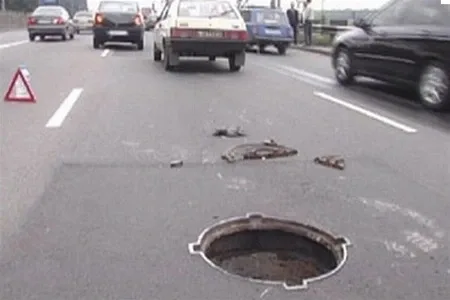
Поскольку повреждения получены в результате попадания в дорожные «неровности», важно зафиксировать эти «неровности» максимально подробно (размеры, формы, расположение, отсутствие или неправильное расположение люка и проч.).
Здесь подойдут все средства, и их должно быть как можно больше – фотовидеосъемка, показания свидетелей. Хорошо, если есть непосредственные очевидцы ДТП. В крайнем случае – останавливайте всех подряд, записывайте данные, т.к. любое подтверждение этого факта поможет при составлении иска на “хозяина” этого участка.
При фиксации обстановки сотрудниками ГАИ надо внимательно изучить все документы, составленные ими и предлагаемые на подпись, обратив особое внимание на описание состояния дороги и повреждений, полученных автомобилем.
Бывали случаи, когда сотрудники ГАИ пытались приписать нарушение ПДД (несоблюдение скоростного режима и т.п.) самому пострадавшему.
Закон «О безопасности дорожного движения» гласит, что ответственность государства выше, чем ответственность гражданина. Это значит, что суд прежде всего должен рассматривать вину дорожных служб, а уже потом водителя. И первичной является вина дорожников, а не водителя, который якобы не учел дорожных условий.
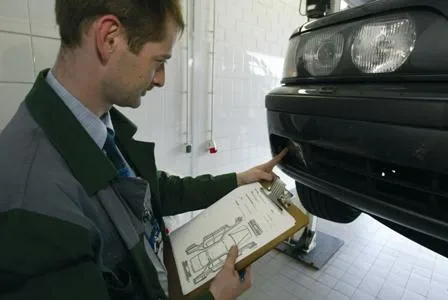
Затем необходимо оценить «тяжесть» полученных автомобилем повреждений. Для этого нужно обратиться в любую оценочную организацию, занимающуюся данным видом деятельности (в настоящее время с этим проблем нет – подобных организаций много).
Необходимо разобраться и с тем, кому предъявлять претензии по поводу ненадлежащего качества дороги. Узнать конкретную организацию, которая должна следить за состоянием дорожного полотна на участке ДТП, можно в ГАИ, сделав соответствующий запрос.
Запрос нужно отправлять, собрав всю информацию воедино: протокол о факте ДТП, записи свидетелей, отчет об оценке точной суммы ущерба.
В запросе обязательно следует уточнить:
1. Чи було в той же день працівниками ДАІ обстежено місце пригоди, в результаті якої завдано пошкоджень моєму транспортному засобу?
2. Чи був складений акт, в якому повинно бути зазначено, що відсутність кришки люка могла сприяти скоєнню автопригоди?
3. За якою організацією закріплена дана ділянка дороги та чи маю я право вимагати від даної організації відшкодування завданих мені збитків?
4. Чи був складений адміністративний протокол за ч.4 ст. 140 КУпАП на підставі факту порушення норм утримання зазначеної автодороги та чи видано припис на усунення правопорушення?
К запросу прилагается:
1. Копия справки ГАИ про товреждения транспортного средства.
2. Копия справки из наркологического диспансера.
3. Отчет об оценке ущерба.
После получения ответа следует составить письменную претензию в дорожную организацию (не исключено, что после получения грамотной и обоснованной претензии с вразумительным расчетом ущерба дорожники согласятся добровольно возместить ущерб).
Если дорожники отказываются возмещать ущерб – прямая дорога в суд.
Вывод
В принципе, все выглядит просто: оформляем ДТП, оцениваем ущерб, подаем иск. Но в жизни все оказывается гораздо сложнее.
На практике, дорожники очень не любят являться в суд, ставят под сомнения результаты экспертизы и оценку ущерба, пытаются переложить вину на водителя.
Тем не менее, случаи возмещения ущерба были, есть и будут. Просто надо четко знать свои права, украинские законы и не боятся идти до конца. И все у вас получится.
Мы же, в который раз, желаем вам быть внимательными и соблюдать правила дорожного движения.