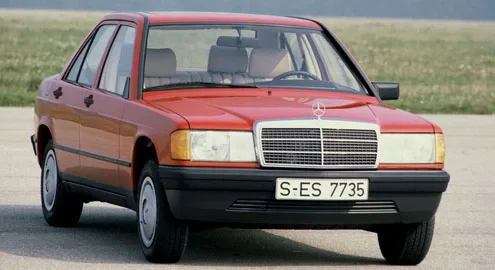
И не ошиблись. Несмотря на сохранение классической заднеприводной схемы, новый Mercedes-Benz 190 на дороге демонстрировал повадки, схожие с переднеприводными моделями. Для начала 80-х его управляемость считалась эталонной.
Данный материал продолжает цикл публикаций АвтоПортала, посвященных выбору и приобретению автомобилей с пробегом. С актуальными предложениями можно ознакомиться в разделе "Б/У авто".
Описание
- Тип кузова: 4-дверный седан
- Габариты Длина/Ширина/Высота, мм: 4448/1690/1390
- База, мм: 2665
- Масса снаряженная/полная, кг: 1200/1750
- Объем багажника, л: 410
- Объем бака, л: 55
- Тип привода: задний
- КПП: 4- и 5-ст. механическая и 4-ст. автоматическая
- Подвеска передняя/задняя: независимая/независимая
- Двигатели
- Бензиновые 4-цилиндровые:
- карбюраторные: 2,0 л/90 л.с., 2,0 л/105 л.с.
- распределенный впрыск: 1,8 л/109 л.с., 2,0 л / 122л.с.,
- 2,3 л/132 л.с., 2,3 л/185 л.с. (16V), 2,5 л/204 л.с. (16V)
- Бензиновый 6-цилиндровый: 2,6 л/160 л.с.
- Дизельные 4-цилиндровый: 2,0 л/75 л.с.
- 5-цилиндровые: 2,5 л/90 л.с., 2,5 л/122 л.с. (Turbo)
История
- 11.1982 Старт производства 4-дверного седана MB-190 с кузовом W201
- 09.1983 Дебют модели 190D и «заряженной» 190Е 2,3-16
- 09.1984 Отдача 2,0 л карбюраторного двигателя М 102.924 возросла до 105 л. с.
- 05.1985 В гамме появился новый 5-цилиндровый дизель 602.911 объемом 2,5 л
- 06.1985 Все «190-е» получили телескопический «дворник» лобового стекла и 15-дюймовые колеса
- 09.1985 Все бензиновые версии оснащаются катализаторами
- 09.1988 Модельный ряд «190-х» прошел рестайлинг
- 09.1988 На смену 190Е 2,3-16 пришла более экстремальная 190Е 2,5-16, а также появилась самая мощная дизельная модификация 190D2,5 Turbo
- 03.1990 Выпущена модель 190Е 1,8, заменившая 2,0 л карбюраторную версию
- 01.1991 ABS стала стандартным оборудованием
- 10.1992 Все модели оснащены центральной блокировкой замков
- 05.1993 MB-190 уступил место новому поколению седанов С-класса
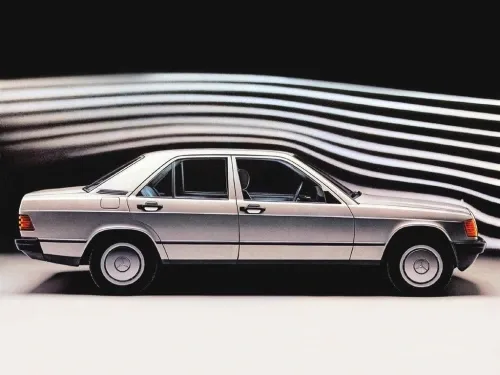
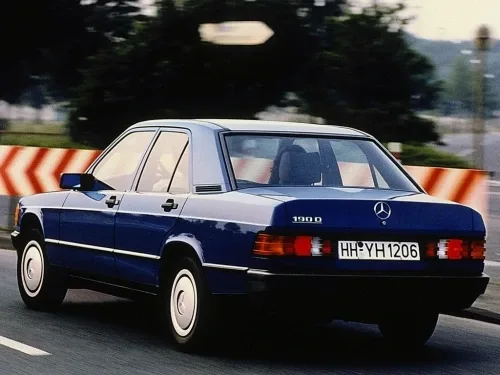
Самый компактный Mercedes-Benz с кузовом W201 впервые появился в ноябре 1982 года. Все «190-е» выпускались исключительно в кузове 4-дверный седан. Это была абсолютно новая разработка, которая не наследовала предыдущему поколению, а стала первой моделью Mercedes-Benz в европейском сегменте класса D.
Изначально автомобилю дали обозначение «190» (первые две цифры у МВ указывают на объем двигателя, который округлили в меньшую сторону — 1985 см3). Этим именем, вопреки фирменной традиции, продолжили называть все остальные модификации «190-го», независимо от объема моторов.
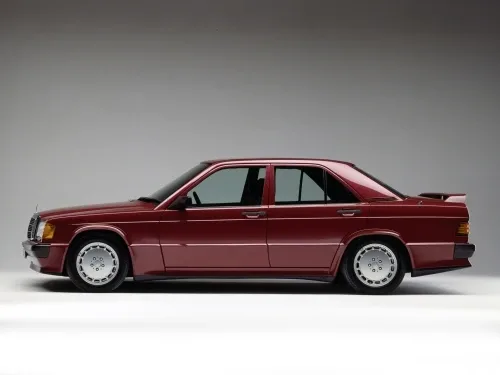
Стремясь переманить покупателей у главного конкурента — BMW, компания в 1983 году представила спортивную версию «190-го» с 185-сильным 16-клапанным двигателем объемом 2,3 л. С ним полуторатонный автомобиль достигает скорости 225 км/ч и разгоняется до первой «сотни» за 7,5 с. «Заряженную» версию отличают широкие аэродинамические бамперы и пороги, спойлер на крышке багажника, низкопрофильные шины. Немного позже эту версию заменила другая спортивная модификация МВ-190 с более мощным и совершенным 195-сильным мотором объемом 2,5 л.
С 1985 года на все модели «190-го» начали устанавливать один активный телескопический «дворник», существенно увеличивающий зону очистки ветрового стекла, а также гидротолкатели клапанов двигателя.
В сентябре 1988 года модельный ряд МВ-190 пережил рестайлинг: нижние боковины дверей получили широкую защитную пластиковую накладку (так называемую "листву"), изменились передние и задние бамперы, а также была усовершенствована форма сидений.
Сознавая, что для сохранения позиций на рынке недостаточно лишь модернизации «190-го», компания в мае 1993 года заменила модели W201 на седаны нового поколения С-класса с кузовом W202.
Кузов
Заводскую антикоррозийную обработку можно назвать качественной. Но для наших условий, а учитывая возраст, тем более, этого «хорошо» недостаточно.
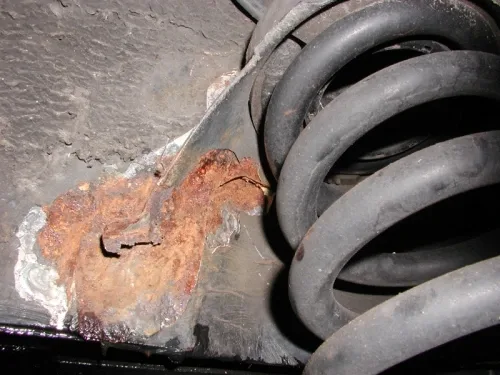
Багажник (у древних экземпляров) может корродировать изнутри. В придачу, краска у «Мерседесов» традиционно очень прочная, и из-за этого под ней можно не заметить следы ржавчины. Бывает так: снаружи все безупречно, а внутри металл уже давно «сгнил». Самые «ржавоопасные участки» такие же, как и у многих других автомобилей: пороги, арки колес, кромка багажника, низ дверей.
Любопытный момент — передние крылья крепятся на болтах, что весьма удобно при ремонте. Швы и стыки покрыты герметизирующей мастикой, которую при ремонте следует разогревать.
Салон
На заднем сиденье трое помещаются с трудом, а места для ног катастрофически не хватает. Интересно, что из-за некоторой тесноты сзади «стодевяностый» прозвали четырехдверным купе.
Строгий интерьер выдержан в фирменном стиле компании. Попав внутрь, нисколько не сомневаешься, что это Mercedes-Benz. При желании можно найти интересные модификации с электростеклоподъемниками на всех окнах и электрорегулировкой сидений (для европейских авто 80-х роскошь немыслимая). Интересно, что Mercedes 190 одним из первых получил подушку безопасности. Главная особенность печки — раздельное управление на левую и правую сторону салона.
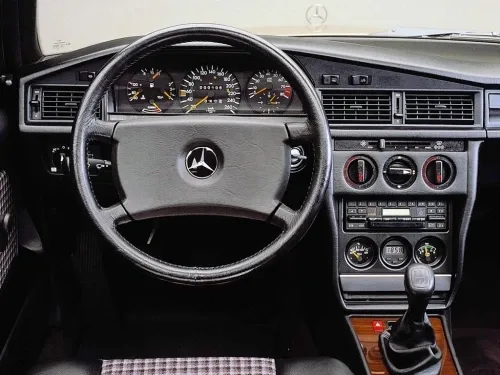
Обидно, что теснота в салоне не пошла на пользу багажнику. Его объем — всего 410 литров. Всему виной — бензобак, расположенный как раз за задним сиденьем. Из-за него и спинка не складывается.
Еще один чисто мерседесовский недостаток связан с передними креслами. С годами они продавливаются на всех машинах. Причем наиболее уязвимы кресла в машинах до модернизации 1988 года, после этого конструкцию изменили и каркас прогибался не так быстро.
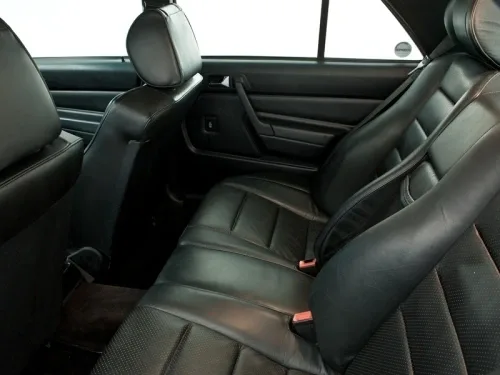
Люки с электрическим приводом не работают на каждом третьем автомобиле. Механические, понятное дело, намного надежнее.
До модернизации 1988 года проблемы вызывала конструкция замка зажигания, по традиции расположенного не на рулевой колонке, а прямо на передней панели.
Двигатели
Название 190 ясно намекает на рабочий объем, примерно равный двум литрам. Первоначально машина комплектовалась карбюраторным 2,0-литровым мотором мощностью 90-105 л.с. Почти одновременно с ним увидел свет 2,0 литра мощностью 118-122 л.с. с механическим впрыском К (KE)-Jetronic.
Далее шли моторы 2,3 литра 136 л.с. (впрыск KE-Jetronic) с двумя клапанами на цилиндр и их разновидность с четырьмя клапанами на цилиндр (177-185 л.с.), а также 2,6 литровый 166 л.с. (впрыск). Кроме того, устанавливались двигатели 1,8 литра 109 л.с. (впрыск), 2,5 литра 195 л.с. для спортивной модели 190Е 2,6. Ценителям экономии и крутящего момента на малых оборотах предлагали дизели 2,0 литра 72 л.с. и 2,5 литра 90-95 л.с., а также пятицилиндровый турбодизель 2,5 литра 126 л.с.
Все двигатели рядные, продольно-расположенные. Число цилиндров, за исключением 2,6 литра и 2,5 литра дизель — четыре. Блоки цилиндров отлиты из чугуна, головки алюминиевые. Привод распредвала — цепной, отличается большим ресурсом. Точно так же приводится и масляный насос. Из приятных мелочей, здорово облегчающих обслуживание, отметим гидротолкатели клапанов. Правда, для надежной работы они требуют качественного масла и своевременного ТО.
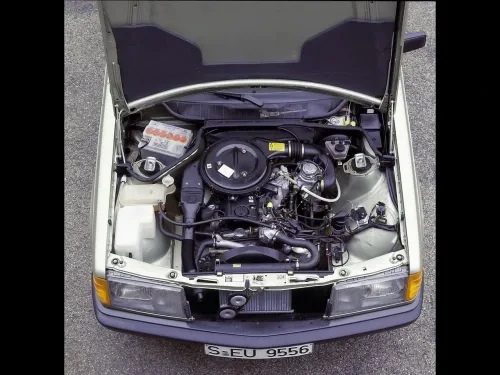
На двигателях рабочим объемом 2,0 л карбюратор Stromberg-175 может доставлять неприятные сюрпризы: затрудненный пуск, «провалы» в работе, повышенный расход. Зато система впрыска KE-Jetronic достаточно надежна. Если, конечно, не забывать чистить форсунки и не допускать длительных простоев (около месяца). В этом случае топливная аппаратура может быть повреждена водой.
Привод топливных насосов высокого давления дизелей приводится в действие цепью. К нашей солярке они относятся, скажем так, лучше, чем Common Rail, но воду из топливных фильтров лучше выливать почаще. Общий недостаток двигателей — выход из строя муфты вентилятора. Это может кончиться перегревом. Кроме того, при покупке серии W201, проверьте состояние креплений двигателя. Особенно гидроопор. По причине старости они вполне могут выйти из строя.
Трансмиссия
Модификаций коробок передач очень много. Так даже в близких по конструкции КПП для дизелей и бензиновых двигателей достаточно невзаимозаменяемых деталей. Все они очень надежны и требуют только регулярной замены масла. Единственный трансмиссионный недостаток «Мерса» данной модели — это быстрый износ среднего подвесного подшипника карданного вала. А вот легкость переключения передач оставляет желать лучшего.
Сцепление автомобиля снабжено центральной нажимной пружиной и гидравлическим приводом. Корзина и нажимной диск ходят нередко до 200 тыс. км, но такой пробег, обычно, не выдерживает выжимной подшипник. Посему услышав характерный писк, поторопитесь с заменой. Иначе не избежать куда более серьезного и дорогого ремонта: заклинив, подшипник обломит лепестки корзины.
При покупке стоит обратить внимание на демпфирующие муфты карданного вала. Их две, рядом с коробкой передач и на заднем редукторе. Важно, чтобы на них не было видимых разрывов. Иначе придется менять
Ходовая часть
Передняя подвеска несколько непривычна: винтовые цилиндрические пружины расположены не вокруг амортизаторов, а рядом с ними и опираются внизу на мощные трехугольные рычаги, а вверху — на опорные чашки. При такой подвеске никогда не бывает трещин в верхних местах крепления стоек к кузову. Кстати, пружины и опорные чашки подбираются по специальной фирменной таблице, потому их замену в случае необходимости лучше поручить знающим людям. Регулировка развала — схождения очень удобная, при помощи эксцентриковых болтов.
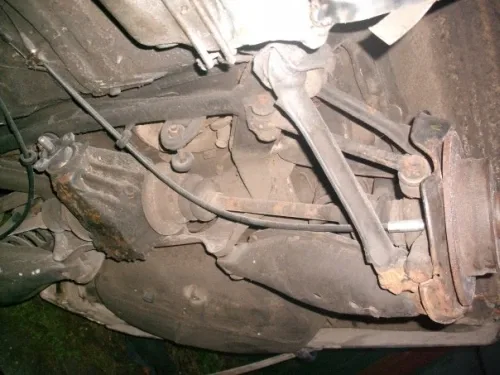
Сзади установлена знаменитая мерседесовская многорычажка. Она сложная: 24 сайлент-блока, по пять рычагов на колесо. Несмотря на замысловатую конструкцию она отличается неслабым ресурсом до замены большинства рычагов-сайлентблоков — до 200 тыс. км. Естественно, при условии установки качественных запчастей. Вот только полная переборка подвески стоит недешево.
На большинстве модификаций «190-го» установлен гидроусилитель руля. Основной недостаток рулевого управления — с возрастом у рулевого механизма появляется повышенный люфт, который можно на некоторое время устранить с помощью регулировочного винта.
Тормоза всех МВ-190 — очень эффективные, так как впереди и сзади стоят дисковые тормозные механизмы. Более того, встречаются версии, оснащенные ABS. Специфическая особенность задних тормозов — стояночный тормоз — блокируется барабанными колодками, установленными внутри диска. Поэтому многие автомобили имеют проблемы со стояночным тормозом.
Цены на запчасти и обслуживание
Оригинальные детали до сих пор стоят хороших денег, но и ходят соответственно. Некоторые позиции, в виду возраста авто, уже сняты с производства, так что нужно быть готовым к этому. Но все основные запчасти еще в производстве.
Касательно СТО. Большинство людей ремонтируют сами, некоторые станции даже не захотят брать его в работу.
С разборками сейчас имеются проблемы. Автомобили по запчастям встречаются все реже, а с Европы их уже почти никто не возит. В крайнем случае придется восстанавливать заводскую деталь.
Итог
30 лет назад Mercedes-Benz действительно строил потрясающе надежные автомобили. Но возраст, наши дороги, сервисы, запчасти... И приведение в надлежащий вид 190-го будет стоить довольно дорого.
Перед покупкой задумайтесь: а нужен он, Mercedes-Benz? Ведь у предыдущего владельца стимул к покупке был примерно такой же: хочу супернадежный автомобиль. И ездил он, скорее всего, соответственно. То есть, пока не начал совсем рассыпаться, менял только масло и фильтры. А как «посыпалось» — решил продать.
С другой стороны, Mercedes-Benz — товар исключительно ликвидный. Купив не самый «убитый» экземпляр, можно поездить с годик-полтора, ничего не ремонтируя, и продать. В нашей стране даже совершенно «мертвые» Mercedes-Benz пользуются неплохим спросом.
В ценах это выражается следующим образом: от $3000 за «ездящие» варианты первых лет и в районе $6500 за наиболее приличные экземпляры 1993 года.
С каталогом подержанных авто вы можете ознакомиться на наших страницах, перейдя в раздел "Б/У авто".
Мнения владельцев
Плюсы | Минусы |
|
|