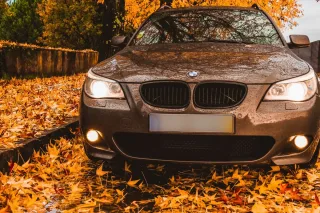
Газоразрядные источники света, которые автомобилисты обычно называют «ксеноном», работают на смеси инертных газов, где присутствует и ксенон.
Такая лампа дает свет, заметно превосходящий по яркости галогенный аналог, спектр излучения близок к естественному освещению, а энергии она потребляет почти вдвое меньше.
| Параметр | Галоген | Ксенон |
Мощность, Вт | 55-100 | 35-50 |
Световой поток, Лм | 800-1500 | 3200 |
Цветовая температура, К | 3000 | 4300-7000 |
Ресурс, ч | 350-500 | 3000 |
В газоразрядной лампе нет нити накаливания: свет образуется в результате дугового разряда, возникающего между двумя электродами.
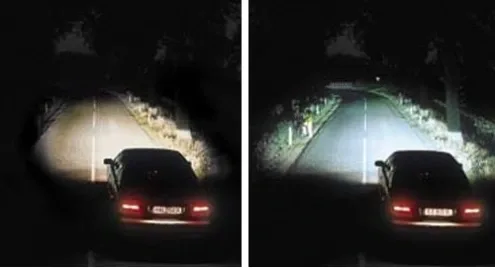
Отсутствие нити накаливания делает ксеноновые лампы нечувствительными к вибрациям, а также устойчивыми к температурным колебаниям (диапазон от -60 до +105 °С) и воздействию конденсата.
Чтобы лампа зажглась, нужен стартер, а для поддержания горения — электронный балласт. Сначала на лампу подается напряжение 25 000 В, затем оно стабилизируется на уровне 80 В при частоте 300 Гц.
Под ксенон требуются особые фары, рассчитанные именно на такой тип излучения. С начала 90-х годов такие лампы устанавливают на заводском конвейере автомобилей представительского класса.
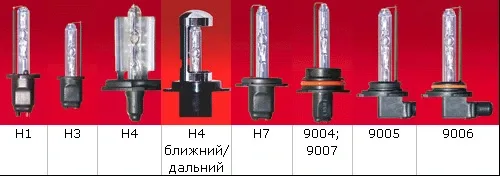
Биксенон — это возможность получить и ближний, и дальний свет от одной лампы с двумя нитями, встроенной в цоколь H4, HB1(9004), HB5(9007) или H13. В таких лампах фокусное расстояние изменяется за счет перемещения колбы электромагнитным соленоидом, что и позволяет переключать режимы.
Когда появились комплекты retrofit-kit (газоразрядные лампы, повторяющие конструкцию стандартных цоколей), ксенон стали ставить вместо штатных ламп, дополняя систему отдельным блоком розжига.
Зачем это делают? В первую очередь из экономии: комплект китайского производства обойдется в 300-500 грн., в то время как немецкий набор может стоить уже около $200.
«Заводской» ксенон обойдется заметно дороже — от $400 за одну фару.
Однако в Европе использование ксенона, установленного не в заводских условиях, под запретом. Инспекторы на дорогах вычисляют такие автомобили по отсутствию омывателей фар. И здесь не все так однозначно, как может показаться.
Цветовая температура ксенона
В продаже чаще всего встречаются лампы с такими показателями цветовой температуры:
- 4300 °К — «бело-молочный»;
- 5000 °К — «белый»;
- 6000 °К — «голубой кристалл».
С увеличением цветовой температуры в спектре света становится больше голубых тонов и меньше желтых. Наиболее комфортен для человеческого глаза дневной свет, чья температура составляет 5500 К.
Но важно помнить: чем выше температура свечения, тем хуже становится видимость в условиях дождя или снегопада. Оптимальный диапазон — 4300-5000 К. Если установить ксенон с более высокой температурой, освещенность дороги может оказаться недостаточной.
С ростом цветовой температуры падает и яркость излучения. Штатный ксенон с завода имеет температуру 4300 К. При переходе на лампы 5000 К потеря яркости незначительна — около 100-200 Лм. А вот на 6000 К освещенность снижается уже до 2800 Лм. Поэтому компромиссным выбором для многих становится среднее значение — 5000 К.
Омыватели фар: обязательный элемент
Стекло фары, сквозь которое проходит световой пучок, способно искажать его форму. А поскольку ксенон отличается высокой интенсивностью излучения, любое загрязнение поверхности фары превращается в рассеиватель: свет начинает расползаться в стороны, освещенность дороги падает, а риск ослепить встречных водителей возрастает.
Качественные омыватели решают эту проблему, поэтому ксеноновое освещение в обязательном порядке требует наличия омывателей фар. Для примера: одна б/у форсунка омывателя на разборке стоит около 250 грн.
Особенности конструкции фар
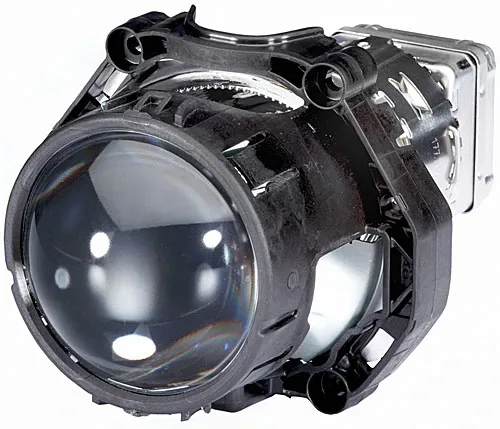
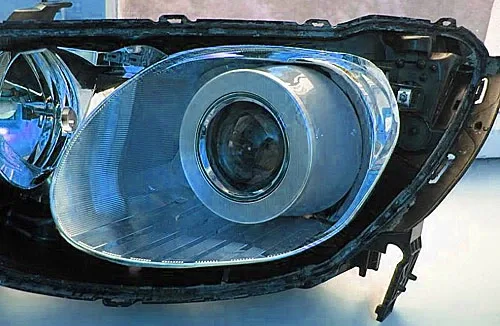
С фарами тоже не все просто. «Заводской ксенон» обычно монтируется в специальные фары с линзами. Это обеспечивает четкую границу светового пучка на дороге.
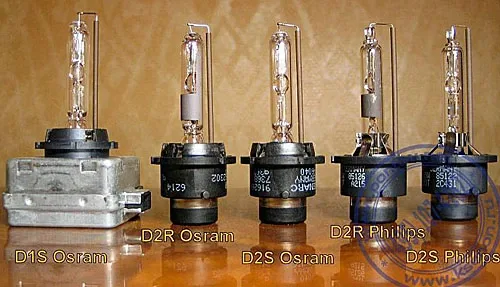
Для штатного ксенона используется другой тип цоколя (D2S, D2R и другие), а цветовая температура обычно не превышает 5000 °К — опять же ради лучшей видимости.
Чтобы снизить риск ослепления других участников движения, на заводе ксенон дополняют автокорректором фар. Система, ориентируясь на датчики положения кузова, автоматически меняет направление светового пучка.
При «гаражном» монтаже всеми этими тонкостями обычно пренебрегают.
К тому же фары, которые не рассчитаны на ксенон, со временем мутнеют. Причина — не в высокой температуре, а в спектре излучения: в нем содержится избыточное количество ультрафиолета.
Преимущества ксенона
- Светоотдача и световой поток у газоразрядных ламп значительно выше.
- Ксенон экономичнее и эффективнее: если у галогенки почти 50% энергии уходит на нагрев, то у газоразрядной лампы — лишь 6-7%.
- Большой срок службы и высокая надежность, поскольку нет нити накаливания.
- Узкий спектр свечения улучшает видимость в дождь и туман.
Недостатки ксенона
Просто заменить галогенные лампы на ксеноновые (даже при совпадении цоколей) недостаточно. Необходимо адаптировать фары: устанавливать линзы и автокорректор.
Все это, естественно, увеличивает итоговую стоимость оборудования и работ.
Ключевые моменты при установке
- Нельзя поставить ксенон простой заменой лампочек.
- Газоразрядный свет обязательно нуждается в омывателях фар.
- Фары должны быть подготовлены к ксенону: отражатели и рефлекторы следует заменить на совместимые, нужны линзы, а лучше — еще и автокорректор.
- Наиболее безопасный вариант — «заводской» комплект ксенона вместе с фарами.
- Ксеноновые лампы меняются только парами, так как со временем они меняют оттенок свечения.
- Тусклый или, наоборот, слепящий свет — результат неправильной установки оборудования. Именно поэтому в Европе требования к ксенону такие строгие.
Выводы
Подытожим: решив установить ксенон — будь то заводской комплект или лампы в обычные фары — к этому стоит подойти со всей серьезностью.
Такая затея выйдет недешевой, иначе автомобиль станет опасным для окружающих, ослепляя других водителей.