Когда водитель одновременно выжимает педаль газа и тормоза, происходит следующее: мотор начинает наращивать обороты, передавая на колеса повышенный крутящий момент, однако тормозная система в этот момент сдерживает вращение колес, не позволяя им свободно прокручиваться.
В результате наибольшая нагрузка ложится на детали, отвечающие за передачу крутящего момента.
Возникает закономерный вопрос: чем это грозит автомобилю и для чего вообще применяется такой прием.
Не будем углубляться в детали устройства коробок передач — этот вопрос мы уже подробно разбирали в статье «Что будет если... при движении вперед включить заднюю передачу», но очевидно, что для разных типов трансмиссий последствия будут отличаться.
Механическая коробка передач
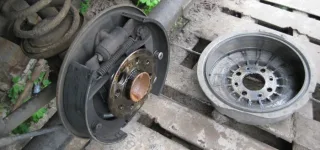
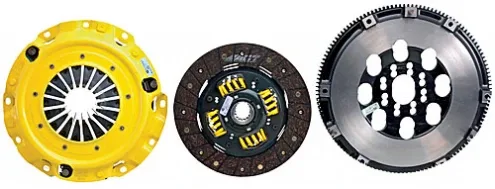
В машине с механической КПП функцию передачи крутящего момента от силового агрегата к коробке выполняет сцепление, которое обеспечивает механическое соединение вала двигателя и вала МКПП.
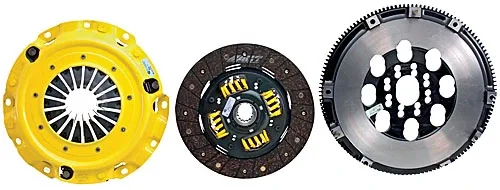
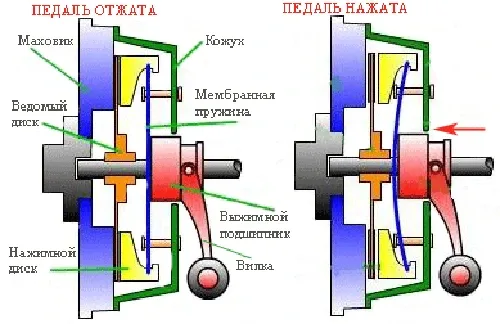
Принцип работы сцепления основан на трении между двумя дисками: один из них закреплен на валу мотора, второй — на валу коробки.
Когда сцепление выжато, двигатель и КПП разъединены. При отпускании педали сцепления сила трения между дисками постепенно растет, и скорость вращения вала коробки начинает выравниваться с оборотами вала двигателя.
При полностью отпущенной педали оба вала вращаются с одинаковой скоростью.
Итак, если одновременно давить на газ и тормоз, происходит следующее:
- С ростом оборотов двигателя вал мотора передает на вал МКПП увеличенный крутящий момент.
- Между дисками сцепления возникает и усиливается разница в скорости вращения — начинается проскальзывание.
- Выделяется значительное количество тепловой энергии.
Проще говоря: если на машине с механической коробкой одновременно удерживать педали газа и тормоза, то первым пострадает сцепление — оно просто сгорит. Остальные узлы трансмиссии и сам двигатель тоже окажутся под избыточной нагрузкой.
Правда, есть и хорошая новость: скорее всего, мотор заглохнет раньше, чем сцепление успеет полностью выйти из строя.
Автоматическая коробка передач
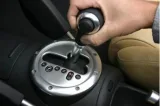
В автомобиле с «автоматом» передачу крутящего момента от двигателя к коробке берет на себя гидротрансформатор, который соединяет элементы через жидкость.
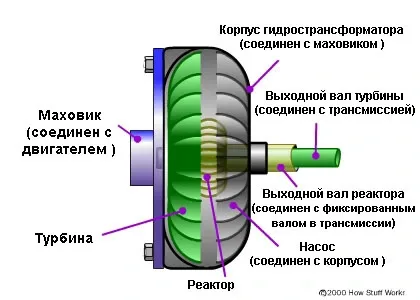
Гидротрансформатор состоит из трех основных частей: насосного колеса, турбинного колеса и реактора.
Насосное колесо жестко связано с корпусом гидротрансформатора. Когда вал двигателя вращается, оно создает внутри поток масла, который приводит в движение турбину, соединенную с АКПП.
Реактор предназначен для корректировки потоков масла: он увеличивает крутящий момент при трогании с места и не дает двигателю заглохнуть при остановке на включенной передаче.
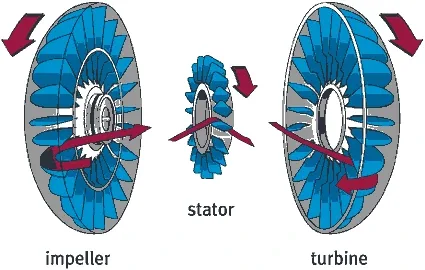
Итак, если одновременно нажать на газ и тормоз, происходит следующее:
- С ростом оборотов двигателя насосное колесо передает на турбинное колесо, связанное с АКПП, больший крутящий момент.
- Между двумя колесами появляется и усиливается разница в скорости вращения.
- Турбинное колесо начинает «проскальзывать» относительно насосного, что сопровождается интенсивным выделением тепла.
Иными словами: при одновременном удержании педалей газа и тормоза на автомобиле с автоматической коробкой первым выйдет из строя гидротрансформатор — он сгорит. Разумеется, остальные элементы трансмиссии тоже будут испытывать повышенные нагрузки.
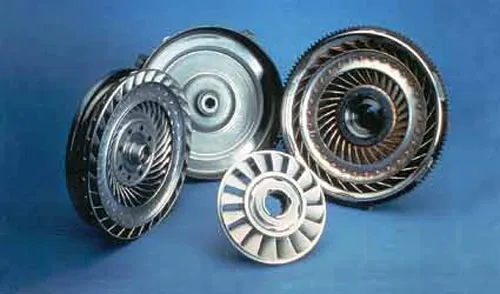
Впрочем, электроника многих современных машин может защитить авто от такого издевательства: если тормоз выжат полностью, АКПП просто блокируется.
Зачем нужно одновременно нажимать на газ и на тормоз
Несмотря на серьезные последствия для автомобиля, одновременное нажатие на обе педали действительно применяется. Но делается это редко и только с определенной целью.
На механической коробке такой прием используют, чтобы:
- перераспределить вес между осями машины при преодолении неровностей;
- поддерживать нужные обороты двигателя в процессе торможения;
- вызвать управляемый занос.
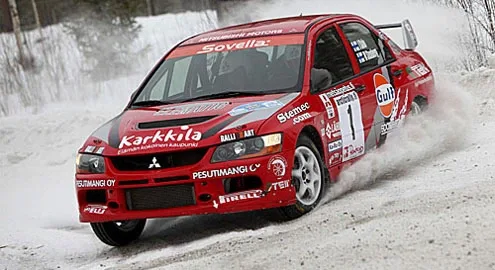
Нетрудно догадаться, что подобные техники доступны в основном спортсменам, и лучше всего применять их на специально подготовленных автомобилях.
А вот при наличии АКПП на обе педали нажимают для проверки рабочих характеристик двигателя и коробки. Для этого удерживается тормоз, запускается мотор, АКПП переводится в режим «драйв», и выжимается акселератор. Затем по достигнутому числу оборотов двигателя проводится диагностика.
Итог
Если одновременно удерживать педали газа и тормоза, сгорит сцепление или гидротрансформатор. Кроме того, могут пострадать и другие элементы трансмиссии.
Дозированное одновременное нажатие применяется в спортивных целях и при диагностике автомобиля.
Чтобы научиться правильно использовать все возможности автомобиля, требуется долгая и упорная тренировка. Поэтому без должной подготовки не стоит нажимать на газ и тормоз одновременно.