В технической документации к автомобилю часто можно встретить указание: «рекомендуемое топливо — А-95, допустимое — А-92». Либо так: «рекомендуемое — А-98, допустимое — А-95». Чем выше октановое число, тем выше цена на топливо. Разберемся, насколько критично применять бензин с высоким октановым числом и есть ли реальная выгода от использования «низкооктанового» топлива.
Что такое октановое число
Бензин — это горючая смесь легких углеводородов, получаемая в процессе перегонки нефти с отбором определенных фракций при заданных температурах.
Топливо характеризуется несколькими ключевыми параметрами, среди которых выделяют:
- долю ароматических углеводородов, бензола и кислородсодержащих органических соединений. Ароматика способствует повышению октанового числа, однако ведет к усиленному нагарообразованию, агрессивно воздействует на резиновые и пластиковые элементы, а бензол повышает токсичность выхлопа и также увеличивает образование нагара.
- содержание серы. При сгорании серы образуются серная и сернистая кислоты, которые разъедают металлические поверхности, элементы выпускной системы и катализаторы.
- октановое число. Этот показатель отражает способность топлива сопротивляться самовоспламенению при сжатии в камере сгорания, то есть его детонационную стойкость.
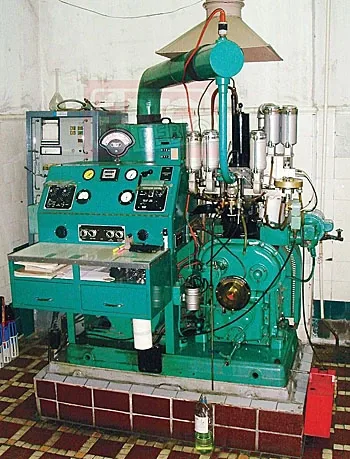
Октановое число определяется в лабораторных условиях двумя способами — моторным и исследовательским. Для этого используется одноцилиндровый мотор с регулируемой степенью сжатия.
В двигатель заливается тестируемый бензин, фиксируется уровень детонации, после чего в той же установке перебираются эталонные смеси (изооктан с н-гептаном в различных пропорциях) до достижения аналогичной интенсивности детонации. Содержание изооктана в такой эталонной смеси и есть октановое число исследуемого топлива.
Разница между моторным и исследовательским методами заключается в условиях работы двигателя при испытаниях (моторное октановое число всегда ниже исследовательского). В разных странах применяются различные методы измерения и маркировки, однако на отечественных заправках принято указывать октановое число, полученное исследовательским методом.
Чем опасна детонация
В бензиновом двигателе топливо смешивается с воздухом (без кислорода горение невозможно), и эта смесь подается в камеру сгорания, где воспламеняется от искры. С ростом температуры и давления начинается окисление углеводородов, образуются перекисные соединения и продукты их распада, которые склонны к самовоспламенению.
Если смесь не обладает нужной детонационной стойкостью, происходит тепловой взрыв, вызывающий самовоспламенение топлива.
Проще говоря, после поджигания смеси свечой в цилиндре происходит еще один взрыв. Пламя при этом распространяется в сотни раз быстрее, а ударная волна многократно отражается от стенок цилиндра и поршня — это и есть детонация.
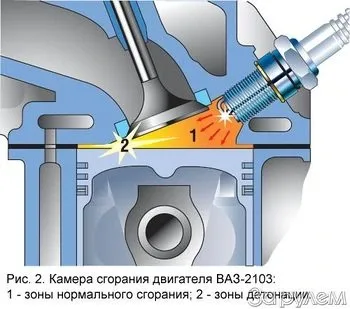
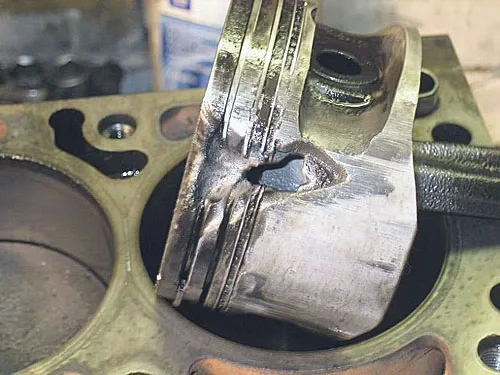
Детонационное сгорание ведет к перегреву, ускоренному износу и даже локальным повреждениям мотора. При этом падает мощность, выхлоп становится более дымным, увеличивается расход топлива и т.д.
Возникновение детонации зависит не только от состава бензина, но и от конструктивных особенностей двигателя и системы зажигания.
Что произойдет при использовании низкооктанового топлива
Если залить бензин с октановым числом ниже, чем требует производитель автомобиля, топливо будет сгорать несвоевременно, мощность снизится, а двигатель начнет изнашиваться — возникнет детонация.
Но тогда почему производители указывают два значения — рекомендуемое и допустимое октановое число?
Все дело в том, что в инжекторных двигателях угол опережения зажигания регулируется автоматически в определенном диапазоне. Этого диапазона хватает, чтобы мотор мог адаптироваться, например, как к А-95, так и к А-92.
При этом важно понимать, что «рекомендуемый» и «допустимый» бензин — это не одно и то же, и способность двигателя длительно работать на «допустимом» топливе во многом определяется его конструкцией.
Современные двигатели становятся экологичнее и экономичнее, но при этом не теряют мощности. Это достигается за счет повышения степени сжатия, а она, в свою очередь, предъявляет более высокие требования к детонационной стойкости топлива.
Поэтому для современных моторов с высокой степенью сжатия (ориентировочно — более 10), отличающихся небольшим объемом при высокой мощности, использование низкооктанового бензина однозначно приведет к детонации. Для подавления детонации в предельных режимах в двигателях устанавливается датчик детонации, сигналы которого контроллер использует для уменьшения угла опережения зажигания. Детонация при этом исчезает, но двигатель начинает работать с повышенной нагрузкой: топливо воспламеняется позже, догорает уже в выпускном тракте, разрушая клапаны. Вдобавок падает мощность и растет расход горючего.
«Старые» двигатели — с большим объемом и невысокой степенью сжатия (ориентировочно — до 10) — более терпимо относятся к снижению октанового числа и менее подвержены детонации.
Информация о том, какой бензин (или какие бензины) подходит для двигателя, указана на внутренней стороне лючка бензобака и в технической документации автомобиля.
Есть ли экономия
Как уже было сказано, при снижении октанового числа даже в допустимых пределах увеличивается расход топлива и снижается мощность.
Однако эти неудобства могут компенсироваться меньшей стоимостью самого топлива. Будет ли в таком случае реальный выигрыш в затратах (то есть увеличенный расход, умноженный на сниженную цену) — сказать однозначно нельзя, для каждого случая это индивидуально.
Дело в том, что расход горючего при использовании того или иного сорта бензина, помимо конструктивных особенностей двигателя, зависит также от настроек системы зажигания, стиля вождения, условий эксплуатации и многих других факторов.
Можно сказать точно: для современных двигателей предпочтительнее использовать высокооктановое топливо (даже если в документации допускается низкооктановое). Это убережет двигатель и выпускную систему от лишних нагрузок и снизит риск поломок и дорогостоящего ремонта.
Двигатели 80–90-х годов менее требовательны к октановому числу, и использование А-92 вместо А-95 (если это допускается документацией) не навредит автомобилю. Здесь стоит вспомнить, что китайские производители при создании новых авто часто используют устаревшие двигатели Mitsubishi или Toyota — такие моторы также спокойно относятся к низкооктановому топливу.

Итог
- Заправлять автомобиль следует тем топливом, на которое рассчитан двигатель.
- В современных авто система зажигания может адаптироваться к топливу, однако низкооктановое горючее снижает мощность и повышает расход.
- Для новых высокофорсированных двигателей использование низкооктанового топлива крайне нежелательно, даже если производитель это допускает — ресурс мотора существенно сокращается.
- Для двигателей старой конструкции использование низкооктанового топлива вполне приемлемо.
- Экономия при переходе на 92-й (или 95-й) бензин зависит от многих факторов и для каждого автомобиля рассчитывается индивидуально.