Під час війни якість дизельного пального виходить на рівень стратегічної важливості — від нього залежить не лише цивільний транспорт, а й ЗСУ. Чимало підприємств та критичних об'єктів також покладаються на дизельні генератори, які забезпечують роботу під час блекаутів. Низькоякісне пальне може вивести генератор із ладу значно швидше, ніж автомобільний мотор, а його ремонт — це складно та недешево.
За місяці війни ринок дизельного пального суттєво змінився: він пережив переорієнтацію постачань і дефіцит. Але чи відповідає нинішнє пальне стандартам якості, вирішили перевірити експерти Інституту споживчих експертиз, провівши масштабне вивчення дизеля на українських заправках.
Зразки збирали по всій країні — загалом 19 позицій «звичайного» дизеля з мереж ОККО, WOG, SOCAR, SHELL, KLO, PRIME, ZOG, АВІАС, AMIC, AVANTAGE 7, CHIPO, BVS, БРСМ-нафта, Neftek, U.GO, BILL OIL, ЕНЕРГО-ЕКСПОРТ, ПАТРІОТ та ЄВРО 5. Окремо придбали й преміальні сорти: Pulls Diesel Арктика OKKO, Mustang WOG, Ventus Diesel KLO, Nano Extro SOCAR та Euro БРСМ-нафта. Таке пальне зазвичай дорожче і позиціонується як арктичне, із дуже низькою температурою замерзання.
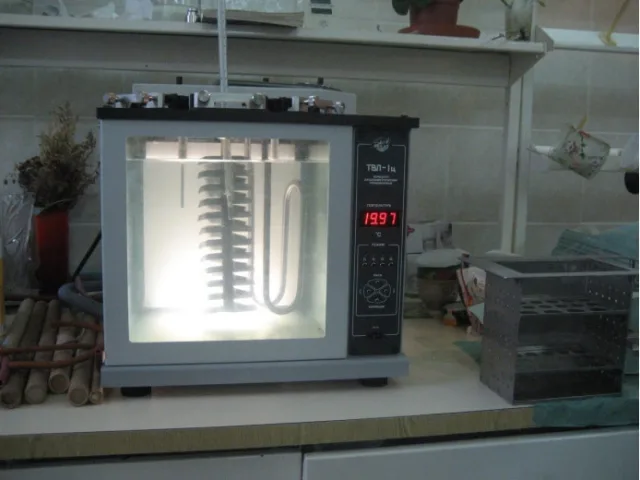
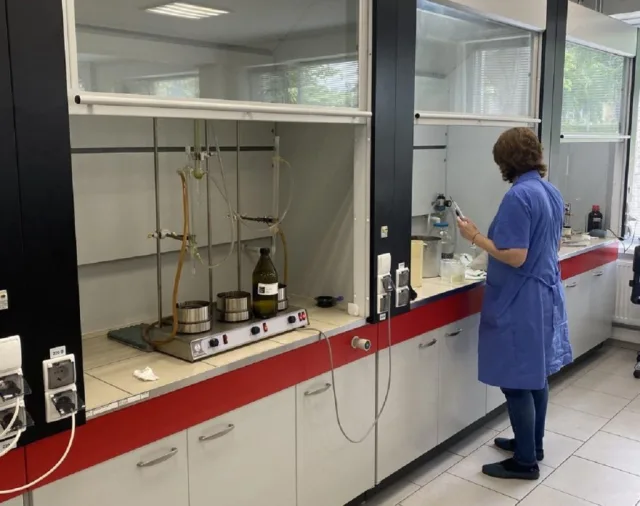
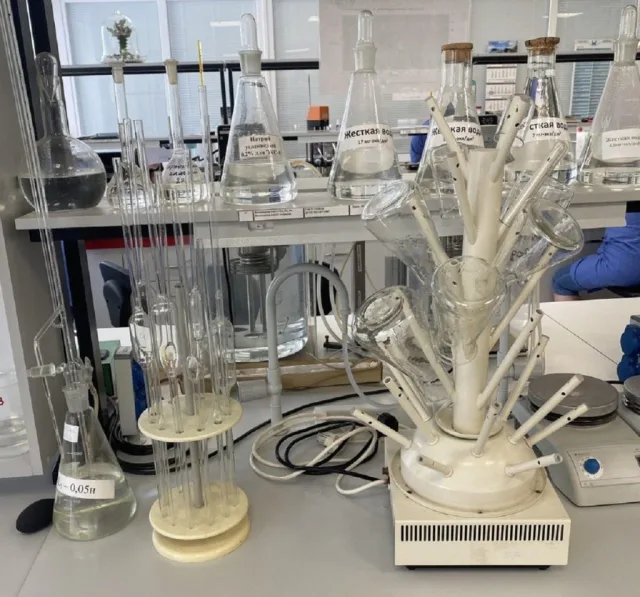
Лабораторні випробування проводили за ключовими параметрами ДСТУ: гранична температура фільтрації, температура спалаху в закритому тиглі та вміст сірки.
Результати розділили на дві групи: «зелену» — де всі показники відповідали нормативам із певним запасом, та «червону» — мережі, чиє пальне не вклалося в чинні стандарти. Варто зауважити, що в умовах війни дозволено продавати навіть пальне стандарту ЄВРО 3, тож формально «червона зона» діє в межах закону. Висновки — за самими споживачами.
Зелена зона (стандартне дизельне пальне)
Із 19 зразків звичайного дизеля лише 8 мереж потрапили до лідерів. Пальне SOCAR, ОККО, WOG, KLO, PRIME, ZOG, AVANTAGE 7 та CHIPO відповідало всім вимогам ДСТУ 7688:2015. Спочатку перевіряли найважливіший для водіїв показник — морозостійкість. У лідерів стандартний дизель витримує мінус 20 (ZOG, AVANTAGE 7), мінус 21 (KLO), мінус 22 (PRIME, CHIPO), мінус 23–24 — в ОККО та SOCAR. А WOG став рекордсменом — мінус 26, що майже відповідає арктичному класу.
Другий важливий параметр — температура спалаху, яка показує, чи не потрапили в пальне сторонні домішки. Норма — не нижче 55 °C. Найкращий результат у SOCAR (70 °C), далі WOG (67 °C) та ОККО (65 °C). Такі цифри свідчать про заводське походження пального.
Щодо сірки — головного ворога екології та паливної системи: вона руйнує нейтралізатори й сажеві фільтри, а її видалення — дорогий і складний процес. Оксиди сірки потрапляють у повітря з вихлопом, і ми цим дихаємо. Українські норми (аналог Євро 5) дозволяють не більше 10 мг/кг. У всіх учасників зеленої зони цей показник був нижчим за ліміт: найменше — у PRIME (6 мг/кг), далі KLO та SOCAR (по 7 мг/кг).
Червона зона
Цього разу аутсайдерів виявилося чимало — 11 мереж не вклалися в нормативи ДСТУ хоча б за одним параметром. За морозостійкістю не пройшли 8 зразків. У деяких відхилення невеликі (SHELL, Neftek, U.GO — мінус 18–19 °C), але є й критичні випадки: АВІАС перестає прокачувати пальне вже при мінус 11 °C, BILL OIL — при мінус 9 °C, а AMIC — при мінус 7 °C!
Температура спалаху не відповідала нормі в AMIC, БРСМ-нафта, BILL OIL, ЕНЕРГО-ЕКСПОРТ та ПАТРІОТ. Найгірший показник — у ЕНЕРГО-ЕКСПОРТ: 20 °C при нормі від 55 °C. Це може свідчити про не заводське походження пального та суттєво підвищує ризик займання при ДТП чи інших надзвичайних ситуаціях.
Із сіркою в аутсайдерів також проблеми. Перевищення понад 10 разів зафіксовано в БРСМ-нафта, BILL OIL, ПАТРІОТ та ЕНЕРГО-ЕКСПОРТ. А в останньої — вражаюче перевищення в 32 рази. Схоже, таке пальне виробляють на міні-НПЗ, де глибина переробки залишає бажати кращого.

Преміальне дизельне пальне
Чи варто переплачувати за «іменні» сорти? Для дизеля відповідь однозначна — так. Майже всі преміальні зразки виявилися справді арктичними, і навіть із запасом. Як мережам вдається діставати дефіцитне в Європі арктичне пальне в товарних обсягах — загадка, але факт залишається фактом. Найнижча температура замерзання — у Pulls Diesel Арктика OKKO (мінус 36 °C). Mustang WOG та Nano Extro SOCAR витримали мінус 35 °C, Ventus Diesel KLO — мінус 33 °C. А от Euro БРСМ-нафта не дотягнув навіть до стандартного дизеля — лише мінус 19 °C. За вмістом сірки найкращі результати в Nano Extro SOCAR (4 мг/кг) та Pulls Diesel Арктика OKKO (5 мг/кг).
Висновки
Після періоду дефіциту проблем із наявністю дизеля зараз немає — це позитив. Але якість пального, що продається, викликає питання. Дослідження показало чимало порушень, хоча не всі вони критичні. Тож варто надавати перевагу мережам, які не поступаються якістю. А якщо морози посиляться — заправлятися лише арктичними сортами, щоб не опинитися посеред поля з двигуном, що замерз.
Олександр Бабенко
ДП ЄВРО
| Дослідження за ДСТУ 7688:2015 до пального дизельного | Гранична температура фільтрованості, не вище,°С (норматив – для марки З ( — 20°С ) | Температура спалаху у закритому тиглі, С (норматив – не нижче 55, °С) | Вміст сірки, мг\кг (норматив – не більш 10 мг/кг) |
| SOCAR | –24 | 70 | 7 |
| WOG | –26 | 67 | 9 |
| OKKO | –23 | 66 | 8 |
| KLO | – 21 | 62 | 7 |
| PRIME | – 22 | 61 | 6 |
| ZOG | – 20 | 60 | 8 |
| AVANTAGE 7 | – 20 | 62 | 9 |
| СHIPO | –22 | 65 | 9 |
| U.GO | – 18 | 61 | 17 |
| Neftek | – 19 | 61 | 7 |
| AMIC | – 7 | 40 | 8 |
| SHELL | – 19 | 58 | 31 |
| BVS | – 17 | 60 | 6 |
| БРСМ-нафта | – 20 | 51 | 101 |
| АВІАС | – 11 | 58 | 10 |
| BILL OIL | – 9 | 38 | 162 |
| ЕНЕРГО-ЕКСПОРТ | – 23 | 20 | 321 |
| ПАТРІОТ | – 22 | 34 | 190 |
| ЄВРО 5 | – 17 | 65 | 9 |
Преміальний ДП
| Дослідження за ДСТУ 7688:2015 до пального дизельного | Гранична температура фільтрованості, не вище,°С (норматив – для марки Арктика ( — 30°С )) | Вміст сірки, мг\кг (норматив – не більш 10 мг/кг) |
| OKKO (Pulls Diesel Арктика) | – 36 | 5 |
| SOCAR NANO EXTRO | – 35 | 4 |
| WOG (Mustang ) | – 35 | 7 |
| KLO (Ventus Diesel) | – 33 | 7 |
| БРСМ-нафта EURO | – 19 | 7 |