Насправді ситуація доволі цікава. Країна, яка бореться за своє існування і свободу, здебільшого купує дорожчі автомобілі, ніж європейці, які лише «дуже занепокоєні» ситуацією в Україні, проте живуть і працюють під мирним небом. Чому так відбувається? Чи є логічне пояснення такому контрасту?
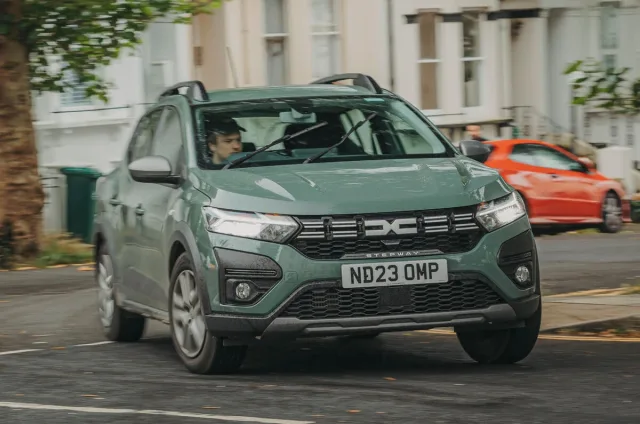
Найпопулярніші авто в Європі у 2024 році
- Dacia Sandero – 270 111 од.
- Renault Clio – 216 569 од.
- Volkswagen Golf – 216 549 од.
- Tesla Model Y – 210 484 од.
- Volkswagen T-Roc – 203 611 од.
- Peugeot 208 – 199 820 од.
- Volkswagen Tiguan – 195 297 од.
- Toyota Yaris Cross – 194 512 од.
- Skoda Octavia – 182 801 од.
- Toyota Yaris – 180 806 од.
Найпопулярніші авто в Україні у 2024 році
- Renault Duster – 6826 од.
- Toyota RAV4 – 4068 од.
- Mazda CX-5 – 1738 од.
- Kia Sportage – 1644 од.
- Volkswagen ID.4 – 1626 од.
- Hyundai Tucson – 1435 од.
- Škoda Octavia – 1415 од.
- Volkswagen Touareg – 1410 од.
- Škoda Kodiaq – 1406 од.
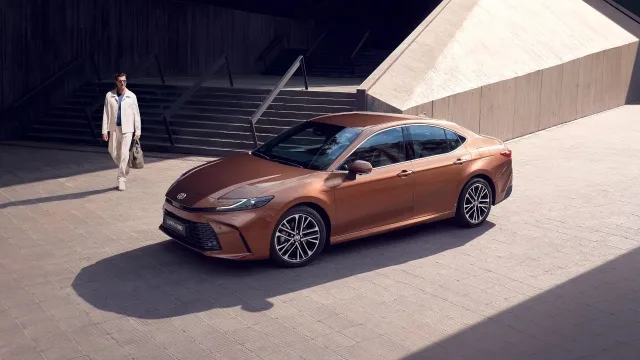
- Toyota Camry – 1291 од.
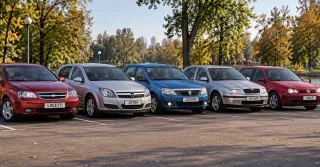
Придивіться до цих списків. У Європі – Dacia, Renault, Volkswagen, Peugeot. Це компактні, економічні та бюджетні автомобілі, які обирають пересічні громадяни для щоденного використання. І це логічно, адже європейці звикли до раціонального споживання, обираючи авто, які забезпечують баланс між ціною, витратами на паливо та експлуатацією.
В Україні ж ситуація дещо інша. Попри війну, ріст цін та економічні виклики, українці частіше купують дорогі кросовери та бізнес-седани. Більше того, у списку бестселерів є навіть преміальні моделі, як-от Volkswagen Touareg чи Toyota Camry. Це натякає на кілька цікавих тенденцій:
- Зміна купівельної спроможності. Середній клас в Україні скорочується, а залишки старої «середньої ланки» або виїхали за кордон, або втратили купівельну здатність. Водночас ті, хто має гроші, не економлять на авто.
- Популярність кросоверів. Українці традиційно віддають перевагу кросоверам, бо вони практичніші на наших дорогах, краще долають бездоріжжя та комфортніші для сімейного використання.
- Вплив корпоративних закупівель. Renault Duster лідирує не просто так – цю модель активно закуповують державні структури, волонтери та бізнес. Це дещо викривлює загальну картину, оскільки левова частка таких авто не є приватними покупками.
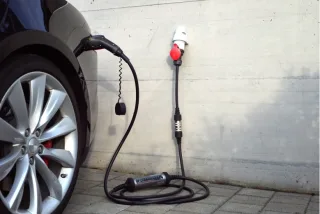
- Попит на електромобілі. У десятку лідерів потрапив Volkswagen ID.4 – один із найбільш популярних електрокросоверів у світі. Це свідчить про те, що навіть в умовах війни та енергетичних криз українці все більше звертають увагу на електротранспорт.
Українська автомобільна ментальність
Так чому ж українці купують дорожчі авто, ніж європейці? Можливо, це питання престижу. Для багатьох людей автомобіль залишається не просто засобом пересування, а й символом статусу. Європейці менше переймаються тим, яке авто вони водять, головне – щоб воно було економічним та практичним. Українці ж, навпаки, готові витрачати більше, щоб підкреслити свій соціальний статус.
Крім того, варто враховувати й інші аспекти:
- Бажання інвестувати в якісні речі. Через нестабільну ситуацію люди воліють витрачати гроші на щось матеріальне, що зберігає свою цінність, а не на абстрактні заощадження.
- Відсутність доступного довгострокового кредитування. В Європі більшість купує авто в кредит на вигідних умовах, тому часто вибирають бюджетні моделі, які легко виплатити. В Україні ж кредитні ставки високі, тож люди зазвичай купують авто за власні кошти, і якщо вже купують – то намагаються взяти щось краще.
- Інфляція і знецінення гривні. Гроші знецінюються, тому люди вкладають їх у реальні активи, зокрема автомобілі.

То що ж далі?
Виникає питання: чи деякі з нас живуть у паралельній реальності, чи ми просто жаліємось, а насправді можемо собі дозволити дорожчі авто, ніж більшість європейців? Чи, можливо, середній клас дійсно зникає, і залишається лише поділ на багатих і тих, хто ледве зводить кінці з кінцями? Це питання для дискусії, відповідь на яке не така очевидна. А що думаєте ви?