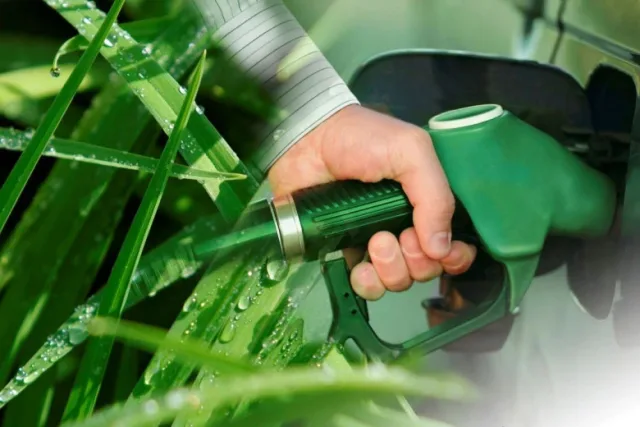
Експерт паливного ринку Сергій Куюн розклав усе по поличках — без зайвої істерики, але з долею тривоги.
"Немає сечі… Пекельні борошна… Засипали питаннями, що буде 1 травня, коли набуває чинності норма про обов’язковий продаж бензину з 5% біокомпоненту (надалі Е5), а точніше – з біоетанолом, або зневодненим спиртом?", - пише у себе в Facebook Сергій Куюн. Тож, стисло про найпопулярніші питання:
Навіщо це потрібно?
Мета нововведення багатогранна. Насамперед це крок до екологічності, адже біоетанол зменшує шкідливі викиди в атмосферу. Він є відновлювальним джерелом енергії, на відміну від традиційного пального. Також важливою є енергетична безпека — в умовах обмеженого доступу до нафти як в Україні, так і в Європі, біоетанол дозволяє частково зменшити залежність від імпорту.
Є й політичний мотив: як кандидат у члени ЄС, Україна має впроваджувати європейські стандарти. І, нарешті, чисто економічний інтерес — складна логістика експорту агропродукції змушує шукати альтернативи, тож переробка кукурудзи на біоспирт всередині країни виглядає привабливою.
Але є нюанс…
У Польщі на перехід до біопалива пішло 10 років. Нам дали… рік. І це в умовах війни.
Через ризик обстрілів нафтобаз (де мали би змішувати базовий бензин і спирт) більшість трейдерів везтимуть готовий Е5 із Європи. Результат — підтримуємо не вітчизняного спиртовика, а румунського чи німецького.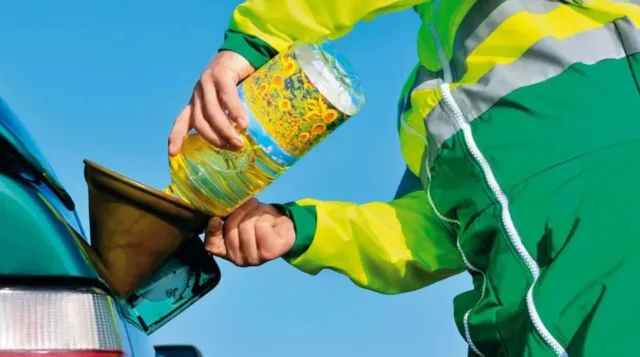
Що з ціною?
Біобензин дорожчий: європейці не виробляють Е5 як стандарт, у них Е10. Тож за спеціальне замовлення — доплата $15–25 за тонну (50–80 коп/л). Але на фоні падіння цін на нафту можливе загальне зниження вартості пального — до -3 грн/л. І тоді перехід на Е5 залишиться майже непомітним.
А чи не «помре» двигун?
Ні. Біоетанол — не отрута. В Європі він давно в обігу, і там їздять ті ж самі машини. Просто бензин тепер трохи «здоровіший» — майонез замінили на сметану. Але…
Біоетанол любить воду
Біда в тому, що етанол гігроскопічний — «всмоктує» вологу. Якщо в бензовозі чи резервуарі є хоч трохи підтоварної води — суміш може розшаруватися, втративши свої властивості. А далі — ремонти, прокльони і скарги.
Переходити на біобензини — це не просто змішати два компоненти. Це інша технологічна культура, інші вимоги до чистоти, контролю, персоналу. У великих мережах (ОККО, Amic, Укрнафта) вже почали чистити резервуари. А от що коїться у «ноунеймах» — питання відкрите.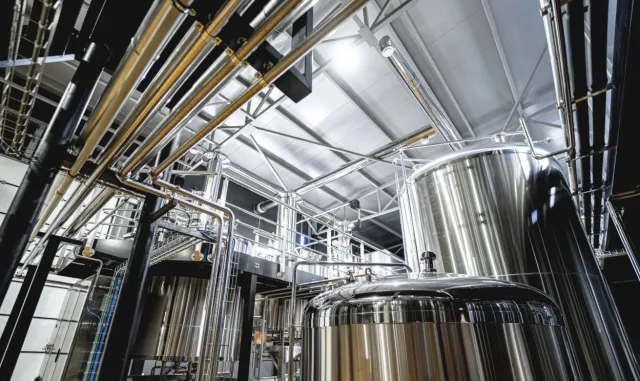
Перші два місяці — будуть гарячі
Травень і червень — це період перевірки на міцність. Експерт прогнозує сюрпризи й проблеми на АЗС, які не готові до нових умов.
Рекомендації
-
Не шукайте найнижчі ціни.
-
Обирайте перевірені мережі.
-
Економія може коштувати ремонту.
Перші партії Е5 вже везуть із Румунії та Німеччини. Як приживеться біобензин в українських умовах — дізнаємося зовсім скоро.