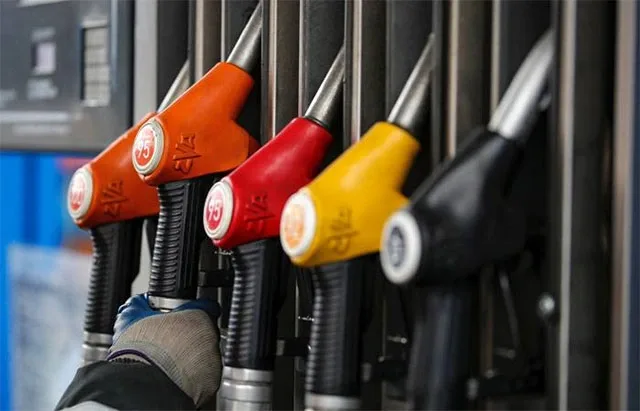
На альтернативные виды топлива или, как называют их в народе «спиртовые» бензины, еще несколько лет назад возлагались большие перспективы. Даже премиальные сети вводили у себя эти позиции, в частности, WOG. А «первопроходцами» в этом сегменте стала сеть автозаправочных комплексов БРСМ-НАФТА.
Причина была проста — автолюбители всегда хотят экономить. Разница достигала четырёх и более гривен на литре — серьёзный аргумент! Но с годами этот вид альтернативного топлива «не взлетел» — в основном из-за дефицита сырья и небольшого спроса многие сети отказались от продвижения данного продукта. Тем не менее, в текущий момент интерес к данному виду бензина снова возрос — всему виной стремительный рост цен на «традиционный» бензин и общее обеднение населения.
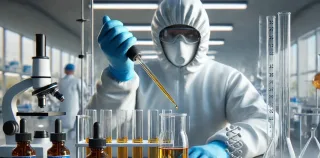
Сейчас разница в цене между «спиртовым» и обычным бензином может достигать и 8 гривен на литре. Поэтому снова возник вопрос, а как обстоит дело с качеством подобного топлива? Трейдеры производят его самостоятельно, поэтому определённые опасения есть. Это и стало поводом «взяться за канистры» в столичном Институте потребительских экспертиз.
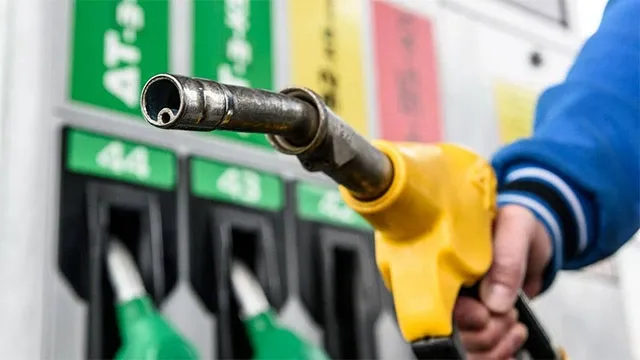
На данный момент подобное топливо экспертам удалось обнаружить только в четырех сетях – БРСМ-Нафта, Авиас, Моttо и региональной сети BVS. Результаты оказались не радужными – половина образцов оказались не «спиртовым» топливом, а какой-то смесью.
Сколько спирта?
Многие автомобилисты с недоверием относятся к биотопливу, мол, спирт – «это же вода». Этот расхожий стереотип не совсем соответствует действительности. В бензин добавляют не пищевой спирт, который с удовольствием «расходуют» наши организмы, а неочищенный, с большим количеством сивушных масел, обезвоженный и денатурированный бензином. «Это специальный технический спирт. Если топливо сделано по всем нормам и отвечает нормативам ДСТУ, этим топливом можно заправлять любой автомобиль и не беспокоиться, что он может сломаться», — говорит директор Института потребительских экспертиз Юрий Чорнобривец.
Лабораторные испытания начались с главного — с определения объемной доли спиртов, величина которой и обуславливает основные свойства спиртового топлива. Надо отметить, что спиртовое топливо делится на две категории — автобензин с содержанием биоэтанола не менее 30% относится к альтернативным топливам, если биоэтанола менее 30% — не являются альтернативным, а относятся к спиртовым по маркам Е5, Е7, Е10 (согласно Техническому регламенту) и эти марки бензинов нельзя путать с альтернативными топливами – они выпускаются по разным нормативным документам!
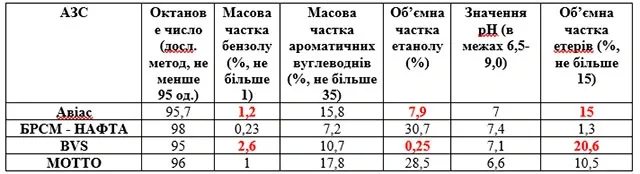
По итогам лабораторных испытаний, только образец, приобретённый на АЗК БРСМ-Нафта оказался альтернативными, с содержанием этанола 30,7 процента. Менее 30 процентов выявлено в образце Моttо, а в образцах с заправок Авиас и BVS этанола и вовсе почти не оказалось! Из чего же сделаны эти смеси, показали дальнейшее изучение состава.
Проверка октана
Обычно у альтернативных топлив присутствует изрядный запас по этому параметру. В этот раз этот показатель оказался высоким не у всех, хотя и нарушений не было обнаружено.
Этот показатель характеризует стойкость топлива к детонации — преждевременному сгоранию бензина в камере сгорания. Детонация вредна для мотора не только повышенным расходом топлива и снижением мощности, но и преждевременным износом двигателя из-за лишних нагрузок. Октановое число измеряли по исследовательскому методу. Самый высокий запас прочности оказался у топлива А-95Е Premium+ от сети БРСМ-нафта — 98 единиц! А вот Авиас, Мотто и BVS ограничились попаданием в норматив — 95,7, 96 и 95 единиц соответственно.
«При сгорании топлива выделяется избыточная энергия, когда сжигается бензин энергия переходит в тепловую энергию. КПД двигателя падает. Когда сжигается этанол, температура ниже и КПД двигателя увеличивается. Даже сокращается расход топлива. Так работают современные двигатели. Если мы поездим на европейских и американских двигателях увидим, что сама технология уже обязывает нас использовать такое топливо», — прокомментировал Евгений Лукашевич, основатель ЧОА «Украинская технологическая компания».
Бензол и ароматика
Как известно, бензол и ароматические углеводороды это вещества, которые могут нанести вред топливной системе и привести к ее преждевременному износу. Кроме того, не испаряясь целиком, бензол смывает масляную пленку в моторе, что приводит к повышенному износу цилиндров двигателя. Ну и конечно, они наносят вред окружающей среде.
Однако без ароматических углеводородов невозможно производить качественный бензин, поскольку ароматика — это процессы вторичной переработки нефти, которые дают высокооктановый компонент. Отрицательные стороны, это негативное влияние на окружающую среду, поэтому содержание этих компонентов ограничивают в нормативных документах. В альтернативных бензинах за счёт 30-процентного содержания биоэтанола, содержание ароматических углеводородов можно сократить, так как спирт имеет большое октановое число. «Первое преимущество альтернативного топлива — энергетическая безопасность. Второе — здоровье людей. Добавление этанола в бензин повышает качество топлива с точки зрения выхлопа продуктов, сокращается выброс диоксинов и канцерогенов. Третье — при производстве биоэтанола производятся корма, это продовольственная безопасность. Четвертая — перспективы наращивания производства сырья: кукурузы, пшеницы, буряка», — говорит Евгений Лукашевич.
Спиртовые бензины производятся по ТУ, поэтому производитель сам определяет граничные количества этих веществ, например, того же бензола. Поэтому оценивали по фактическому содержанию, с оглядкой на ДСТУ для улучшенного «девяносто пятого», который не допускает содержание бензола больше 1%. Практическое отсутствие этого вредного вещества (0,23%) оказалось в образце БРСМ-нафта. Отличный результат! А вот у коллег не все так радужно. У Авиас содержание бензола 1,2 %, что превышает требования ДСТУ, а у BVS и вовсе 2,6 %. Такое количество уже может нанести серьезный вред двигателю.
Коррозия не пройдет
Одним из самых важных эксплуатационных показателей спиртового топлива является коррозионная активность. Дело в том, что спирт является сильным растворителем и разъедает резиновые и пластиковые детали топливной системы. Чтобы этого избежать, в состав биотоплива нужно вводить специальную присадку, повышающую значение кислотного параметра pH. В целом, этот показатель должен быть от 6 до 9 единиц. Все участники справились с этим тестом, а самое высокое значение (7,4 единицы) было обнаружено в пробе топлива А-95Е Premium+ от сети БРСМ-нафта. Такие показатели говорят о том, что по своим антикоррозионным свойствам спиртовой бензин практически не отличается от обычного бензина и является безвредным для резинотехнических деталей двигателя.
Объёмная часть эфиров
После того, как в лаборатории определили, что два образца (Авиас и BVS), не являются «спиртовыми», был проверен уровень содержания эфиров, кислородсодержащих присадок. Анализ показал, что топливо из этих двух сетей состоит из соответственно 15 и 20,6 процентов этого компонента. Добавление такого количества кислородсодержащих компонентов приводит к ухудшению теплотворной способности топлива, что приведет в конечном итоге к замедленной динамике авто и большему расходу топлива.
Итоги и мировой опыт
Результаты показали, что заправляться «спиртовым» или «альтернативным» бензином без риска для собственного автомобиля можно и нужно. Важно внимательно подходить к выбору продавцов такого топлива. Ведь производят его самостоятельно, и понять, из чего оно состоит, можно только лабораторным путём. Если же надежный продавец найден, за качество бензина, расход топлива и состояние автомобиля можно не беспокоиться.
«Спиртовой бензин, как известно, имеет определенные моющие свойства. С первыми заморозками у меня этой проблемы словно не бывало: никаких дабл стартов, всё в порядке. Лёгкий всегда надёжный пуск даже в морозную погоду, лёгкая нормальная работа двигателя. На сервисе смотрели свечи, состояние фильтров — всё гораздо лучше, чем при использовании обычного бензина», — рассказывает автоэксперт, замредактора журнала «За рулём» Ярослав Масковка, который уже 3 года заправляется «спиртовым бензином».
Раз у альтернативного топлива столько преимуществ, почему оно до сих пор не стало лидером продаж в Украине? Эксперты называют несколько причин: не все водители о нём знают, не во всех розничных сетях его можно купить. Кроме того, биоэтанол в нашей стране стал страшилкой и окутан мифами. А пока на украинском рынке продолжают дебаты о том, вреден ли он или полезен, мир давно ушёл вперёд. В Бразилии 50% авто ездят на чистом биоэтаноле, остальные — имеют 27%. Вся Европа добавляет уже добавляет в бензин 10% спирта и намерена увеличить содержание до 14% в 2030 году. Китай остановил дотации в производство электрокаров и закупил у Украины 6 млн тонн кукурузы для собственного производства биоэтанола. Для этих целей в КНР построили самый большой в мире биоэтанольный завод в мире. Страна третья после США и Бразилии по объемам производства и потребления биоэтанола.
«Только в Украине эта история интенсивно блокируется фейками и разными глупостями о том, что биоэтанол это плохо. 85% европейского бензина — бензин с добавлением биоэтанола. Бразильцы ещё в 1976 году, когда все двигатели были на карбюраторах, ввели обязательное добавление 11%. Как результат с 1976 по 2000 годы только на импорте нефти они сэкономили больше 90 млрд долларов. Для Украины это золотое дно», — говорит Тарас Николаенко, исполнительный директор Украинской ассоциации производителей биоэтанола.
Дмитрий Сысоев.