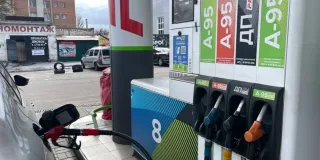
As it turned out, a much more serious blow to the fuel market was dealt not by the revolutionary situation with blocked roads and checkpoints, but by fluctuations in the national currency exchange rate. Market participants, fearing losses, are reducing fuel purchases, while the National Bank, in turn, introduces restrictions on the purchase of foreign currency.
As a result, oil product reserves have decreased by a quarter, which is a very alarming signal. According to experts, only a fuel shortage could be worse than rising prices.
According to the consulting group "A-95", in February the volume of A-95 gasoline imports amounted to 203 thousand tons, which is 70 thousand tons less compared to the same period last year. Diesel fuel supplies in February 2014 reached 289 thousand tons, falling short of last year's figure by 83 thousand tons. At the same time, Ukraine's average monthly needs are about 300–350 thousand tons of gasoline or diesel fuel.
At the same time, UPECO analyst Oleksandr Sirenko notes that the current reduction in supplies is not as critical as it might seem. The drop in fuel demand in late February – early March is due both to higher prices and to the fact that the population managed to create a certain reserve of fuel during the panic that began in the twenties of February.
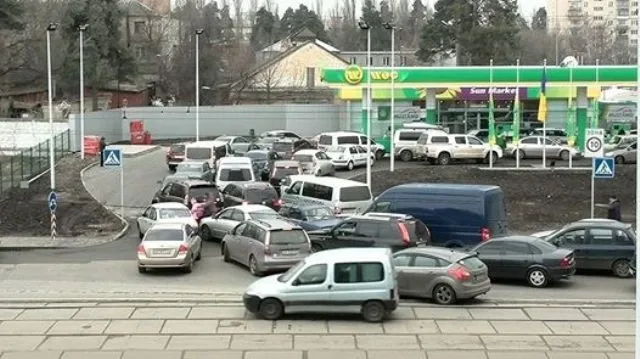
According to his expectations, after the stabilization of the exchange rate, which can already be observed, fuel imports will return to previous volumes, and reserves will be restored.