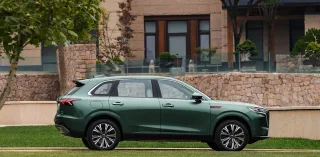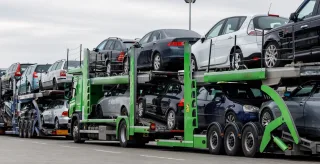
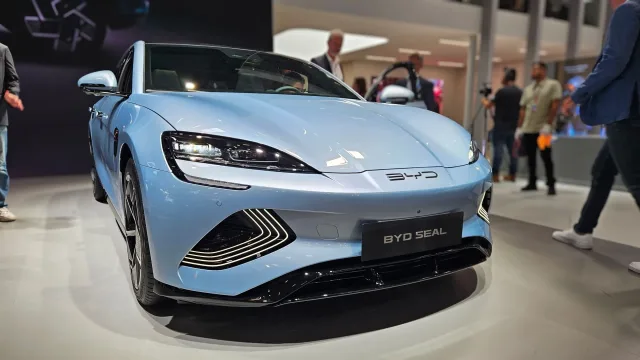
The world's largest electric vehicle manufacturer BYD sold 441,706 cars in October, which is 12% less than in the same period last year. This is the second consecutive month the company has recorded a decline in sales. As a result, BYD lost its leadership in the domestic Chinese market — it was overtaken by the state-owned concern SAIC Motor, which sold 453,978 vehicles. After the release of these data, BYD's quotes fell by almost 2% and dropped to the lowest level in the last nine months.
Despite the difficulties, the company does not abandon its plan to reach an annual figure of 4.6 million cars. However, to do this, it needs to sell more than 450 thousand cars every month, and given the intensifying competition and weaker demand, this is becoming an increasingly difficult task.
While BYD is looking for new sales markets, in particular in Europe and Ukraine, other Chinese manufacturers are showing growth. Geely, Xpeng, Leapmotor, and even Xiaomi updated their sales records in October. In contrast, Li Auto reports a fifth consecutive decline in indicators.
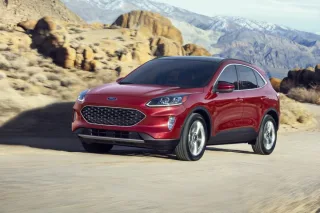
A similar picture is observed in the USA: after the cancellation of tax benefits for electric vehicles (subsidies reached 7,500 dollars), demand dropped significantly. Ford reduced electric car sales by 25%, Hyundai and KIA lost from 52% to 71%, and Toyota sold only 18 electric bZ4X SUVs, while a year ago this figure exceeded 1,400 units.
According to analysts, the previous surge in sales was largely artificial — buyers were in a hurry to take advantage of government support programs. Now most automakers are reorienting to hybrids: at Hyundai, for example, sales of such models increased by 41%, while electric cars lost more than half of their volumes.
Experts call the current period a turning point. The industry has developed for a long time thanks to benefits and favorable loans, but now further growth will depend on other factors — more affordable prices, quality, and reliability of cars.