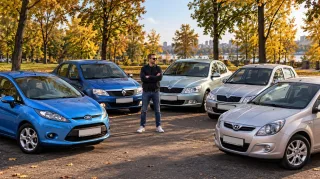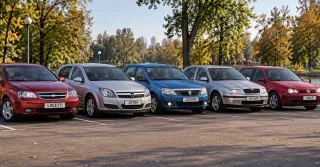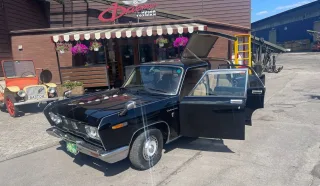

Today, the vast majority of passenger cars on the Ukrainian market have an average age of over 16 years. That is, if a car is sold domestically, it most likely rolled off the assembly line in the first half of the 2000s. Often, this is a vehicle lacking modern safety systems, with outdated emission standards, and a noticeable appetite for fuel. Despite this, such cars remain the only realistic option for many Ukrainians due to their low cost.
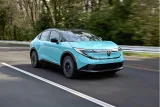
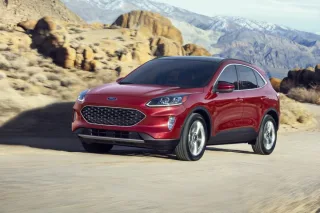
Imported used cars look much fresher against this backdrop. Their average age is 9.6 years, which is significantly closer to the average European indicators. Mostly, these are cars from Western European countries that meet Euro-5 or even Euro-6 standards. Despite considerable mileage, they outperform local "veterans" both in terms of equipment level and technical condition.
This situation has arisen not only due to demand. Regulatory changes also played a role: after the introduction of stricter environmental requirements and a revision of excise rates, importing very old cars became simply unprofitable. So now, more often, used cars with lower age and less wear cross the border.
We must not forget about the buyers themselves, who consciously choose cars with lower fuel consumption, better passenger protection, and a more modern look. For them, an imported car that has not yet turned into a classic is an opportunity to get a higher-quality vehicle without overpaying.
So, the main conclusion is this: the Ukrainian car fleet is getting younger mostly thanks to cars imported from abroad. The domestic market still remains a place where old proven models with a long history dominate, but it is the "fresh" European foreign cars that are gradually displacing the oldest examples and shaping a new reality on the roads.