Сразу же отметим: в инструкциях по эксплуатации многих современных автомобилей написано: «автомобиль обкатки не требует». Но вот стоит ли этому верить - попробуем разобраться.
Для чего была нужна обкатка автомобиля
Со времен появления автомобиля, двигатели, коробка передач, элементы ходовой и т.д. и т.п. нуждались в длительной и утомительной процедуре обкатки. Отличаясь деталями, в общих чертах эта процедура сводилась к тому, что первые 5-10 тысяч километров пробега водителю категорически запрещалось резко ускоряться, резко тормозить, переключаться на высшую передачу, ездить в гору и по кочкам, предписывалось менять масло чуть ли не через каждую тысячу километров и многое другое.
Все это делалось для того, чтобы приработались все трущиеся поверхности деталей автомобиля, а, появившаяся в результате этого металлическая стружка, была вымыта заменяемым маслом.
Так как «притирка деталей» сопровождается повышенным нагревом, автомобиль должен работать в условиях низких нагрузок и малых скоростей.
Нужна ли обкатка сейчас
Технический прогресс не стоит на месте, и со временем детали автомобилей начали изготавливать с все уменьшающимися допусками и высокими классами точности.
Более того, стали использовать такую процедуру, как «холодная обкатка двигателя», «горячая обкатка».
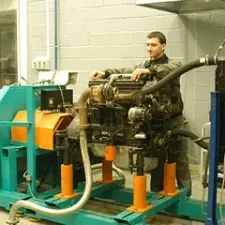
Обкатка выполняется на специальных станках заводом-изготовителем. К двигателю подводят масло, охлаждающую жидкость, топливо. Для каждой модели двигателя установлены свои режимы, в процессе обкатки постепенно увеличивается нагрузка на прирабатываемые детали.
Холодную обкатку также проводят после капитального ремонта двигателя.
«Гаражный» вариант проведения этой процедуры выглядит следующим образом:
Повышение класса точности деталей, повышение культуры производства, дополнительные технологические процедуры - все это и привело к появлению в инструкциях по эксплуатации надписи «автомобиль обкатки не требует». И это было бы действительно так, если бы не несколько «но».
В настоящее время детали автомобилей изготавливают не только на заводах автомобильных брендов. Этим занимается огромное количество подрядчиков в разных уголках мира, а у них - есть свои подрядчики. При сборке, бренды, конечно же, контролируют качество, но серийность производства накладывает свои ограничения. А, как известно, чем длиннее цепочка - тем вероятнее ошибка («испорченный телефон» помните?).
А еще при сборке в двигатель могла попасть мельчайшая пыль.
Высокая культура производства автомобилей немецких, японских брендов сводит эту вероятность к ничтожному значению. Но она все равно остается.
К тому же в обкатке нуждается не только двигатель автомобиля - обкатки требуют даже шины, тормозные колодки и т.п.
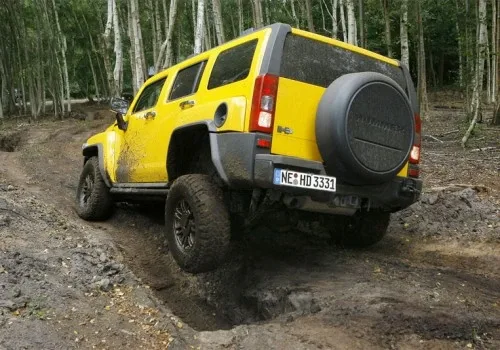
В качестве аргументов в пользу обкатки процитируем несколько инструкций по эксплуатации:
Hyundai
Чтобы продлить срок службы Вашего автомобиля, рекомендуется соблюдать следующие меры предосторожности:
Первые 300 км: избегайте резких торможений.
Первые 1000 км:
- избегайте превышения скоростного режима управления автомобилем.
- избегайте резких ускорений.
- не ездите постоянно на пониженных передачах.
- не ездите с постоянной скоростью в течение длительного времени.
Opel Astra G
Для того чтобы обеспечить надежность и долговечность автомобиля в эксплуатации, на протяжении первых 600 км пробега необходимо придерживаться следующих правил:
- Не трогайтесь с места на полном газу, избегайте резких разгонов.
- Не тормозите слишком резко. Нормальная приработка новых тормозных колодок происходит на протяжении пробега в 300 км, в течение которого следует, по возможности, тормозить плавно и со средней интенсивностью.
- После ремонта или замены двигателя, а также после замены тормозных колодок необходимо соблюдать аналогичные ограничения и рекомендации.
Особенно строги рекомендации для BMW:
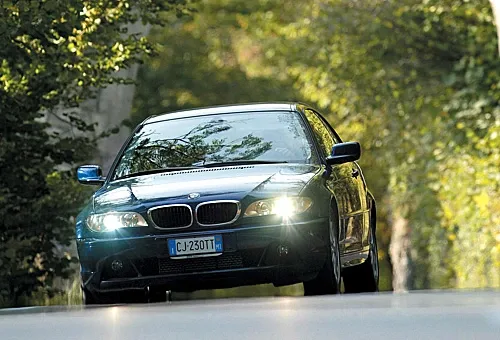
BMW 3-я серия E46 (с 1998 года выпуска)
Придерживайтесь приведенных ниже рекомендаций, чтобы способствовать продлению срока службы и обеспечить экономичность Вашего автомобиля.
Двигатель и редуктор заднего моста
Пробег до 2000 км
Обороты двигателя и скорость могут быть различны, но их значения не должны выходить за следующие пределы:
Автомобили с бензиновыми двигателями:
4-цилиндровые: 4500 об/мин, 150 км/ч
6-цилиндровые: 4500 об/мин, 160 км/ч
Автомобили с дизельными двигателями: 3500 об/мин, 150 км/ч
Не допускайте нажатия педали акселератора до положения, соответствующего полному открытию дроссельной заслонки или режиму максимального ускорения.
После пробега первых 2000 км можно постепенно наращивать обороты и скорость.
Правила обкатки должны соблюдаться и в том случае, если в процессе последующей эксплуатации будет заменен двигатель или редуктор заднего моста.
Шины
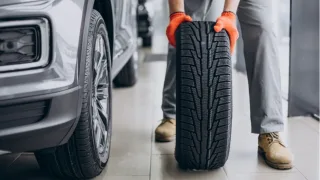
Технология изготовления шин не гарантирует оптимального сцепления новых покрышек с дорогой. Поэтому на протяжении первых 300 км рекомендуется двигаться более сдержанно.
Тормозная система
Оптимальная приработка и восприятие нагрузок тормозными колодками и дисками достигается лишь после пробега, составляющего приблизительно 500 км.
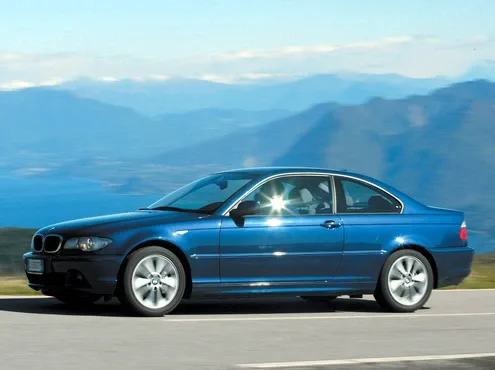
Что же получается - даже в BMW не уверены в качестве своих автомобилей? А те производители, которые пишут «автомобиль в обкатке не нуждается», мягко говоря, лукавят?
Как все происходит на самом деле
А на самом деле - все сложнее. И BMW уверены в качестве (но при этом предлагают обкатывать авто), и фраза «в обкатке не нуждается» - тоже правомерна.
Дело в том, что классическая обкатка авто, которая была необходима во времена Советского Союза, действительно ушла в прошлое. Уже нет необходимости менять масло каждую тысячу километров (достаточно пройти «нулевое ТО»), нет необходимости сдерживать себя в желании переключиться на высшую передачу и т.п.
Такая обкатка уже не нужна. Современное оборудование позволяет производить сопрягающиеся пары деталей такого качества, которое позволяет обходиться двигателю без обкатки. И производители, использующие такое оборудование, могут не бояться за свои авто.
Тем не менее, даже они советуют эксплуатировать автомобиль в щадящем режиме (что и отражено в приведенных выше цитатах).
А вот нужна ли полноценная обкатка для автомобилей, при изготовлении которых использовали менее точное оборудование (бренды называть не будем) - вопрос остается открытым.
Поэтому приведем несколько общих правил обкатки авто.
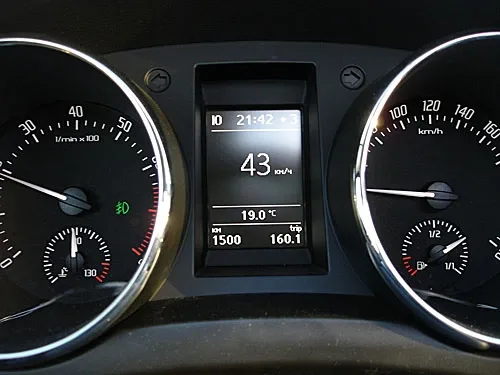
Правила обкатки автомобиля
- Обязательно нужно прогревать двигатель (минимум - 4-5 минут на холостом ходу).
- Не следует резко стартовать, резко тормозить, перегружать автомобиль, ездить по бездорожью, в гору, тормозить двигателем.
- Не следует превышать скорость в 100-110 км/ч.
- Нельзя долгое время двигаться на одной скорости (двигатель должен менять режимы работы).
- Двигатель должен работать на оптимальных для него оборотах (см. инструкцию по эксплуатации).
- С коробкой передач, сцеплением нужно обходиться очень аккуратно.
- Все вышеперечисленное следует соблюдать как минимум первые 1,5-2 тыс. км.
- Обязательно нужно провести «нулевое ТО» на котором заменят масло и фильтры.
Нужно отметить, что для европейских машин в Европе часто не назначают «нулевое ТО», а предлагают приехать сразу на первое ТО - через 15 или 20 тыс. км. К тому же еще и увеличивают периодичность замены масла до 20-25 тыс. км.
Все это связано как с уверенностью в качестве авто, так и с уверенностью в качестве масла, топлива, более щадящими условиями эксплуатации. В наших же реалиях все-таки нужна большая осторожность.
Итог
Европейские и японские авто в обкатке практически не нуждаются - достаточно соблюдать щадящий режим, прописанный в руководстве по эксплуатации.
Даже если в руководстве по эксплуатации написано, что «автомобиль в обкатке не нуждается» - все равно первую тысячу километров эксплуатируйте авто в щадящем режиме.
Необходимость в обкатке прямо пропорциональна качеству изготовления автомобиля. И если для автомобиля ненадлежащего качества не провести обкатку - ничего хорошего не будет.