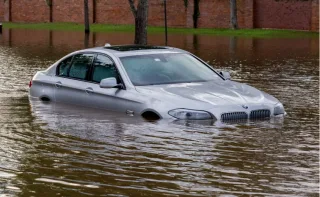
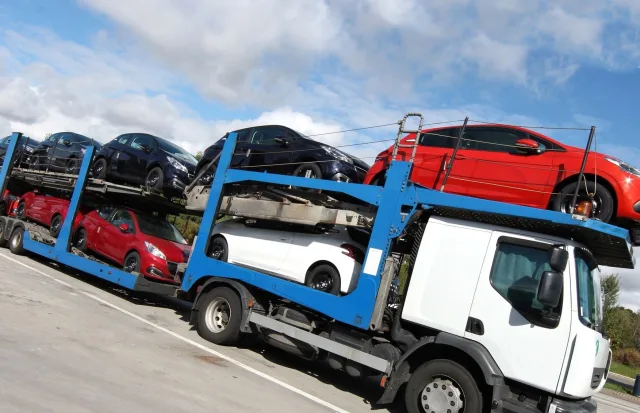
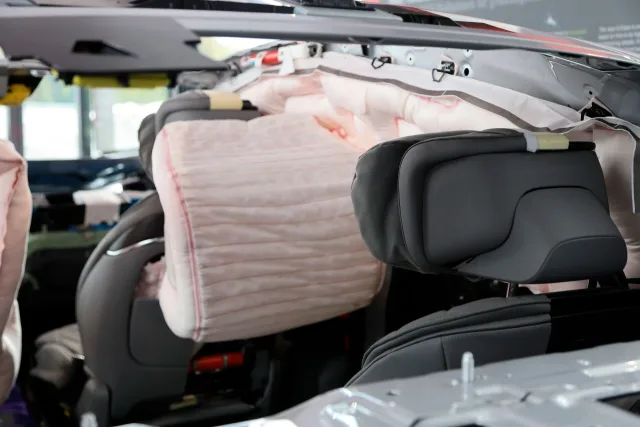
Організована група з 2020 року завезла близько 16 тисяч авто зі США та Канади. Частина з них мала серйозні пошкодження, а подекуди замість подушок безпеки вмонтовували... клапті тканини.
Правоохоронці Литви та Німеччини повідомили, що злочинці ухилилися від сплати податків на суму понад 31 мільйон євро. Значна кількість авто проходила поверхневий ремонт і потрапляла на ринки Східної Європи, де попит на дешеві машини традиційно високий.
Популярні афери: як обманюють покупців
Згідно з даними одного з популярних сервісів перевірки історії авто, схеми з сумнівним імпортом особливо активні у країнах з непрозорим ринком. Україна, Латвія, Литва, Румунія та Естонія потрапляють до п’ятірки лідерів за кількістю порушень: скручений пробіг, приховані пошкодження, «перемиті» документи.
В Україні автомобілі з Європи користуються величезним попитом, особливо ті, що нібито мають мінімальний пробіг і безаварійну історію. Нерідко покупцям демонструють “ідеальні” машини з німецькими чи швейцарськими номерами, які виявляються відновленими після серйозних ДТП або з багаторічною експлуатацією в службах таксі. Відсутність доступу до повної історії авто дає нечесним продавцям простір для маніпуляцій.
Окрему небезпеку становлять авто зі США: близько 7% усіх вживаних авто в Європі — саме звідти, і переважно це машини після ДТП, які купують на страхових аукціонах, ремонтують із мінімальними витратами і продають за “смачною” ціною.
Скручений пробіг — мільярдні втрати
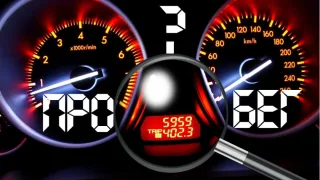
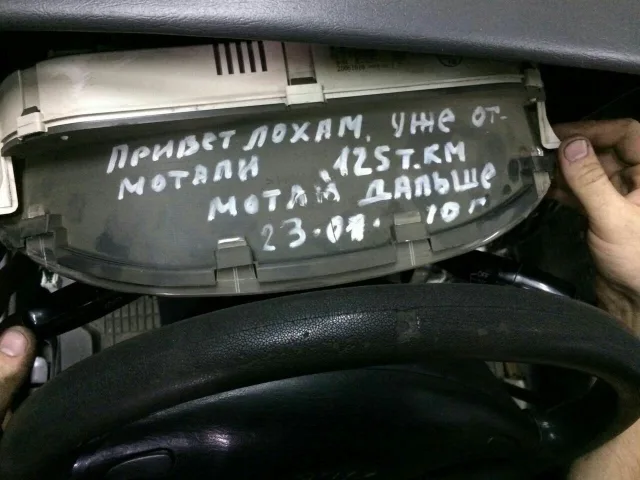
За оцінками експертів, щорічно через махінації з одометрами Європа втрачає понад 5 мільярдів євро. Найбільших збитків зазнають Великобританія, Франція і Німеччина. Скручування пробігу залишається вигідним “ремеслом”, особливо у країнах, де покупці не мають доступу до повної історії транспортного засобу.
Реальна перевірка історії авто ускладнюється — ключові дані (пробіг, ДТП, кількість власників) часто зберігаються в закритих національних чи приватних базах.
Як не потрапити на гачок?
Перш ніж купувати авто, обов’язково перевіряй його за VIN-кодом через надійний сервіс, що має доступ до міжнародних баз. Рапорт з інформацією про попередні пошкодження та ремонти можна показати майстру перед оглядом — це допоможе уникнути небезпечних покупок.