Этой статьей АвтоПортал продолжает серию материалов о выборе и покупке подержанных автомобилей. С каталогом подержанных авто вы можете ознакомиться на наших страницах, перейдя в раздел "Б/У авто".
Описание
- Тип кузова компактвен
- Дверей/мест 5/5
- Габариты, Длина/Ширина/Высота, мм 4465/1800/1670
- База, мм 2705
- Масса снаряженная/полная, кг 1430/2075
- Объем багажника, л 140/645/1820
- Объем бака, л 58
- Двигатели
- Бензиновый 4-цилиндровый: 1,6 л 16V (115 л. с.), 1,8 л 16V (140 л. с.), 2,0 л 16V Turbo (200 л. с.), 2,2 л 16V (150 л. с.)
- Дизельный 4-цилиндровый: 1,7 л 16V Turbo (110/125 л. с.), 1,9 л 16V Turbo (120/150 л. с.),
- Тип привода передний
- КПП 5- и 6-ст. механическая или 4-ст. автоматическая
- Тормоза передние/задние дисковые вентилируемые/дисковые
- Подвеска передняя/задняя независимая/полузависисмая
История
- 03.2005 Представлен Opel Zafira (В).
- 08.2008 Рестайлинг модели.
- 09.2011 Смена поколений – третья генерация Opel Zafira Tourer (С).
- 08.2012 Продажи Zafira (В) в Украине продолжаются.
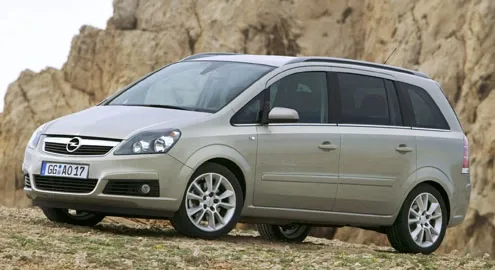
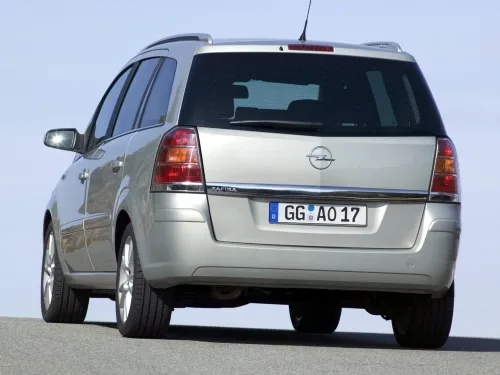
Второе поколение Opel Zafira было представлено весной 2005 года. Автомобиль построили на новой платформе, он отличался посвежевшим дизайном кузова и все также мог перевозить до семи пассажиров на трех рядах сидений. Похоже, при создании второго поколения Opel Zafira немцы следовали исконному «не навреди»: новая модель, в отличие от предшественницы, революционными идеями не порадовала.
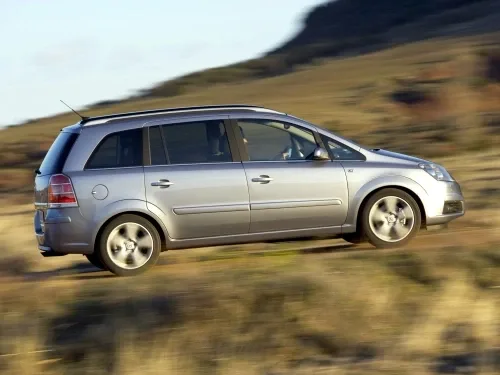
Но если «первая» Zafira при всей своей утилитарности и универсальности воспринималась лишь как Astra с высоким кузовом, то второе поколение, несмотря на общую платформу с Astra Н/С, выглядит массивнее, монументальнее и не вызывает подобных ассоциаций. Спустя три года последовала модернизация модели, которая, впрочем, свелась к косметическим изменениям в дизайне и интерьере.
Кузов
Новое поколение машин для российского рынка производилось в Польше или России (Калининград), что не очень хорошо сказалось на качестве покраски и сборки. К примеру, частой болезнью Зафир Б, особенно первых лет выпуска была коррозия нижней кромки задней двери.
Особого внимания заслуживает тот факт, что Zafira получила максимально высокую оценку в пять звезд в краш-тестах Euro NCAP.
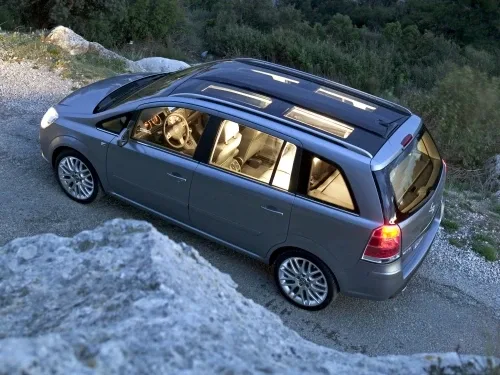
Основные недостатки и просчеты проявили себя практически сразу: широкие передние стойки, мешающие при повороте, маленькие боковые зеркала, постоянно загрязняющаяся пятая дверь, «губа» переднего бампера, страдающая от бордюров и высокого снега. Но это все мелочи с которыми можно мириться.
Салон
Zafira отличается "граненым" интерьером: с качеством сборки все в порядке, но стиль "холодноват". Отделка салона и новое решение центральной консоли с вынесенным вверх рычагом переключения передач обеспечивают отличную эргономику.
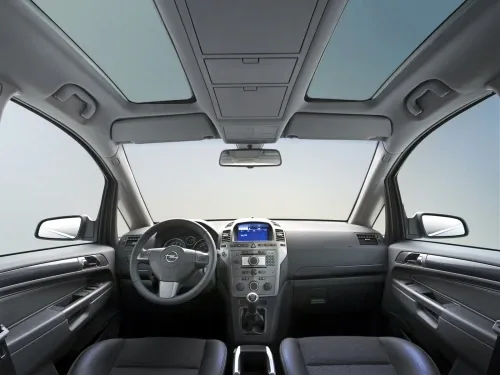
Увеличилось, особенно после небольшого рестайлинга в 2008 году, количество опций:
- в штатной комплектации появились адаптивные биксеноновые фары,
- система напоминания о непристегнутом ремне безопасности,
- складной ключ зажигания,
- новый графический дисплей бортового компьютера, датчики света и дождя,
- наружные зеркала с электрическим складыванием,
- парктроник,
- новая магнитола,
- панорамная крыша.
В свое время Zafira первого поколения произвела фурор, предложив семь посадочных мест. Эта концепция была сохранена и в следующем поколении модели, что можно считать как преимуществом, так и недостатком. Почему? Во всех манипуляциях с откидными сиденьями третьего ряда задействован диван с неразрезной подушкой и откидываемой по частям спинкой. Так, чтобы пропустить назад одного пассажира, беспокоить придется всех пассажиров второго ряда. В идеале они и вовсе должны выйти: нужно отодвинуть диван вперед и откинуть ближайшую к дверному проему часть спинки - только так будет получен более-менее сносный доступ к третьему ряду.
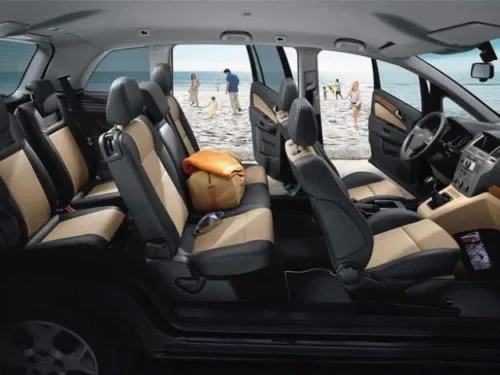
Кроме того, "цельный" диван среднего ряда пусть и функционален (все три части его спинки регулируются по углу наклона, а узкий центральный сектор превращается в многофункциональный подлокотник), но все же не так удобен, как три раздельных кресла. А вот низко расположенные сиденья третьего ряда будут удобны разве что для детей. Впрочем, большинство владельцев Zafira признаются, что пользуются ими исключительно редко.
Объем багажника Zafira II напрямую зависит от того, сколько пассажирских мест вы используете. В максимальном семиместном варианте для багажа остается всего ничего места, буквально для пары сумок.
А вот в пятиместном – гораздо больше! Причем багажник в этом варианте имеет правильную прямоугольную форму и вообще удобен: погрузочная высота, несмотря на сложенные в «подполье» кресла третьего ряда, очень небольшая. Если же поднять подушку дивана и отодвинуть его вперед, можно получить до 1800 л полезного объема!
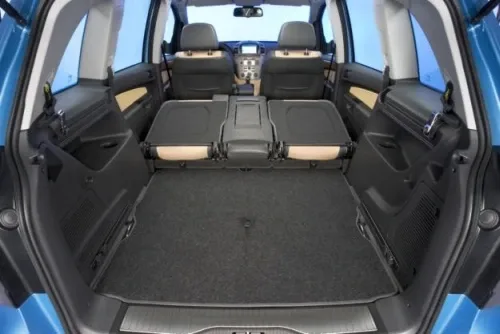
Ну а полностью сложенные пассажирские кресла образуют и вовсе «вагон» – можно перевозить длинномеры или, скажем, двухкамерный холодильник.
Двигатели
Изначально линейка двигателей включала в себе следующие моторы: бензиновые 1.6 (105 л.с.), 1.8 (140 л.с.), 2.2 с непосредственным впрыском топлива (140 л.с.), турбированный 2.0 (200 л.с.) и его форсированная до 240 л.с. версия для модификации OPC. К дизельным относились следующие версии: 1.7 CDTi (100, 120 и 150 л.с.), а также 2,2-литровый CDTi (125 л.с.)
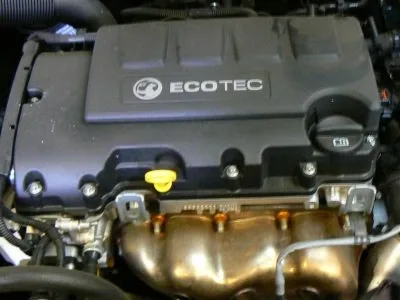
Как и полагается современным автомобилям, Zafira оснащались двигателями, подготовленными для выполнения современных же норм токсичности выхлопных газов. Что такие моторы требовательны к качеству горюче-смазочных материалов и нуждаются в своевременном и квалифицированном обслуживании, думается, известно всем.
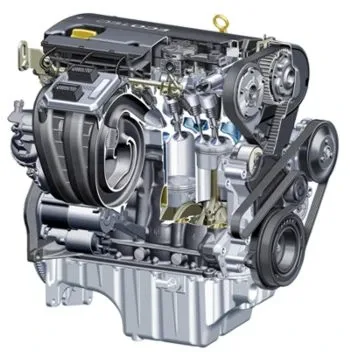
На какой из модификаций Zafira, остановить выбор, чтобы не стать постоянным клиентом СТО, большой разницы нет - при соблюдении правил эксплуатации более-менее надежной работы можно ожидать ото всех. Тем, кому интересны только дизели, стоит знать, что на Zafira в первые годы выпуска еще устанавливался перешедший по наследству от предшественницы неплохо зарекомендовавший себя турбодизель 2,2 л. У дизелей с системой непосредственного впрыска топлива Common Rail проблемы с нашей «соляркой» такие же, как и у всех остальных.
В 2008-м была пересмотрена гамма моторов. В частности, появилась новая версия бензинового двигателя 1,6 л, мощность которого была увеличена до 115 л.с., а экономичность улучшена. Кроме того, для Zafira предложили два новых турбодизельных мотора 1.7 CDTi мощностью 110 и 125 л.с.
Наряду с традиционными бензиновыми и дизельными модификациями существовали еще и заводская «газовая» версия - 1.6 (97 л.с.). Причем почти одинаково часто встречаются работающие как на сжатом, так и на сжиженном газе.
Трансмиссия
Классический «автомат» предлагали только в максимальной комплектации с двигателем 2,2 литра. В остальных случаях покупатель должен делать выбор между стандартной механической или «туповатой» роботизированной коробками. Видимо по этому, большинство все-таки выбрало «механику», а на «автомат» пришлось считанные проценты продаж. После рестайлинга Зафиры в 2008г из-за малого спроса двигатели объемом 2,2 литра исчезли из-прайс-листов. Соответственно, «автомат» для Зафиры стал недоступен в принципе.
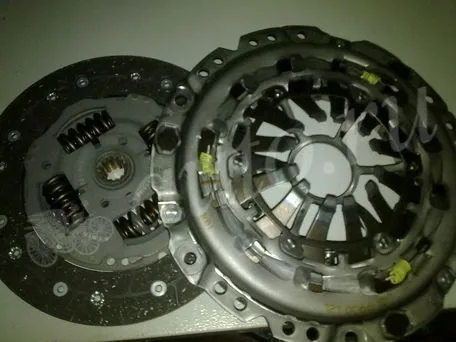
На версиях с МКП недешево в ремонте сцепление, а износ его деталей запрограммирован принципом работы сцепления, поэтому вероятность, что ремонт потребуется, высока.
Непредсказуема надежность ступичных подшипников, так как вывести их из строя можно одним сильным ударом, неаккуратно въехав на скорости в какую-нибудь яму. Меняются же подшипники вместе со ступицами, то есть опять-таки недешевый ремонт обеспечен.
От приобретения Zafira с роботизированной коробкой Easytronic (это возможно для версии с бензиновым двигателем 1,8 л) мы бы порекомендовали воздержаться.
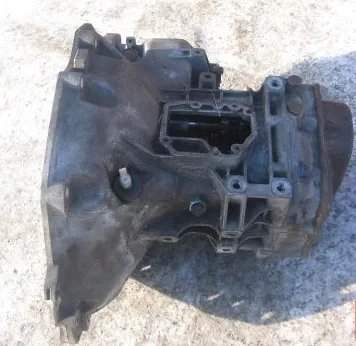
Несмотря на наличие всего двух педалей в салоне, суть коробки механическая и управляется электронной системой при помощи двух приводов. Один привод включает и выключает сцепление, другой переключает передачи. Именно эти приводы и нуждаются в периодической регулировке. Процедура сама по себе несложная и недорогая, но здесь ключевое слово “периодически”: по словам владельцев, одного раза в 25-30 тысяч км достаточно. Однако стоит помнить, что при езде с такой КПП есть нюансы: при кратковременной остановке (например, на светофоре) рычаг необходимо переводить на “нейтраль” - в противном случае ускоренный износ диска сцепления обеспечен. Также противопоказаны пробуксовки, да и выехать “в раскачку” из грязи не получится.
Ходовая часть
В свое время Zafira была чудо как хороша - не зря же доводкой управляемости первого поколения занимались специалисты Porsche! Именно поэтому на трассе вы управляете не просто хорошим немецким минивэном, а минивэном с азартным характером!
Zafira на городских скоростях не так интересна: в ней чувствуются габариты и вес, сама она с места водителя кажется больше, контролировать ее в дворовых толкучках несколько сложнее. Зато на трассе - привет от Porsche! В колее или на неровной дороге, Zafira, что называется, еще только "входит во вкус". Ее коронный номер - скоростные виражи на 100-120 км/ч, которые она проходит с невероятной для такой компоновки устойчивостью. Причем чем больше загрузка, тем интереснее становится управляемость.
А для обеспечения безопасности и уверенности при вождении система интерактивного управления IDS координирует работу различных систем активной безопасности, таких как антиблокировочная тормозная система, система противодействия боковому скольжению в поворотах и система динамической стабилизации.
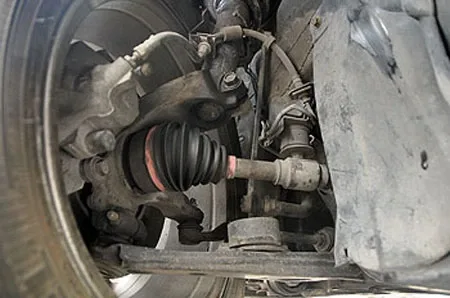
Конструктивно подвеска Zafira проста и ремонтопригодна. Спереди - однорычажка, где шаровую опору можно поменять отдельно от рычага. Шаровая опора к рычагу передней подвески Zafira крепится заклепками. При замене опоры после удаления заклепок новый шарнир можно прикрепить болтами.
Правда, бывать в ремонтах передней подвески Zafira может чаще из-за менее долговечных стоек стабилизатора (их прогнозный ресурс - 30-50 тыс. км но цена стоек невелика, а работа по замене нетрудоемкая).
Задняя подвеска - простенькая балка. Она достаточно вынослива и часто напоминать о необходимости ремонтов не должна.
Цены на запчасти и обслуживание
Проблем с содержанием Zafira нет. Запчасти есть в наличии и на любой вкус. Конструктивно автомобиль не самый сложный и многие операции можно проделывать самостоятельно.
Касательно разборок - все несколько сложнее. Пока что их не так уж и много, да и цены немного "кусаются".
Вывод
Долгие годы у Zafira первой генерации просто не было соперников, что позволило ей стать поистине «народным» минивэном. Второе поколение подхватило было эстафету, однако в этом рыночном сегменте выбор подобных моделей стал гораздо шире, поэтому и конкуренция гораздо выше. Впрочем, у Zafira II есть свои плюсы – многие их очень ценят и автомобили пользуются стойким спросом на вторичном рынке.
Цены на рынке стартуют от $14000 и доходят до $20000 (район 2008-2009 гг.).
С каталогом подержанных авто вы можете ознакомиться на наших страницах, перейдя в раздел "Б/У авто".
Мнения владельцев
Плюсы | Минусы |
|
|