АвтоПортал продолжает серию материалов о выборе и покупке подержанных автомобилей. С каталогом подержанных авто вы можете ознакомиться на наших страницах, перейдя в раздел Б/У авто.
История
Toyota Camry 4-го поколения (заводской индекс V30) впервые была представлена 11 сентября 2001 г. на Франкфуртском автосалоне.
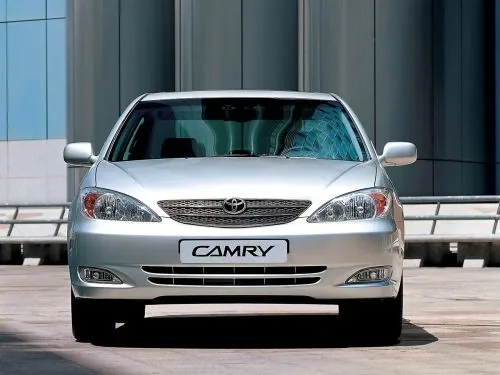
Для привередливого европейского покупателя появление нового японского седана бизнес-класса (E) не было чем-то из ряда вон выходящим: по европейским меркам автомобиль не имел ни благородной внешности, ни отменных ездовых качеств, ни обязательного для этого класса престижа и напыщенной респектабельности. В итоге продажи продлились всего 2 года (до 2003 г.).
А по другую сторону океана - в США - все было с точностью до наоборот. Camry всегда была в почете у американцев, о чем свидетельствовали рекордные продажи различных поколений автомобиля в течение многих лет. «Тридцатка» только укрепила положение Toyota на рынке.
Toyota активно продвигалась и на развивающиеся рынки - в страны СНГ. В Украине автомобиль моментально оценили, вспоминая предшественницу, которая хорошо себя зарекомендовала за годы жесткой эксплуатации в различных госструктурах. Не миновала эта судьба и 30-ку, к чему стоит быть готовым ее будущим владельцам (есть шанс попасть на «разездной» автомобиль).
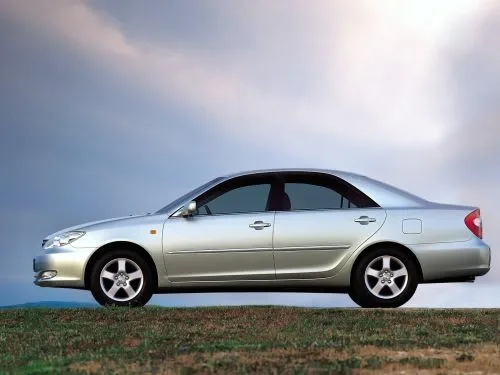
На нашем рынке могут быть представлены Camry 2 видов - «европейцы» и «американцы».
Большую часть составляют автомобили, купленные новыми в дилерских центрах, что является немаловажным преимуществом: при наличии официальной сервисной книжки, отследить историю автомобиля несложно.
На втором месте идут «американцы», которые были пригнаны как новыми ("серыми" дилерами), так и б/у. Тут уже могут возникнуть определенные сложности, которые в основном, связаны с сервисом: неизвестно как обслуживали авто на «сером» СТО.
Про автомобили, привезенные из Штатов, ходят легенды: американцы нередко халатно относятся к своим автомобилям, и не понимают, зачем каждые 10.000 км тратить по нескольку сотен долларов на техобслуживание с использованием дорогущего синтетического масла и фильтров. Будьте осторожными при покупке американской версии, "клюнув" на меньшую цену.
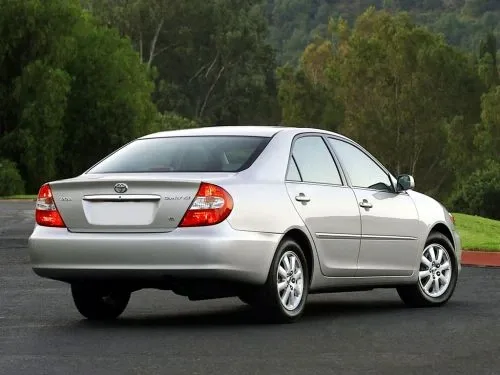
В 2005 г. автомобиль пережил ресталинг. Toyota заменила в Camry решетку радиатора, передние и задние фары, сделала новый дизайн переднего бампера.
В целом, спрос на предыдущее поколение Camry очень высокий - хорошие варианты продаются быстро. Возможно, из-за этого и цены на Camry снижаются весьма неохотно.
Ну, а как выбрать вожделенный вариант - читайте дальше.
Описание
- Тип кузова: седан, купе, кабриолет
- Дверей/мест: 4/5 и 2/5 (купе, кабриолет)
- Габариты, Длина/Ширина/Высота, мм: 4815/1795/1500 и 4890/1815/1430 (купе, кабриолет)
- База, мм: 2720
- Масса снаряженная/полная: 1390/1935 и 1450/н. д., 1610/н. д.
- Объем багажника, л: 530 и 390, н. д.
- Объем бака, л: 70
- Двигатели
- Бензиновые 4-цилиндровые: 2,0 л 16V ( 124 л. с.), 2,4 л 16V ( 152 л. с.)
- 6-цилиндровые: 3,0 л 24V (186 л. с.), 3,0 л 24V (213 л. с.), 3,3 л 24V (228 л. с.)
- Тип привода: передний
- КПП: 5-ст. механическая или 4 и 5-ст. автоматическая
- Тормоза передние/задние: дисковые вентилируемые/дисковые или барабанные
- Подвеска передняя/задняя: независимая/ независимая
Toyota Camry V30 собирали почти во всех частях света (эту машину выпускали в Японии, США, Канаде, Австралии), и продавали ее по всему миру.
Автомобиль выпускался в кузове седан, длиной 4,8 м (для европейского рынка).
Двигателей было четыре, все бензиновые - объемом 2,0, 2,4, 3,0 и 3,3 л. Они могут встречаться с немного отличающимися показателями мощности, в зависимости от целевого рынка.
Коробки передач двух видов - 5-ступенчатая механическая и 4-, а также 5-ступенчатая автоматическая.
Все версии Camry были только переднеприводными.
Для автомобиля было доступно несколько комплектаций, при этом в стандартное оснащение для украинского рынка входили:
- климат-контроль,
- четыре электрических стеклоподъемника,
- обогрев передних сидений и зеркал с электроприводом,
- аудиосистема с CD-чейнджером,
- легкосплавные диски,
- парктроник,
- 4 подушки безопасности (в дорогих 3,0-литровых версиях - 6),
- ABS, EBD (распределения тормозного усилия),
- Break Asist (помощь при экстренном торможении).
В 3,0-литровых версиях - еще и VSC (система курсовой устойчивости) и TRC (антипробуксовочная система).
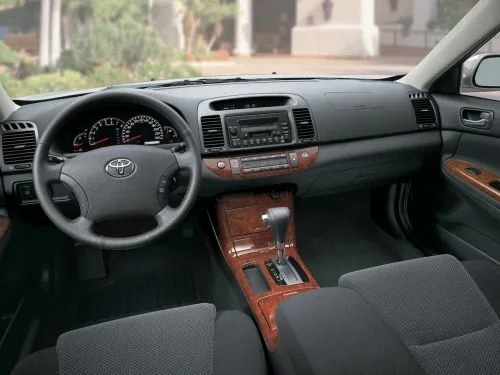
Стеклоочиститель укомплектован датчиком дождя, автоматически включающим «дворники», а головной свет оснащен датчиком освещенности, активизирующим фары при недостатке света (например при проезде туннеля), а потом снова их выключающий.
За доплату предлагались электроприводы передних сидений (в дорогих версиях - с памятью положения), кожаная отделка салона и круиз-контроль.
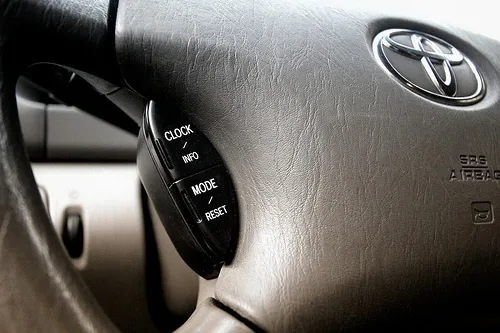
«Штатовские» Toyota Camry очень серьезно отличаются от «европейских». Это касается всего: экстерьера, интерьера, настроек подвески.
Во-первых, клиренс «американских» машин ниже, чем у автомобилей, произведенных для Европы. Во-вторых, отличаются настройки подвески - на «американках» ходовая более мягкая. И, в-третьих, «американские» Camry имеют откровенно плохой «свет», иную частотную линейку радиоприемника и систему управления двигателем.
Тем не менее, по утверждению специалистов дилерской СТО, проблем с обслуживанием «американцев» не возникает. Более того, по желанию владельца проводится перепрошивка «мозгов», после чего можно установить европейский щиток приборов, оцифрованный в км/ч, а магнитола будет ловить европейские радиочастоты.
Кузов
До кузовного железа даже самых старых машин (2001 г.в.) ржавчина пока не добралась. Однако хром с пластиковых деталей благодаря нашим зимним реагентам съедается очень быстро. Кроме того, от дорожной соли и грязи со временем перестают работать электропривод складывания зеркал (если им не пользоваться) и выдвижная электроантенна. Очистка помогает лишь на время - проблема в обоих случаях решается только заменой.
Изредка отмечено запотевание передней оптики и «противотуманок».
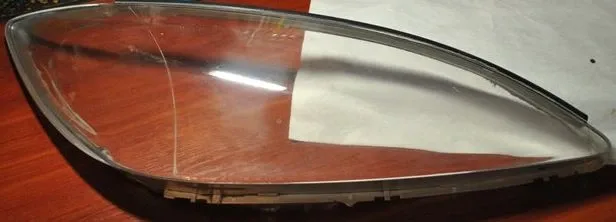
Также со временем пластиковый колпак передних фар «американцев» пескоструится, тускнеет и фары начинают хуже светить. Связано это с тем, что у «американцев» колпак передней оптики выполнен из пластика, а у «европейцев» - из стекла. Многие меняют оптику на европейскую - более долговечную и с правильным для нас светораспределением.
Салон
Галерка автомобиля очень просторная - сзади легко разместятся 3 человека. Только зауженный снизу дверной проем и высокий порог у задней двери затрудняют высадку. Кресла большие, широкие, без ярко выраженной боковой поддержки.
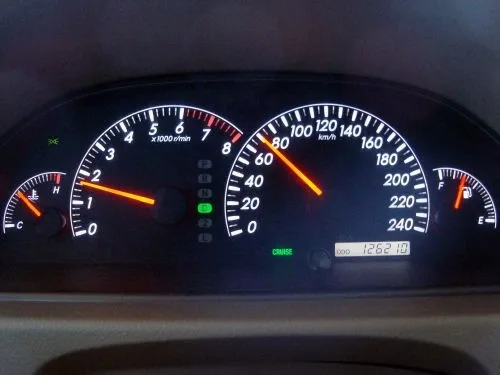
Что касается салона, то оформление интерьера, как и список базовой комплектации, внушает уважение. Разве что на американских версиях (даже с объемом двигателя 3,0 л) можно встретить более дешевый велюр и кондиционер, в отличии от европейцев с кожей и климат-контролем.
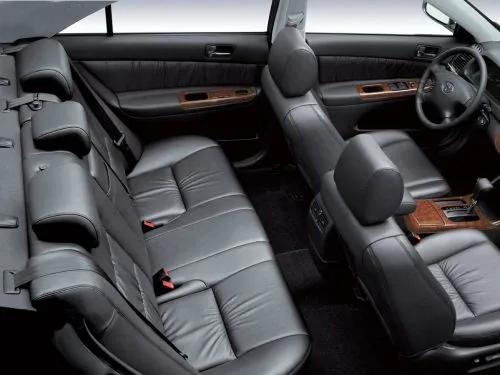
Также хотелось бы отметить отличную шумоизоляцию.
Из салонного фарша могут доставлять проблемы следующие поломки. От частого использования разбалтываются механизмы электростеклоподъемников - обычно водительского. Механизм меняется в сборе.
Если индикатор включения кондиционера мигает, а желанной прохлады в салоне нет, наверняка закапризничало реле включения вентилятора.
Из характерных недостатков стоит отметить ограниченную обзорность назад, т.к. высокая «корма» закрывает задний крайний габарит, хотя водителю и помогает парктроник (спереди и сзади), которым стандартно оборудованы многие «тридцатки».
Благодаря мощному усилителю руль получился легким, что приятно при маневрировании на тесных парковках. Но на высоких скоростях рулевое не слишком информативное.
Объем багажника (520 л) - один из самых больших среди автомобилей бизнес-класса. При необходимости его можно еще увеличить, сложив раздельные спинки заднего сиденья.
Двигатели
Чаще всего у нас попадаются Toyota Camry V30, оснащенные одним из двух бензиновых двигателей объемом 2,4 или 3,0 л. Именно эти версии официально поставлялись в Украину.
На «американцах» могут стоять как эти моторы, так и 2,0- и 3,3-литровые агрегаты, но у нас они встречаются редко. Также под капотом американских версии иногда встречаются агрегаты, позаимствованные у одноплатформенного Lexus ES - более мощный 213-сильный 3,0-литровый мотор и 5-ступенчатый «автомат».
Кроме того, из США можно привезти автомобиль с 3,3-литровым мотором (225 л.с.).
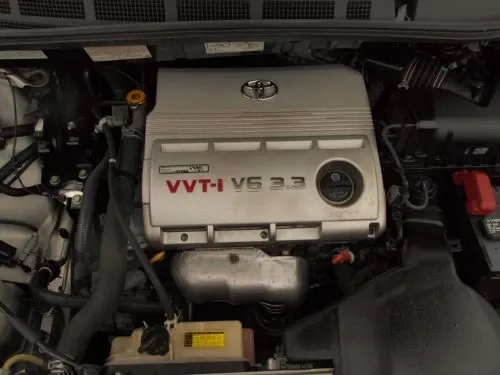
Рассмотрим наиболее распространенные европейские двигатели.
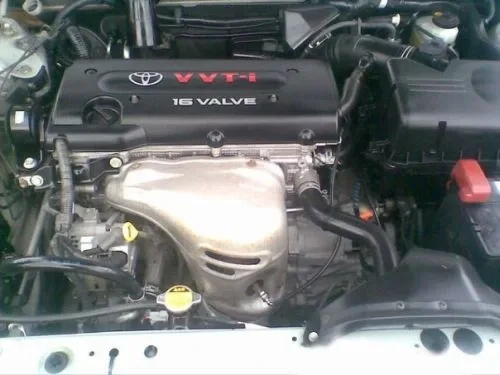
Первый - 4-цилиндровый 16-клапанный новейшей (для того времени) разработки 2,4 л (152 л.с.) с индексом 2АZ-FE. В нем применена система VVT-i (Variable Valve Тiming-intеlligеnt), регулирующая фазы открытия и закрытия впускных клапанов. Благодаря ей, мотор очень эластичен и имеет хорошую тягу во всем диапазоне оборотов. Расход - в районе 12-14 литров. Газораспределительный механизм приводится в действие цепью, ресурс которой составляет более 300 тыс. км пробега.
Второй - 3,0 литровый 24-клапанный V6 мощностью в 186 л.с. По сравнению с 2,4 - отличается характерным подхватом с низов, за который придется расплачиваться расходом топлива - 14-16 л являются нормой для этого мотора. Характерным минусом, по сравнению с 4-цилидровой версией является наличие ремня ГРМ вместо цепи. Процедуру по его замене следует проводить через каждые 150 тыс. км. Плюс к этому - желательно поменять и ролики.
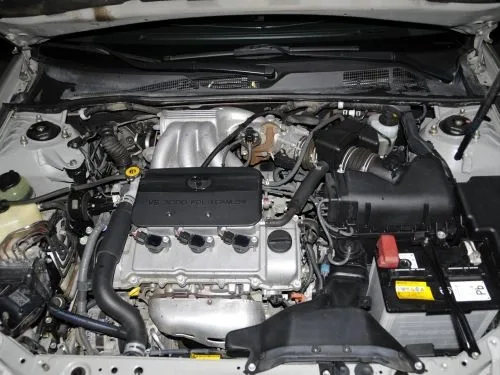
Каких-либо характерных неисправностей с двигателями «тридцатки» в процессе эксплуатации выявлено не было. Некоторые моторы прошли уже более 300 тыс. км и пока еще не требуют вмешательства механиков. Главное не забывать проводить необходимые ТО.
Форсунки рекомендуется промывать через каждые 40 тыс. км. Если мотор работает неустойчиво при исправных свечах зажигания, то следует промыть и дроссельную заслонку.
Платиновые свечи зажигания при работе на отечественном бензине не могут похвастаться долговечностью - их придется менять через 10-20 тыс. км. Регулировка зазоров клапанов может потребоваться лишь после 200 тыс. км пробега. От некачественного топлива могут также выходить из строя кислородные датчики (лямбда-зонды).
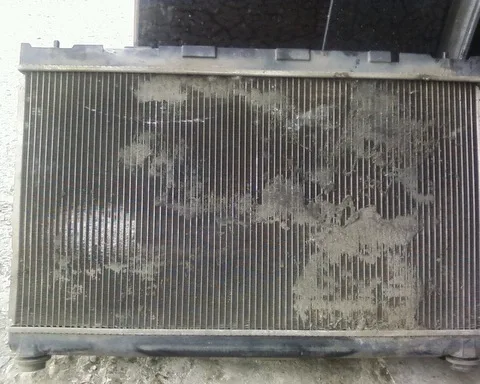
На машинах первых годов выпуска может потечь радиатор. В большей степени эта проблема характерна для американских версий - радиатор системы охлаждения на изрядно походивших экземплярах не выдерживает наших морозов и влажности вкупе с зимними реагентами. Поэтому рекомендуется каждые 40 тыс. км обновлять антифриз и регулярно очищать радиатор от грязи.
Трансмиссия
3,0-литровые версии оснащались 4- и 5-ступенчатыми автоматическими коробками передач, а 2,4-литровые - как «автоматом», так и 5-ступенчатой «механикой».
Кстати, на АКПП версий V6 «мозги» управления бывают обычные или же с программой адаптивного управления, способной, изменяя момент переключения передач, подстроиться под различные стили езды водителя.
5-ти ступенчатые версии АКПП можно встретить на версиях с V6 для американского рынка.
Механические коробки передач зарекомендовали себя достаточно надежными. Замена сцепления в трансмиссии с механической коробкой обычно производится через 120-140 тыс. км
На авто с пробегами больше 200 тыс. уже встречаются проблемы с АКПП. Неграмотная эксплуатация (несвоевременная замена масла, буксование, резкие старты) приводит к выходу из строя подшипника выходного вала АКПП или же к потере герметичности сальника гидромуфты. Но это совсем не повод отказываться от "автомата".
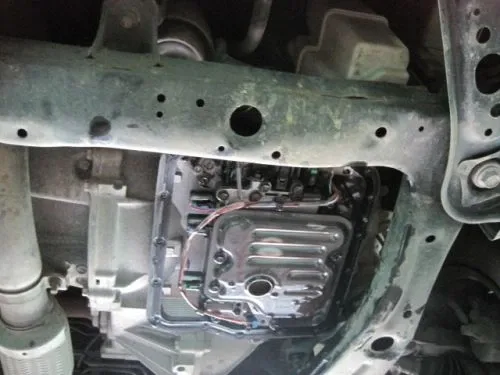
В целом, главное не забывать менять масло каждые 40 000 км (а в АКП еще и фильтр).
Подвеска
Конструктивно подвеска аналогична предшественнице Camry (20) - впереди применяется McPherson, а сзади - «многорычажка», хотя их детали невзаимозаменяемые. Подвеска модели образца начала 90-х годов оказалась настолько удачной, что ее решили использовать и в новом поколении.
По сравнению с предшественницей «тридцатка» стала более вальяжной, о чем свидетельствуют соответствующие настройки ходовой и рулевого. Так, мягкая подвеска обеспечивает очень высокий комфорт во время езды. Оборотная сторона такой настройки - валкость. При скоростном прохождении поворотов или резком маневре возникают неприятные крены, а при резком торможении - клевки кузова.
Ходовая достаточно долговечна, чаще всего (спустя 30-40 тыс. км) придется менять лишь втулки стабилизаторов поперечной устойчивости. Стойки стабилизаторов «ходят» около 70 тыс. км на более тяжелых версиях с моторами V6, и около 100 тыс. км на 4-цилиндровых.
Остальные детали служат еще дольше. Так, сайлент-блоки передних рычагов и шаровые опоры могут пробежать около 200 тыс. км, втулки задних продольных тяг - 100-150 тыс. км, а поперечных - еще больше.
Повышает стоимость обслуживания то, что «резинки» поставляются вместе с передними рычагами, а задние подшипники - вместе со ступицами.
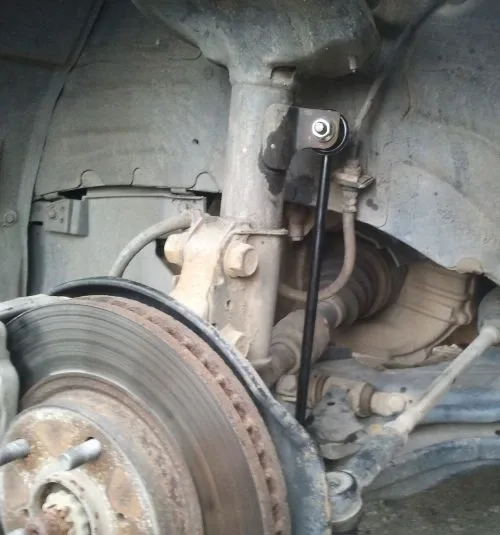
К 300 тыс. км может выйти из строя нижняя крестовина рулевого вала. Рулевые тяги способны прослужить 100-150 тыс. км.
Тормоза
Модель оснащена дисковыми тормозными механизмами всех колес, причем передними - вентилируемыми. Штатно устанавливалась ABS. Отметим, что на модель устанавливали как рычажный привод стояночного тормоза, так и педальный.
Колодки спереди служат около 20 тыс. км, сзади - 40 тыс. км. К недостаткам можно отнести небольшой ресурс передних тормозных дисков, которые надо менять уже после 20-30 тыс. км, так как начинается биение при торможении из-за деформации. Это происходит при попадании холодной воды на раскаленный диск после активных торможений.
Раз в два года необходимо сменить тормозную жидкость. При замене колодок рекомендуется очищать и смазывать суппорты, так как механизм со временем может заклинивать.
Цены на запчасти
Цены на запчасти продолжают оставаться высокими, несмотря на смену поколений. Проблем с наличием и выбором нет. На рынке представлены, как относительно дешевые запчасти из Китая, так и дорогостоящие оригинальные японские запчасти.
Нет проблем и с б/у деталями: в последнее время на разборки в крупных городах стали завозить немало "тридцаток". К примеру:
- б/у стартер обойдется в $300,
- фара передняя - $100,
- крышка багажника - $300,
- крыло - $300,
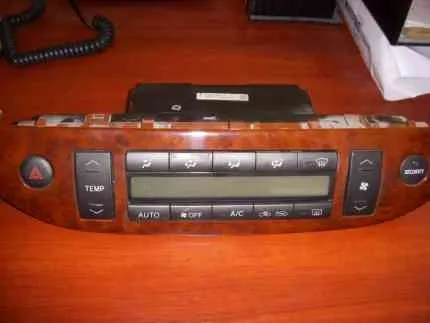
- блок управления климатом - $100.
Итог
Toyota Camry V30 - хороший и достаточно надежный автомобиль. Он конструктивно прост и неприхотлив в эксплуатации, что также является немаловажным плюсом для наших соотечественников. Те проблемы, которые могут возникнуть по ходу эксплуатации, не вызовут особых проблем в плане устранения.
Посоветовать "тридцатку" можно человеку, который ценит комфорт, спокойствие и предпочитает ездить на дальние расстояния. В таком случае это просто идеальный вариант. Тем же, кто предпочитает активную езду, советуем посмотреть другие марки и модели.
Оптимальный вариант, на наш взгляд - послересталинговый «европеец» с любым из доступных моторов (2,4 либо 3,0 л) в паре с автоматической КПП.
Порядок цен на авто следующий: от $12000 за 2,4-литрового американца 2002 г. и до $20000 за 3,0-литрового европейца 2006 г.в.
Выбрать себе автомобиль и подробнее ознакомиться с ценами вы можете на наших страницах в разделе Б/У авто.
Отзывы владельцев
Плюсы | Минусы |
|
|