А все потому, что машина для 80-х годов очень удачная.
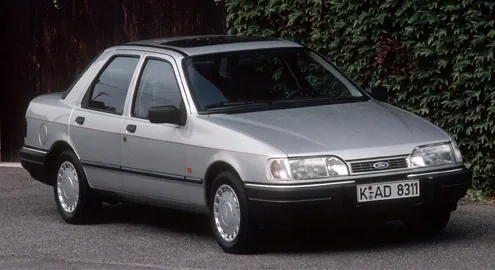
Этой статьей АвтоПортал продолжает серию материалов о выборе и покупке подержанных автомобилей. С каталогом подержанных авто вы можете ознакомиться на наших страницах, перейдя в раздел "Б/У авто".
Описание
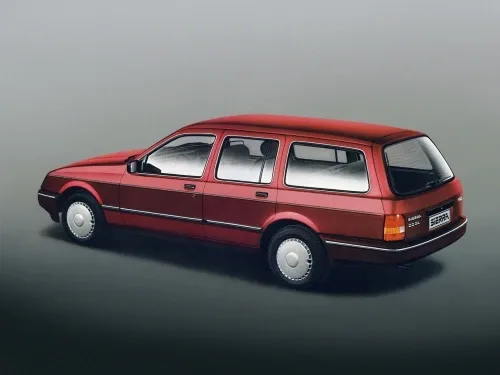
- Тип кузова: 3- и 5-дверный хэтчбек, 4-дверный седан и 5-дверный универсал
- Дверей/мест: 5/5, 4/5, 5/5
- Габариты Длина/Ширина/Высота, мм: 4425/1694/1407, 4467/1698/1359, 4511/1720/1428
- База, мм: 2608
- Масса снаряженная/полная, кг: 1005/1525, седан – 1025/1575, 1210/1775
- Объем багажника, л: 410-1200 и 390-1200, 420-880, 400-1470
- Объем бака, л: 60
- Тип привода: задний/полный (XR 4x4)
- КПП: 4- и 5-ст. механическая и 3- и 4-ст. автоматическая.
- Тормоза передние/задние: дисковые/барабанные, дисковые/дисковые
- Подвеска передняя/задняя: независимая/независимая.
- Двигатели
- Бензиновые 4-цилиндровые:
- Карбюраторные: 1,6 л (75 л.с.); 1,6 л (80 л.с.); 1,8 л (87 л.с.)
1,8 л (90 л.с.); 2,0 л (100 л.с.); 2,0 л (105 л.с.); - Распределенный впрыск: 2,0 л ( 115 л.с.); 2,0 л (120 л.с.);
2,0 л 16V (204 л.с.) Turbo; 2,0 л 16V (220 л.с.) Turbo - 6-цилиндровые распределенный впрыск: 2,3 л (114 л.с.); 2,8 л (135 л.с.); 2,9 л (145 л.с.);
- Дизельные 4-цилиндровые: 1,8 л (75 л.с.) Turbo; 2,3 л (75 л.с.)
История
- 09.1982 Дебютирует семейство Ford Sierra
- 09.1983 Начало производства полноприводной модификации XR 4x4
- 03.1984 Появился новый двигатель 1,6 л 75 л.с. и 4-ступенчатая автоматическая КПП
- 03.1987 Модернизация модели. Гамма кузовов дополнилась 4-дверным седаном.
- 09.1987 Увидела свет спортивная Sierra – RS Cosworth с 16-клапанным двигателем объемом 2,0 л (204 л.с.), оснащенным турбонаддувом
- 03.1988 Двигатель модификации Ghia и XR 4х4 V6 объемом 2,8 л (135 л.с.) заменен на V6 объемом 2,9 л (145 л.с.)
- 09.1988 Все моторы оснастили катализатором отработавших газов
- 01.1990 Модернизация. Появилась наиболее мощная версия RS Cosworth – 220 л.с., завершено производство 3-дверной модификации
- 01.1993 Выпуск модели Ford Sierra прекращен
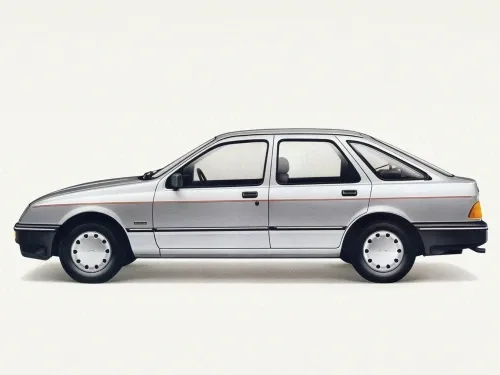
Ford Sierra увидел жизнь в 1982 году, заменив устаревшую модель Taunus. Прожил он долгих 12 лет конвейерной жизни. Любопытно, что Sierra продавали даже в США под маркой Mercur (не путать с Mercury). Кузовных модификаций было пять. Из них два — хэтчбеки на пять и три двери. Кроме того, выпускались спортивное “купе-хэтчбек XR4Ti” с двухэтажным спойлером, универсал, а с 1987, после модернизации, добавился седан.
Покупателям “Сиерры” стоит помнить, что модели 1982-1987 гг. имели разные варианты оформления передней части. Самый ранний получил небольшие, почти квадратные фары и горизонтальную радиаторную решетку, в то время как поздний щеголял модным “пустым” передом с вытянутыми прямоугольными фарами. Несколько по-другому были оформлены дорогие модели Ghia. Особняком стоят полноприводные модификации и спортивный Cosworth с мотором в 200-220 л.с.
Салон
Главное достоинство салона в том, что он один из самых просторных в своем классе. Внутри с комфортом могут разместиться 5 человек, а при необходимости на «галерке» поместятся даже четверо пассажиров невысокого роста. Еще одно подтверждение тому, что внутри действительно просторно, тот факт, что задние сиденья от Scorpio можно установить в Sierra. А это значит, что ширина их салонов практически одинакова.
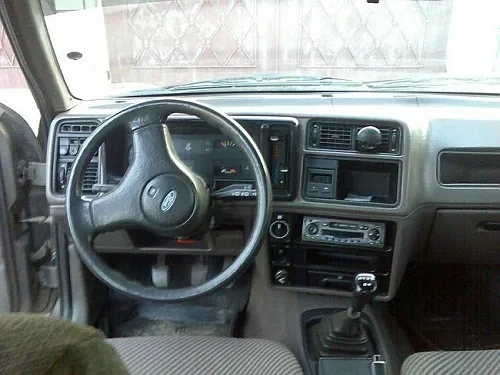
Интересно, что рычаги управления печкой и вентиляцией установлены на старый американский манер — под рулем в правом углу приборной панели. Что же касается “предметов роскоши”, вроде кондиционера, электростеклоподъемников и т.д., то их можно встретить далеко не на каждой Sierra. Потому, если хочется максимального комфорта — ищите версию Ghia.
Кузов
Защита от коррозии в свое время считалась хорошей. Однако стоит учесть, что это было очень давно. Потому, при покупке даже ухоженной Sierra стоит обратить внимание на пороги (особенно в местах сварки), арки задних колес, дверцы и прочие стандартные места появления ржавчины. А про лонжероны и "чашки" крепления амортизаторных стоек речь идет в первую очередь. Особенно это касается дорестайлинговых машин, до 1987 года выпуска.
Кузова первых лет выпуска имели серьезный недостаток — малую поперечную жесткость в районе передних стоек. Это собственно проявилось на наших далеко неровных дорогах — кузова “складывались” возле ветрового стекла. В дальнейшем этот дефект был устранен усилением лонжеронов и передней стенки кузова. Определить наличие такого дефекта можно по неравномерному зазору между передним крылом и дверцей.
Также, в первые годы выпуска у Sierra была глобальная проблема герметичности резиновых уплотнителей.
Двигатели
Карбюраторные моторы Sierra достались в наследство от старых Taunus и Granada. Карбюраторы встречались самые разные: от Weber и Solex до Pierburg. Впрыскоевы моторы с системой впрыска — от центрального, до электронного многоточечного наподобие Bosch L-Jetronic.
Шестицилиндровые моторы обычно оснащены механическим непрерывным впрыском Bosch K-Jetronic. И, естественно, для таксистов и просто желающих экономить топливо, выпускались предкамерные дизель 2,3 литра 67 л.с. и турбодизель 1,8 литра 75 л.с.
Все четырехцилиндровые двигатели имели ременной привод ГРМ. Лишь V6 были сконструированы по канонам старой школы — распредвал находился в развале блока и имел шестеренчатый привод.
Слабое место “сиерровских” двигателей, особенно V-образных — это водяной насос. Требует внимания и привод вентилятора с гидромуфтой. У нее случается поломка пружины и подтекание масла. У четырехцилиндровых моторов невозможно снять клапанную крышку, не сняв карбюратор (инжектор). Но т.к. клапаны регулируются не часто, в среднем через 50-70 тыс. км, то это можно пережить. А на дизелях частенько отказывает стартер. Система зажигания бесконтактная, с индукционным датчиком (на некоторых двигателях с датчиком Холла) иногда преподносит неприятные сюрпризы. На впрысковых моторах стоит обратить внимание на расходомер воздуха, который не отличается надежной работой. И, наконец, если вы решили взять мотор объемом
К двигателю объемом 2 литра (не важно какой мощности), будьте особенно внимательны. Заводская прокладка головки блока была неудачно сконструирована, и нередко вызывала хронический перегрев головки и разрушение перегородок между клапанами.
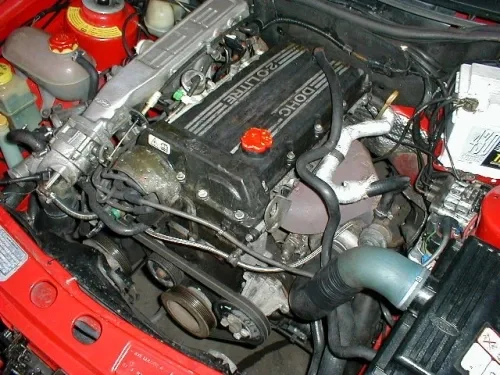
Из двух дизельных моторов лучше выбрать атмосферный 2,3-литровый, который разрабатывался компанией Peugeot. Мощность у него невелика, зато он почти неубиваемый. История знает случаи, когда двигатель без особых последствий ездил на смеси 76-го бензина и моторного масла. 1,8-литровый турбодизель - ранний вариант двигателя, который впоследствии устанавливался на модели Escort и Mondeo. Основные болячки - неудачная конструкция защитного кожуха ремня ГРМ, ненадежного крепления турбины и так далее.
Трансмиссия
Sierra получила в наследство от ветерана Taunus задний привод с отличным, почти вечным редуктором заднего моста. Причем зацепление шестерен его редуктора можно регулировать, не снимая данный агрегат с машины. Недостаток здесь только один — недолговечная эластичная муфта карданного вала. Полноприводные версии у нас редкость, и, как правило, являются отличными кандидатами на сдачу в Чермет.
Но если вы заинтересованы именно в такой модификации, вам следует знать, что на “Сиерре” применена схема аля настоящий внедорожник. Машина комплектуется раздаточной коробкой с цепной передачей и планетарным дифференциалом с блокировкой вискомуфтой. Задний мост имеет собственную блокировку при помощи все той же вискомуфты. Как правило, замены требует цепь, а также обе вискомуфты.
Коробки передач могут быть пятиступенчатыми ручными, а также 3-х (до 1984 года) или 4-скоростными автоматическими. Никаких особых дефектов не отмечено, кроме незначительных утечек масла через хвостовик ручной КПП. Само-собой, изнашиваются синхронизаторы и сальники.
Сцепление проблем не создает. Накладки нажимного диска выдерживают около 100 тыс. км.
Ходовая часть
Подвеска всех колес независимая, хорошо “проглатывает” неровности и неплохо держит дорогу. Надежность подвески средняя, но зато ремонт легкий.
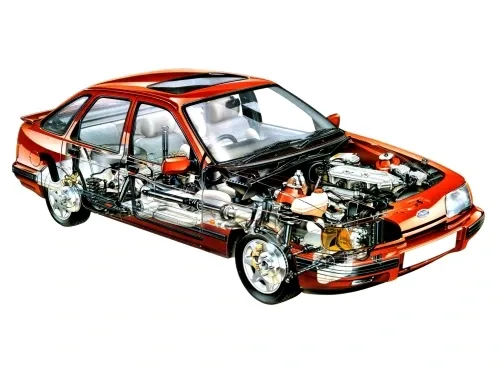
Спереди слабым местом являются втулки, которые крепят стабилизатор к рычагу. Шаровые опоры и сайлент-блоки ходят примерно одинаково: 80-100 тысяч км, причем шаровые меняются только в сборе с рычагом.
Сравнительно быстро изнашиваются разве что сайлентблоки задних треугольных рычагов. Кроме того, после преодоления полосы препятствий в виде ям и колдобин они могут быть погнуты. Эта неисправность легко диагностируется по углу наклона задних колес. Если они стоят “домиком”, значит рычаги, скорее всего, пора менять.
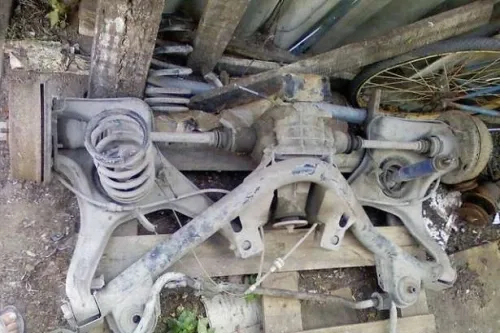
Реечное рулевое управление, как и положено машине 80-х, далеко не всегда оснащено гидроусилителем. Тормоза обычно дисковые спереди, и барабанные сзади. Задние диски встречаются в основном на мощных модификациях, наподобие Cosworth.
Цены на запчасти и обслуживание
Содержать авто "Сиерру" не сложно. Особенно, при наличии ровных рук. Новые запчасти стоят сравнительно недорого, но некоторые позиции уже не выпускаются. Особенно на первые, дорестайлинговые версии.
С разборками становится все сложнее и сложнее, в виду возраста авто. Но найти "живые" детали еще вполне реально:
- капот - 500 грн
- крышка багажника - 400 грн
- радиатор кондиционера - 250 грн
- дверь - 400 грн
Итог
Король подержанных авто - так говорили о Ford Sierra в далеких 90-х, исключительно популярном у нас автомобиле. Но с тех пор много воды утекло, король давно умер, и корона досталась другим. Но если вам вдруг попалась еще более-менее "живая" Sierra - почему бы и нет.
Сказать что-то конкретное о ценах сложно, т.к. состояние большинства авто очень разное. Предложений в продаже много, поэтому советуем не спешить и ориентироваться на следующий диапазон: от $1500 и до $5000.
С каталогом подержанных авто вы можете ознакомиться на наших страницах, перейдя в раздел "Б/У авто".
Мнения владельцев
Плюсы | Минусы |
|
|