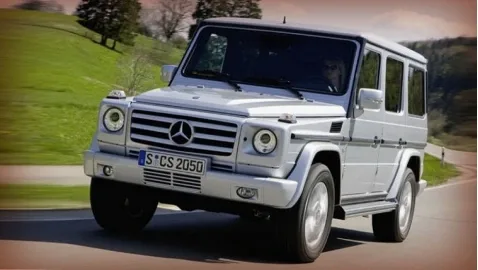
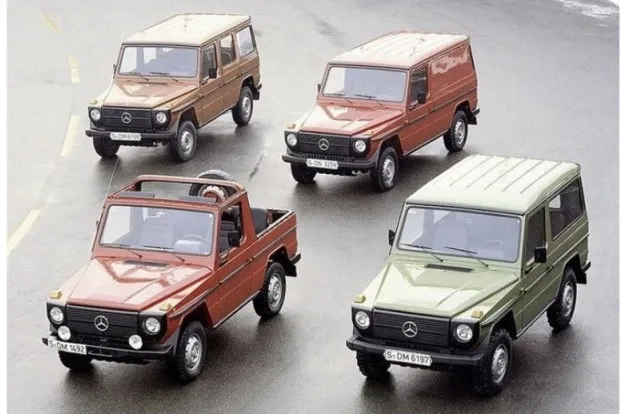
Судьба этого автомобиля оказалась тесно связана с военной службой, хотя с немецкой армией она не имеет ничего общего. Более того, Бундесвер никогда не проявлял интереса к такой машине. Первый заказ на создание армейского внедорожника концерн Daimler-Benz получил в 1976 году от иранского монарха Мохаммеда Резы Пехлеви. Почему заказ поступил не от бундестага? Причин было несколько: во-первых, немецкая армия в тот период не могла позволить себе финансировать столь масштабный проект, а во-вторых, изначально предполагалось, что машина будет использоваться для оснащения вооруженных сил другой страны. Однако дальнейшие события пошли по совершенно иному сценарию, нежели ожидал концерн. К моменту, когда проект был полностью готов к запуску, в Иране произошла исламская революция. Главный заказчик Мохаммед Реза Пехлеви потерял власть и был вынужден искать убежище в США.
К тому времени на складах предприятия скопилась солидная партия готовых автомобилей. Daimler-Benz пришлось в срочном порядке распродавать их. Первыми покупателями G-class стали вооруженные силы Аргентины. После того как военные убедились в надежности машины, к ним присоединились военные структуры Норвегии и Индонезии. Спустя еще пару лет этот автомобиль появился в арсенале более чем двадцати государств. Тогда никто не мог предположить, какая долгая и насыщенная история ожидает эту модель.
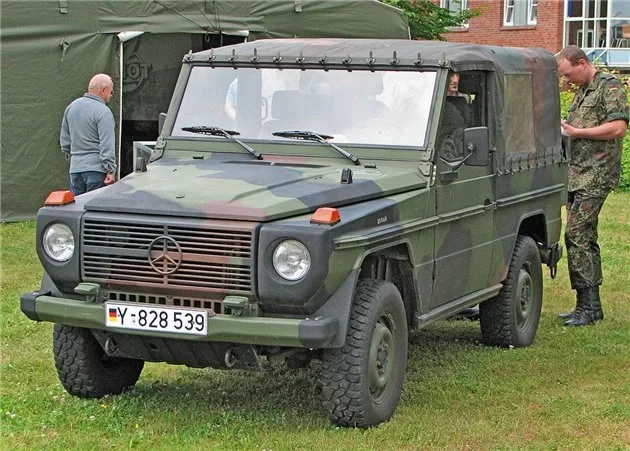
С самого начала G-class разрабатывался Daimler-Benz совместно с австрийской компанией Steyr-Puch, поэтому во многих странах он известен не как Mercedes-Benz, а как Puch. Под таким названием он состоит на вооружении в Швейцарии, Австрии, Хорватии, Словении и Лихтенштейне.
Стоит отметить, что военные были не единственными, кто оценил выносливость и неприхотливость Gelandewagen. В 1983 году автомобиль заявил о себе на легендарном ралли Париж-Дакар. Под управлением Джекки Икс и Клода Брассье G-class преодолел 12 000 км и финишировал первым.
Со временем Mercedes-Benz G-Class перестал быть просто утилитарным внедорожником и превратился в символ статуса и престижа, подкрепленных надежностью и долговечностью. Такие автомобили все чаще появляются в гаражах высокопоставленных лиц. Одна из машин, созданных на базе Gelandewagen, находится в гараже Папы Римского. Этот специальный бронированный вариант получил прозвище «Папамобиль».
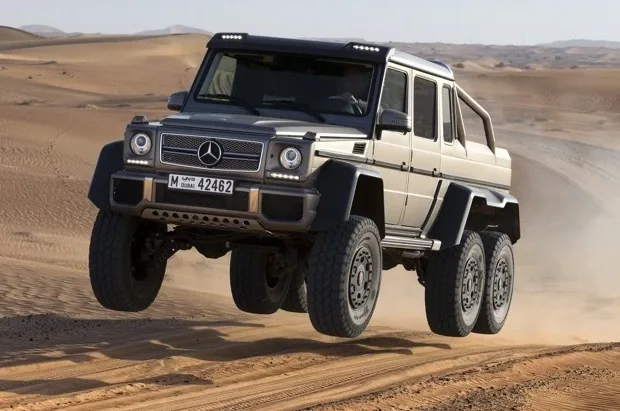
Mercedes-Benz G-Class присутствует на мировом рынке уже более тридцати лет. За это время покупателям предлагались различные варианты кузова и колесной базы, дизельные и бензиновые моторы разного объема, автоматические и механические коробки передач. Казалось, что модель пора отправлять на пенсию, однако сдавать позиции никто не собирается. В июне 2012 года публике был представлен обновленный G-class Mercedes G63 AMG с двигателем V8-Biturbo. Тогда же состоялся дебют G65 AMG. С 2013 года ценителям эксклюзивных «кубиков» предложили шестиколесную версию Mercedes-Benz G 63 AMG 6x6, изначально предназначавшуюся для состоятельных арабских покупателей. Позже стало известно, что этот эксклюзив будет продаваться и в России по цене 24,5 миллиона рублей. Официально эта модель в нашей стране не поставляется.
С чего начать
Прежде чем покупать подержанный Mercedes-Benz G-Class, необходимо обязательно на нем прокатиться. Причем неважно, о какой модели и годе выпуска идет речь. Главное — понять, подходит ли вам эта машина по своим ездовым характеристикам и комфорту. «Кубик» может не устроить с точки зрения удобства. Сказывается военное прошлое: автомобиль довольно жесткий и может разочаровать на высоких скоростях. Регулировка рулевой колонки появилась только на моделях с 1999 года. На более ранних версиях руль закреплен неподвижно. К тому же расположение органов управления может показаться непривычным по сравнению с современными автомобилями.
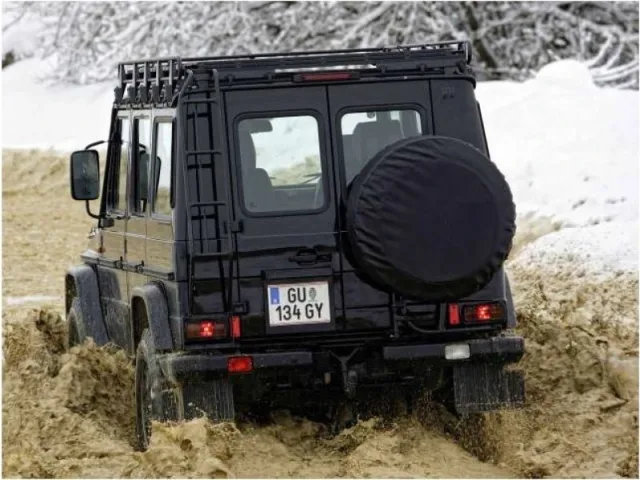
Кузов
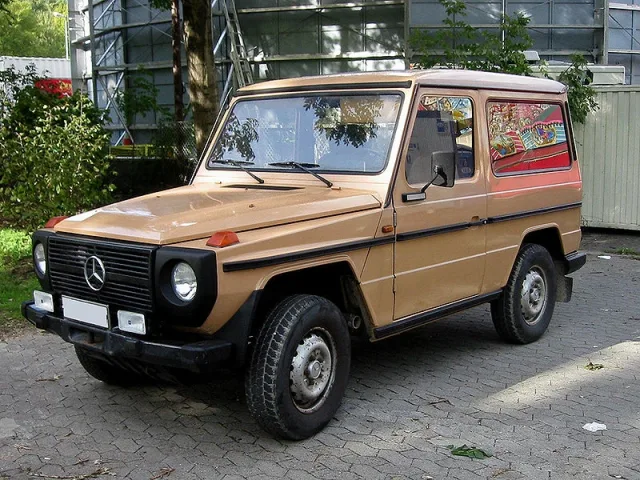
В нашей стране наибольшей популярностью у Gelandewagen пользуются пятидверные версии. Кроме них встречаются трехдверные модификации и изредка кабриолеты.
Пятидверный кузов — самый вместительный, в нем может разместиться до семи человек. Для этого необходимо, чтобы в багажнике были установлены дополнительные сиденья. Благодаря более длинной базе он также является самым комфортным.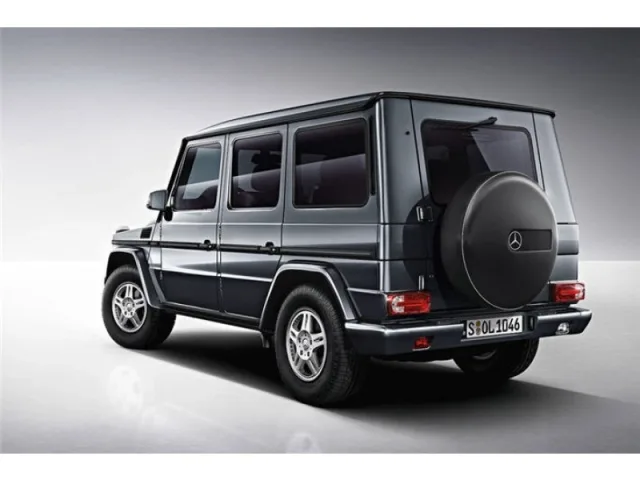
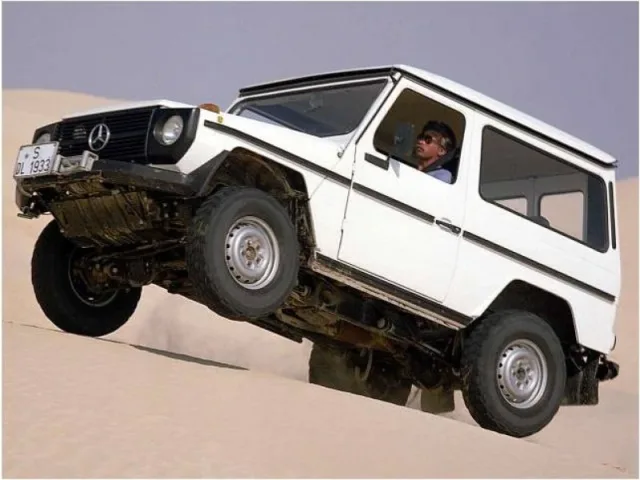
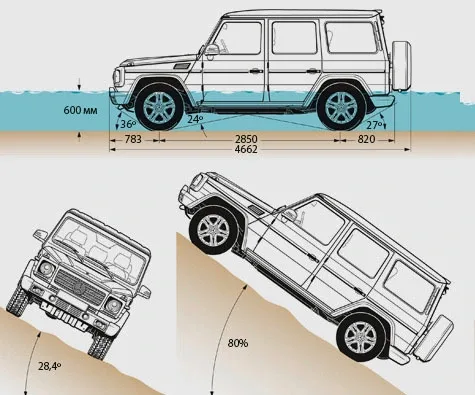
Трехдверная версия лучше подходит для города и бездорожья. Из-за более короткой базы она обладает улучшенной «геометрической проходимостью». Однако есть и серьезный минус — задние сиденья здесь теснее, да и садиться на них не слишком удобно. Поэтому для большой семьи такой вариант вряд ли подойдет.
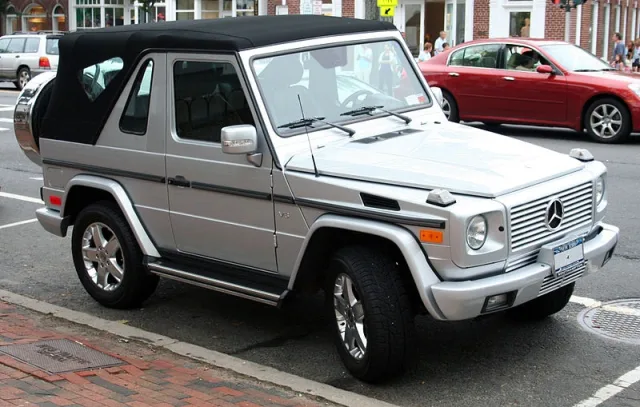
Кабриолет — это, как говорится, на любителя. До 1996 года складной верх сворачивался вручную. Позже появился электропривод крыши, как и положено автомобилю премиум-класса. В машине был установлен мощный отопитель, благодаря которому даже в сильные морозы задние пассажиры чувствовали себя вполне комфортно.
При правильном уходе кузов «Гелендвагена» неплохо выдерживает воздействие солевых реагентов. Но если повредить лакокрасочное покрытие и вовремя не заделать повреждение, коррозия не заставит себя ждать. Примерно через два года вокруг таких мест появится ржавчина.
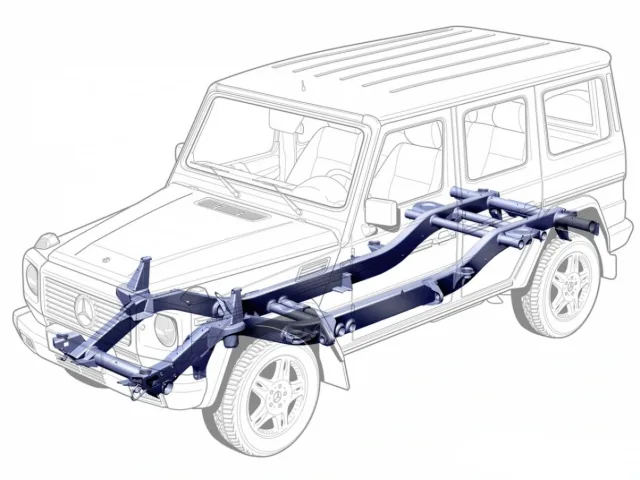
В выпускной системе на пробеге 70.000-80.000 км от коррозии может лопнуть кронштейн глушителя. Об этом станет известно по характерным стукам о кузов. Затягивать с заменой не стоит, тем более что стоимость вопроса — около 20-30$. Если же отложить ремонт, можно потратить на 400-500$ больше — на покупку нового глушителя. А если ржавчина уничтожит всю выпускную систему, то придется выложить уже порядка 1500$. Оптимальным решением будет приобретение детали из нержавейки.
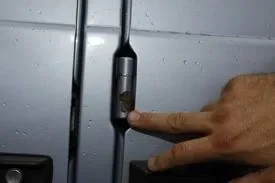
Еще одна распространенная проблема — петли дверей. Со временем они разбалтываются. Можно попробовать их отрегулировать, но если это не поможет, остается только замена. Одна петля вместе с установкой обойдется примерно в 100$.
Салон
Mercedes-Benz G-Class может показаться довольно брутальным. Но что еще ожидать от машины, созданной как армейский внедорожник. Тем не менее, уже в базовой комплектации «кубик» не выглядит дешево: тканевая обивка сидений и дверей хорошего качества, кондиционер, передние подушки безопасности, АБС и электропакет. В дорогих версиях отделка уже соответствует премиум-классу. Здесь используется высококачественная кожа, которой обшиты все элементы интерьера: руль, рычаг переключения передач, сиденья и дверные карты, а также есть вставки из натурального дерева.
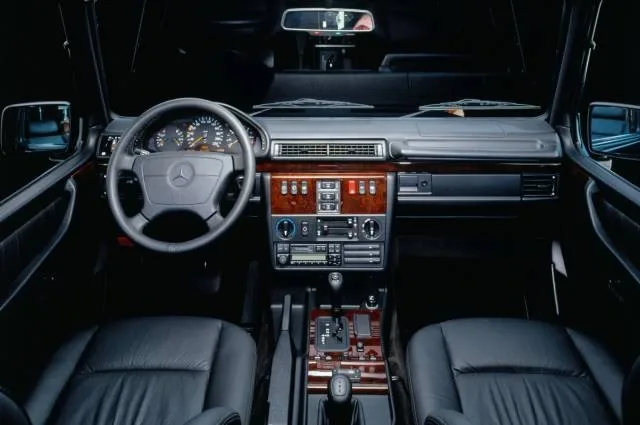
Обзорность назад по современным меркам оставляет желать лучшего, особенно когда на задней двери закреплена запаска.
При осмотре автомобиля с пробегом стоит обратить внимание на состояние обивки переднего водительского сиденья. Это касается как тканевых салонов, так и кожаных. После 8-12 лет эксплуатации при ненадлежащем уходе она может протереться, а подушка сиденья просесть. В остальном салон не вызывает нареканий и выглядит вполне прилично. Сильно изношенное заднее сиденье и обшивка багажника могут свидетельствовать о жесткой эксплуатации автомобиля. В таком случае есть смысл осмотреть всю машину более внимательно.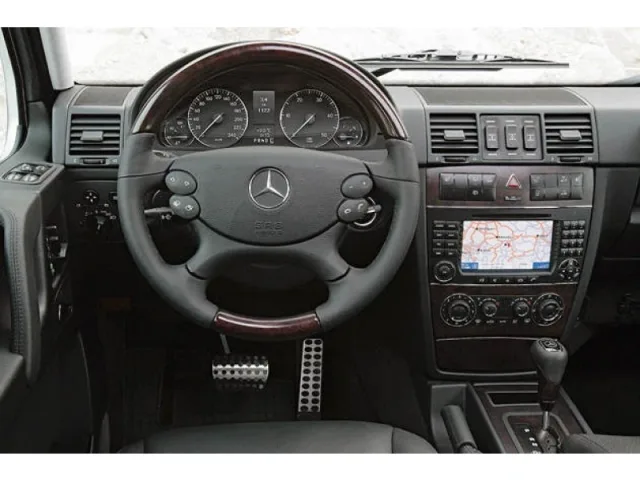
Подвеска:
Поскольку подвеска с двумя неразрезными мостами создавалась для армейского внедорожника, в нее заложен запас прочности для тяжелых условий эксплуатации. Даже на наших дорогах шасси не требует частого вмешательства. Тем не менее, каждые 80-90 тыс. км придется потратить порядка 1400-1500$ на резинки, сайлент-блоки и прочие элементы. Это если хочется держать ходовую часть в идеальном состоянии. После тех же 80-90 тыс. км машина начнет проседать сзади и будет рыскать на асфальтовых волнах. Это тревожный сигнал — пора менять задние пружины. Комплект стоит до 500$ без учета установки. Затягивать с этим не стоит, так как выйдут из строя амортизаторы. А это еще 250$ за неоригинальные или 450-550 долларов за фирменные.
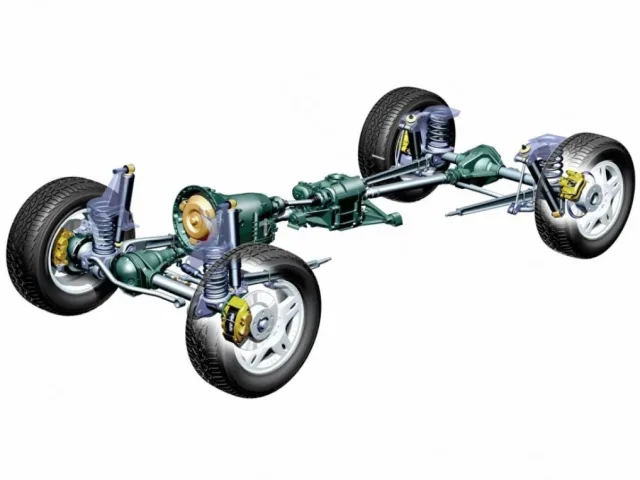
По достижении указанного пробега, скорее всего, придется заменить и два комплекта передних тормозных колодок. Задние служат дольше — в среднем проходят вдвое больший путь, чем передние. Следить за ними нужно обязательно, иначе можно дождаться замены тормозных дисков. А каждый из них обойдется в 300$.
В автомобилях, где на задней оси установлены барабанные тормоза, при пробеге 110-120 тыс. км стоит заменить колодки. Их стоимость вместе с работой — порядка 200$.
К пробегу 130.000-150.000 км вполне вероятно начнет подтекать демпфер руля. Как только вы почувствуете на руле усиливающиеся вибрации, обратите на это внимание. Ремонт обойдется около 120$.
При появлении стуков в передней подвеске проверьте износ сайлент-блоков и растяжек крепления моста к подрамнику. Один сайлент-блок с заменой обойдется примерно в 150$.
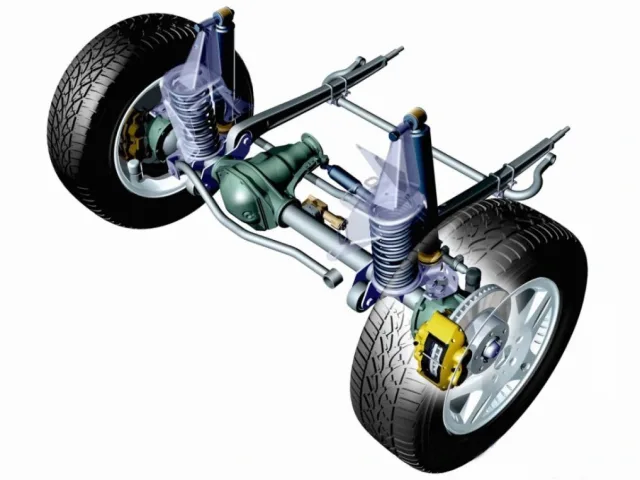
Амортизаторов хватает на 100-120 тысяч км. Если автомобиль часто использовался на бездорожье — смело делите пробег на два.
Одно важное напоминание. При выборе б/у Gelandewagen обратите внимание на состояние поворотных кулаков. Если предыдущий владелец пропускал плановые ТО, они могут быть в плохом состоянии. Во время техобслуживания в поворотных кулаках проверяют наличие смазки; если этого не делают, в механизм сквозь сальники может набиваться грязь, он ржавеет и приходит в негодность. Лечение в этом случае одно — замена моста. А его стоимость может быть сопоставима с ценой малолитражки. В этом случае от такого автомобиля лучше отказаться. И напоследок: если при осмотре подвески вы обнаружили небольшой люфт в рулевых тягах, это не значит, что их обязательно нужно менять. Дело в том, что в конструкции узла заложено небольшое биение.
Двигатель
"G230" (1993-1995 гг.)
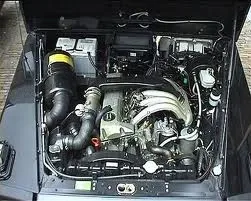
Бензиновый мотор объемом 2,3 л (126 л.с.). В этих двигателях стоит обратить внимание на систему впрыска. Применялось несколько ее вариантов. Наиболее капризной зарекомендовала себя "PMS". Ее контроллер управления не устойчив к воздействию солей и воды. В случае замены стоимость может достигать $2.000. Чтобы определить, какая система установлена на двигателе, нужно обратить внимание на патрубок, соединяющий воздухозаборник с воздушным фильтром. Если провода на нем отсутствуют, это "PMS". Во всех остальных системах впрыска с мотором "G230" проблемы возникают редко. Да и сами блоки на них значительно дешевле.
"G320" (1994-1997 гг.)
Бензиновый 6-цилиндровый двигатель 3,2 л (211 л.с.). С таким мотором расход топлива в среднем составляет около 17 л/100 км.
Стоит принять во внимание, что у таких моторов есть врожденный недостаток — течь масла через прокладки. Если течь обнаружена, готовьте 160$. От замены прокладки — 100.000 км. Если, конечно, причиной утечки масла не стал перегрев двигателя. Тогда все намного серьезнее. Очень часто это может привести к деформации головки двигателя. За шлифовку головки блока и притирку клапанов придется выложить до 500-600$. Если перегреть мотор еще раз, поможет только установка новой головки примерно за 3.500$.
Обратите внимание на водяную помпу. Новая вместе с установкой стоит 220$, а выйти из строя она может только потому, что вовремя не менялась охлаждающая жидкость.
"G320" (с 1997 г.)
Этот двигатель — V-образный (215 л.с). Средний расход топлива "G320" второго поколения довольно вменяемый — 13-14 л/100 км.
Первое, на что стоит обратить внимание — прилегание клапанов. Особенно после 100-120 тыс. км пробега! Оценить уровень прилегания клапанов можно по появлению ощутимого провала на средних оборотах. Двигаясь с постоянной скоростью, резко нажмите на акселератор; если в этот момент машина «утыкается», значит, проблема может существовать. Ее устранение — минимум 750$.
Если же за мотором был надлежащий уход и вовремя проводились регламентные работы, проблем с ним быть не должно.
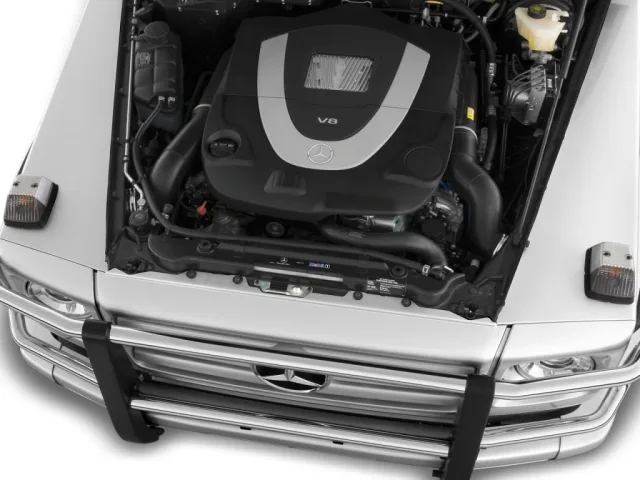
"G500" (ограниченная партия в 1993 г. и серийно с 1999 г.)
Этот агрегат — V8 объемом 5 литров и мощностью 296 л.с. (265 л.с. в ограниченной серии). Моторесурс такого мотора — 400-500 тыс. км. Экономить с таким двигателем не получится, поскольку средний расход топлива составляет 25 л/100 км.
Проблемами этого двигателя можно назвать утечку жидкости насоса гидроусилителя руля (250 $) и поломки датчика уровня моторного масла. Нередки и случаи прогорания прокладки головок блоков (устранение проблемы — 450-500$). Тем не менее, двигатели V8 считаются одними из самых надежных и выносливых среди всех моторов, устанавливавшихся на «кубик».
"G300D" (1993-1996 гг.)
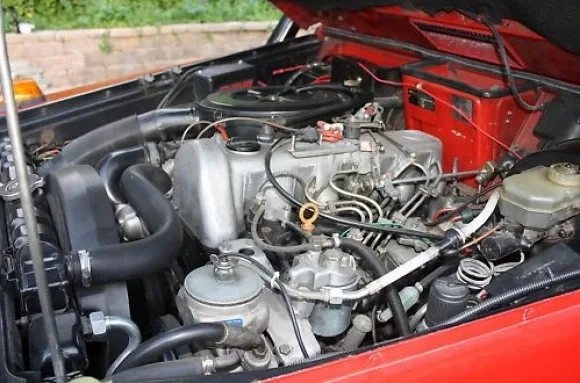
Один из самых экономичных двигателей Gelandewagen. Атмосферный шестицилиндровый дизельный двигатель 3.0 л (113 л.с.) имеет хороший запас тяги на малых оборотах. Хороший вариант именно для бездорожья. Автомобиль с таким мотором показывает средний расход топлива около 7,5 л/100 км.
Это, пожалуй, еще и самый надежный двигатель в семействе. Каких-либо типичных недостатков выявлено не было. Лучший выбор для тех, кто не разделяет мнение «есть деньги на машину, расходы на топливо не считаем».
"G35OTD" (1993-1996 гг.)
Отличается от предыдущего мотора увеличенным рабочим объемом и наличием турбонаддува. Мощность выросла до 136 л.с. За улучшенные показатели придется заплатить возросшим расходом топлива — 14 л/100 км.
Слабое место двигателя — турбина. Однако основные проблемы возникают не из-за конструкторских недоработок, а по вине небрежных владельцев. Для продления срока службы необходимо вовремя менять масло и не глушить мотор сразу после остановки, дав ему поработать на холостом ходу. Это необходимо для охлаждения турбины перед остановкой мотора. Ремонт турбины дорогостоящий, поэтому перед покупкой машины с таким мотором обязательно проведите ее осмотр.
Кроме того, двигатель боится перегрева. Желательно состояние двигателя проверить на специализированной станции. Ремонт головки блока может обойтись в сумму до 2000$.
"G3OOTD" (выпускается с 1996 года)
Замена предыдущих двух версий — G300D и G350TD. Развивает 177 л.с. Технические проблемы этого мотора, в основном, аналогичны тем, что и для мотора "G350TD".
Трансмиссия
При выборе б/у Mercedes-Benz G-Class нужно особое внимание уделить трансмиссии. Но связано это не с ее надежностью, а с тем, что ТО и ремонт достаточно дорогостоящие, поэтому многие продавцы не хотят выкладывать большие деньги на обслуживание автомобиля, который завтра окажется в других руках. Сама по себе трансмиссия «Гелендвагена» надежна. Проблемы могут возникнуть разве что с автоматической КПП.
Это не касается пятиступенчатых «автоматов» до 1996 года, они практически не ломаются. Следующая коробка — «автомат» шестой серии уже не могла похвастаться надежностью. Уже на 60.000-70.000 км пробега могут возникать рывки при смене передач. Коробку придется ремонтировать. А удовольствие это не из дешевых. В зависимости от количества необходимых запчастей стоимость ремонта может варьироваться от 1500$ до 3000$.
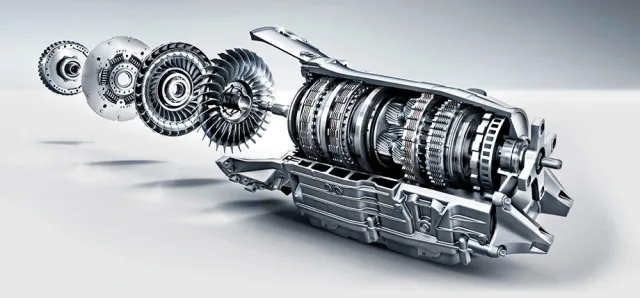
Определить плохое состояние коробки «на глаз» весьма непросто. Лучше продиагностировать коробку на специализированной станции. Но если пахнет гарью, а масло замутнено, ремонт не за горами. Это повод выторговать скидку на стоимость ремонта.
Раздаточные коробки практически не вызывают нареканий. А вот передний мост требует повышенного внимания. Нужно осмотреть его на предмет механических повреждений, особенно если автомобиль эксплуатировался на бездорожье. То же самое следует делать в отношении крестовин.
Плюсы
| Минусы
|
Выводы
Mercedes-Benz G-Class при надлежащем уходе будет надежным и верным помощником как в городе, так и на бездорожье. При покупке подержанного экземпляра лучше всего обратиться к специалисту, который оценит как общее состояние автомобиля, так и отдельных узлов и агрегатов. Эти затраты компенсируются сторицей, так как автомобиль достаточно дорогостоящий при ремонте, и вовремя обнаруженные проблемы позволят добиться существенной скидки при покупке.
Стоит заметить, что для людей, не привыкших нести существенные затраты на топливо, рассматривать бензиновые версии не стоит вовсе. Даже самый экономный бензиновый мотор поглощает не меньше 15-17 литров бензина в городе. И это при условии неспешной езды. Дизельные версии более умеренны в своем аппетите.
Кузов достаточно устойчив к ржавчине. Проблемы могут возникнуть только в местах, где повреждено заводское покрытие. Именно там и возникают очаги коррозии. Если она началась, то прогрессирует достаточно быстро. Медлить с устранением таких проблем не стоит.
Внутри автомобиля вполне комфортно. Но на ходу машина может понравиться не всем. Подвеска жестковата, а управление неоднозначно. Во всяком случае, прописывать повороты на предельных скоростях не рекомендуется. На прямой тоже не образец управляемости. На больших скоростях проявляется рыскание, требующее незначительного подруливания.
Но самое главное, что нужно заметить — такой автомобиль на последние деньги не покупают.