Для одних водителей фраза «не остановился по требованию инспектора ГАИ» звучит почти как приговор. Но речь не о тех, кто сознательно нарушает правила, а о нормальном автолюбителе, который в какой-то момент просто не увидел жест регулировщика или физически не успел затормозить. Такое действительно случается.
С точки зрения закона, это нарушение, за которое предусмотрена ответственность. Давайте разбираться по порядку.
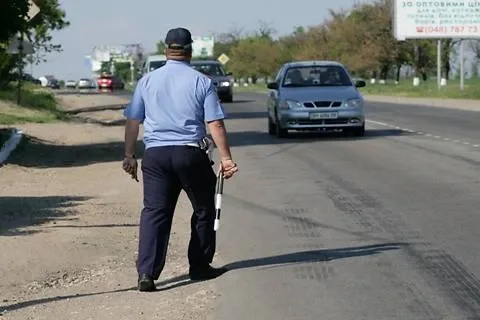
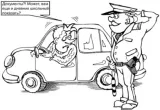
Представьте: вы едете, ничего не нарушая. Вдруг на дорогу выходит инспектор и взмахом жезла требует остановиться. А вы в этот момент, например, перестраивались — либо не заметили сигнал, либо тормозить уже было поздно. Что тогда?
Вариант первый – инспектор решает не обращать внимания на этот факт,
вариант второй – садится в патрульную машину и отправляется за вами в погоню,
вариант третий – передает информацию о вашем авто по рации на другие посты.
Инспектор «не обиделся»
Сотрудники ГАИ утверждают, что без причины никого не останавливают. Если они машут жезлом — значит, причина есть (или найдется).
Однако если инспектор сам не уверен в вашей вине, у него нет достаточных доказательств нарушения, или остановка может спровоцировать аварию — он может просто проигнорировать этот случай, даже не передав информацию на соседние посты.
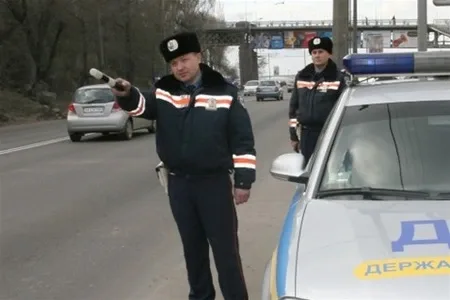
На практике так бывает довольно часто, особенно если речь идет о «крутом» автомобиле с тонированными стеклами.
Но рассчитывать на это не стоит: известны случаи, когда инспекторы выбегали на третью (!) полосу движения или начинали преследование (об этом ниже).
Операция «Перехват»
Погоня — это скорее редкость, ведь для нее нужно подключать дополнительную технику (обычно на дежурстве стоят с радарами) или задействовать другие экипажи.
Тем не менее, такое происходит. И вот тут я бы не советовал играть в героя. Погони или проезд мимо нескольких постов подряд обычно заканчиваются плохо: дорогу могут полностью перекрыть, а в крайнем случае — открыть огонь по машине.
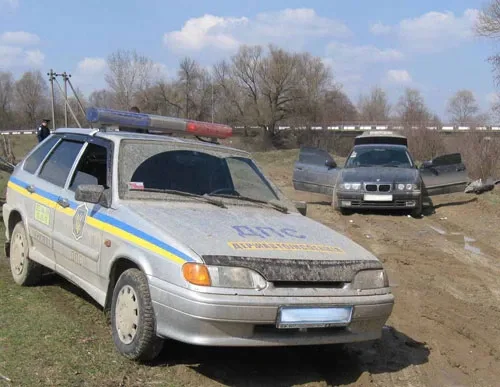
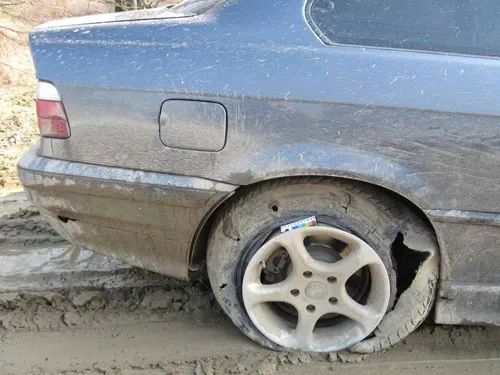
Чем это может обернуться — объяснять, думаю, излишне. Хотя бывают и забавные случаи. Например, один водитель, не остановившийся по требованию, решил скрыться: быстро припарковался и запрыгнул в маршрутку. Но инспекторы разгадали его план и остановили автобус, в котором он ехал.
Если же вам удалось уйти от погони, готовьтесь к нервным поездкам как минимум на несколько недель. Ваш номер запомнят и передадут на все посты. По базе пробьют ваш адрес. Последствия будут малоприятными.
Остановка на следующем посту
Третий сценарий — вас все же тормозят на ближайшем посту.
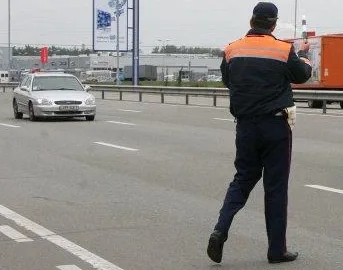
Что касается факта нарушения — формально он есть: не выполнили требование об остановке.
А вот с доказательствами сложнее. Инспектор должен объяснить, почему вас остановили (со слов предыдущего экипажа), и предоставить доказательства. Кроме того, у вас есть право аргументировать свои действия тем, что остановка была невозможна без создания аварийной ситуации (п. 2.14 «е» Правил).
Если на следующем посту вам нечего предъявить, скорее всего, вас отпустят, посоветовав быть внимательнее.
Но многое зависит от водителя: его опыта, знания ПДД и даже настроения инспекторов. Например, в Киеве был случай, когда на одном посту остановили человека, не подчинившегося требованию инспектора. Через минуту подъезжает другая машина, из нее выскакивает разъяренный гаишник, забирает права и оформляет протокол со всеми последствиями.
В суде водителю удалось доказать свою невиновность, приведя убедительные аргументы, что он адекватный человек, а ситуация — просто стечение обстоятельств.
Вывод
Будьте внимательны на дороге!
Лучше уладить все вопросы с одним патрулем, чем запустить механизм всей системы МВД.
Мнение юриста
Виталий Савчук, юрист ООО «Рыбин и партнеры»
Согласно п.2.4 Правил дорожного движения, водитель обязан остановиться по требованию сотрудника милиции и предоставить авто для проверки. За невыполнение этого требования предусмотрен штраф от 153 до 187 грн. или лишение прав на срок до 6 месяцев (ст. 122-2 КоАП Украины).
Есть и исключения. Если водитель объективно не может остановиться из-за угрозы для жизни, здоровья или других непреодолимых обстоятельств, это не считается нарушением (п. 2.14 «е» Правил).
Уважаемые читатели! Присылайте свои идеи для рубрики «Что будет если...». С удовольствием разберем их вместе с вами.