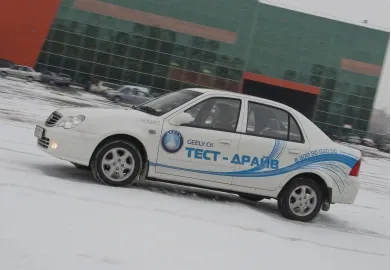
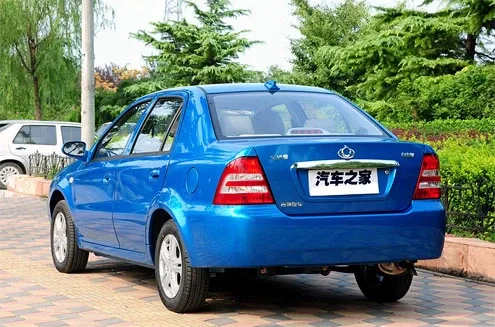
Работа над Geely CK стартовала в 2003-м в партнерстве с южнокорейской компанией Daewoo. Серийная версия дебютировала в 2005 году на Франкфуртском автосалоне. На китайском рынке машину назвали «корабль свободы» — 自由艦 (Ziyoujian). Для Европы такое имя не подходило, поэтому автомобиль получил индекс СК. А вот в России его знают как Geely Otaka.
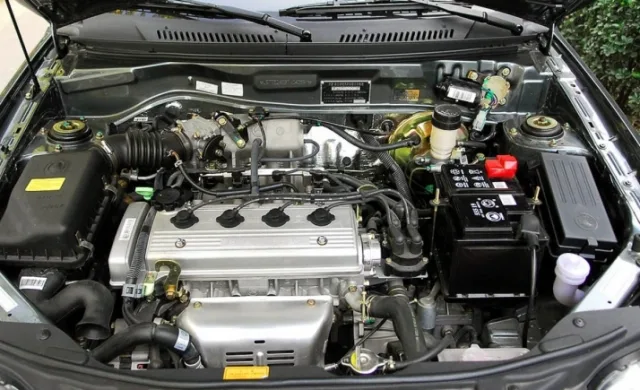
Несмотря на скромные габариты, это едва ли не единственный бюджетный седан, оснащенный многорычажной (!) задней подвеской.
В 2008-м Geely показала второе поколение модели, названное СК-2. В Украине седан в обновленном виде начали выпускать с февраля 2009 года на (КрАСЗ). Доступен только один тип кузова — седан.
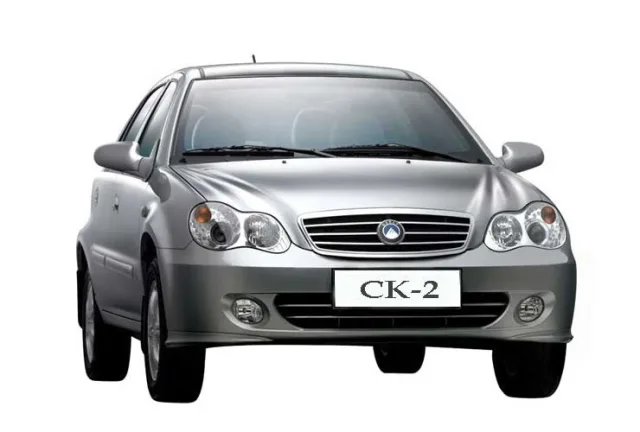
Описание:
Тип кузова: седан
Габариты (длина х ширина х высота): 4152 мм х 1680 мм х 1440 мм
Колесная база: 2434 мм
Клиренс: 170 мм
Полная масса: 1377 кг
Объем топливного бака: 45 л
Радиус разворота: 10,5 м
Двигатель:
Бензиновый, четырехцилиндровый, рядный, поперечно расположенный
Рабочий объем, см.куб: 1498
Мощность, л.с/об/мин: 94/6000
Крутящий момент, Нм/об/мин.: 128
Клапанов на цилиндр: 4
Привод: передний
КПП: механическая, 5 ступеней
Тормоза передние/задние: дисковые/барабанные
Подвеска передняя/задняя: независимая, типа Макферсон/независимая, пружинная, многорычажная
Кузов
Жесткостью кузов CK похвастаться не может. Это заметно при движении по неровностям и в поворотах. Металл кузовных панелей тонкий и не самого лучшего качества. Поэтому даже после легкого ДТП мастера на СТО чаще советуют менять поврежденную деталь, а не пытаться ее отремонтировать.
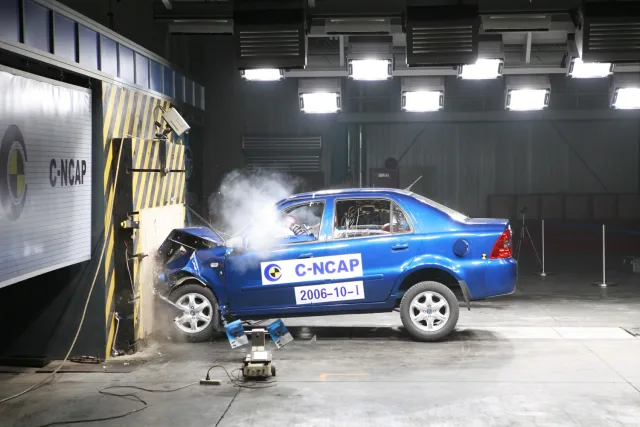
Оцинковки у Geely CK нет. Владельцы часто сетуют на слабую стойкость к коррозии. Лакокрасочное покрытие также оставляет желать лучшего — краска тонкая, поэтому сколы появляются быстро, а вслед за ними и ржавчина.
Подвеска
Характер автомобиля на дороге противоречив. С одной стороны, подвеска жесткая и энергоемкая, с другой — в поворотах машина заметно кренится, что может напугать. На разбитых дорогах легко пересчитать все швы и стыки, и удовольствия это не доставляет. Привыкнуть к такой двойственности непросто даже после долгого опыта вождения. Новичок может решить, что ходовая часть неисправна или требует настройки.
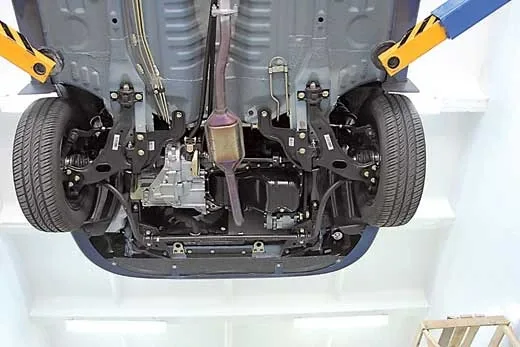
Исправить заводские недочеты можно, заменив штатные амортизаторы на продукцию немецких или итальянских производителей. Если вдобавок поменять все резиновые втулки, поведение машины может измениться кардинально. Влияет на ощущения и резина: та, что стоит с завода, мягко говоря, не лучший выбор. Смена ее на более качественную — один из шагов к повышению безопасности.
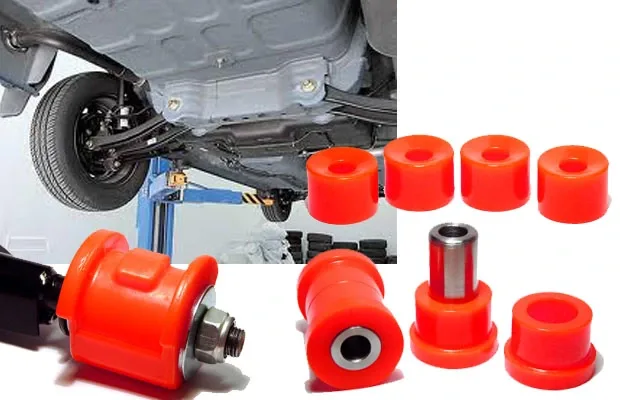
Задняя подвеска многорычажная, а значит, при ремонте придется менять больше деталей, чем на машинах с зависимой или полузависимой схемой. Но есть и плюс: до серьезного вмешательства она обычно ходит 120-140 тыс. км.
Салон
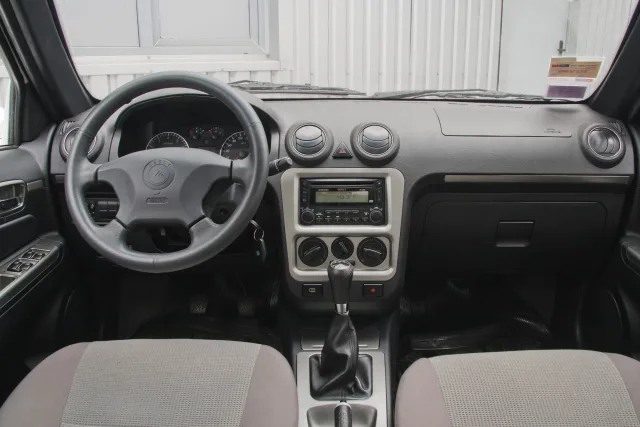
К интерьеру у владельцев серьезных нареканий нет (если не считать жесткий пластик). Внутри достаточно просторно, а багажник легко вместит не один мешок картошки.
Правда, попадаются экземпляры, где через 3-5 лет пластиковые детали отделки начинают «жить своей жизнью» — скрипят, гудят, трещат. Обычно это касается машин с пробегом свыше 100 тысяч км. Бывают и случаи отказа электростеклоподъемников, потухания приборов или заедания отдельных кнопок.
Шумоизоляция слабая, особенно в районе колесных арок и багажника. Боковые зеркала маловаты. Даже в максимальной комплектации нет подогрева форсунок омывателя и обогрева стекла в зоне покоя дворников.
Трансмиссия
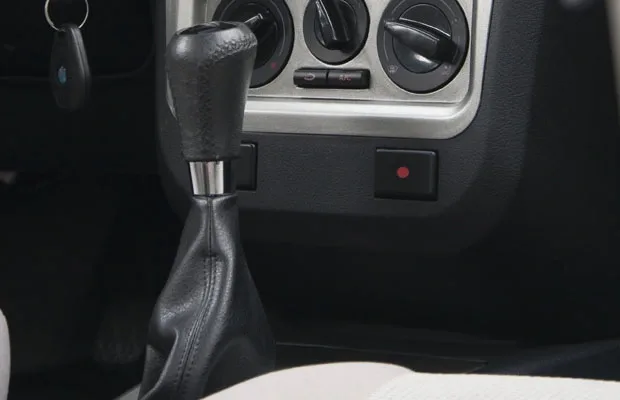
Особых советов по проверке трансмиссии при покупке подержанного авто нет. Стоит проверить подшипник первичного вала, сальники и рулевую рейку. Любые неисправности в этих узлах могут указывать на общее состояние машины и отношение к ней прежнего хозяина.
Сама коробка передач довольно надежна. В 90% случаев поломки случаются из-за неправильной эксплуатации. Слабое место — сцепление. Оно служит в среднем около 80 тысяч км. Также сцепление не любит пробуксовок — спалить его несложно, и тогда поможет только замена.
Электрика
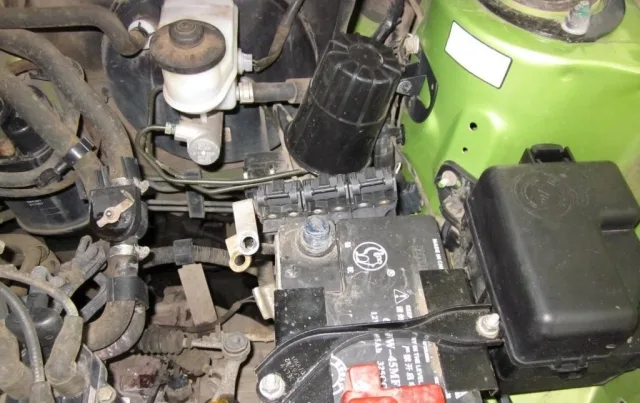
Часто выходит из строя генератор. Перед покупкой стоит проверить состояние контактных щеток. Также осмотрите жгуты проводов — китайские инженеры могли проложить их так, что провод перетирается о кузов. Обратите внимание и на фары: запотевание — распространенная проблема Geely CK.
Выводы
Geely CK — достойный автомобиль за свои деньги. При аккуратной эксплуатации он не докучает частыми поломками. Основные работы — это плановое ТО и замена расходников. Если машину часто гонять по проселкам и разбитым дорогам (что, скорее всего, и будет), владельцу придется чаще менять амортизаторы, сайлент-блоки и резиновые втулки. Корзину и диск сцепления смело можно считать расходниками — их хватает на 75-85 тыс. км. К счастью, стоят они недорого. При таком пробеге стоит быть готовым и к тому, что салон наполнится не только звуками магнитолы.
Главный плюс Geely CK — цена. Кроме того, после пяти лет эксплуатации машина теряет в стоимости около 30-36% от первоначальной. Для китайских автомобилей это очень хороший показатель.
Пятилетний автомобиль в хорошем состоянии и с «тихим» салоном в среднем стоит около $5-6 тысяч. Примечательно, что семилетние экземпляры дешевле всего на 200-300 долларов. Подробнее — в каталоге б/у авто.
Плюсы
| Минусы
|
Цены на некоторые запчасти (грн.):
Ремень ГРМ/натяжной ролик 205/93
Свеча зажигания 26
Фильтр масляный 32
Фильтр воздушный 46
Фильтр топливный 67
Амортизатор передний 520
Амортизатор задний в сборе с отбойником и пыльником 578
Подшипник передней ступицы 280
Колодки передние 273
Колодки тормозные задние 182
Диск сцепления 976
Корзина сцепления в сборе 245
Бампер передний 624
Бампер задний 412
Фара передняя 482
Крыло переднее 443
Зеркало заднего вида 274
Указаны цены на оригинальные запчасти. Неоригинальные могут стоить в 2-3 раза дешевле.