АвтоПортал взялся выяснить, что скрывается за понятием "чип-тюнинг", и на практике оценить сильные и слабые стороны подобной доработки.
Суть чип-тюнинга
В середине девяностых в европейских странах появился метод повышения мощности без вторжения в механику двигателя, получивший название чип-тюнинг.
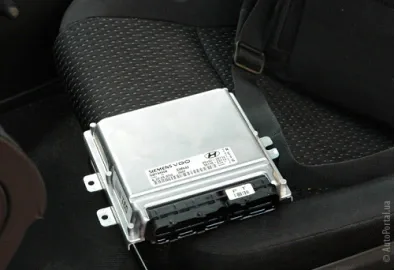
Такой способ улучшения динамических характеристик стал реален после того, как моторы начали оснащать электронными блоками управления, известными как ЭБУ или ECU.
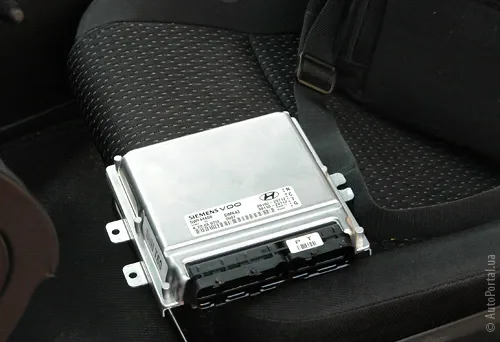
По сути, ЭБУ — это небольшой компьютер, который руководит работой силового агрегата. Как и у любого компьютера, у него есть микросхема памяти, где производитель хранит заводскую программу с заданными параметрами управления.
Чип-тюнинг подразумевает изменение этих заводских настроек с помощью специальных программ-контроллеров, что позволяет раскрыть скрытый потенциал двигателя.
Тюнинг-ателье зачастую не правят файлы сами, а отправляют их в компании, которые специализируются именно на такой работе. Итоговый результат напрямую зависит от того, насколько грамотно специалист, редактирующий прошивку, понимает устройство мотора, его резервы и уязвимые места.
Для работы с программами контроллеров применяется специализированное ПО, которое помогает визуализировать калибровочные таблицы в виде графиков.
Благодаря перепрошивке можно настроить: системы, отвечающие за экологичность, топливоподачу, угол опережения зажигания и порог срабатывания ограничителя оборотов.
В итоге на атмосферных двигателях можно получить прирост крутящего момента и мощности в диапазоне 5–10%. Если мотор турбированный, то, изменив настройки давления наддува, можно добиться увеличения показателей на 20–30% от исходных.
После такой доработки у автомобиля появляется дополнительный запас мощности, что упрощает обгоны и позволяет реже переключать передачи. На машинах с АКПП переключения становятся более плавными.
Больший запас мощности не означает, что автомобиль станет потреблять больше топлива. Мотору становится легче разгонять авто с любых оборотов, поэтому нет нужды крутить его до предела.
При корректно выполненном чип-тюнинге топливная карта, как правило, корректируется в сторону уменьшения подачи топлива, а мощность растет за счет повышения КПД. Это подтверждается тем, что после процедуры расход обычно снижается, несмотря на возросшие мощность и момент.
Правда, в первые недели владельцы часто замечают повышенный аппетит. Но это объясняется желанием испытать новые возможности авто. Как только эмоции утихают, расход обычно стабилизируется на уровне ниже прежнего.
Еще один частый вопрос перед процедурой — не сократится ли ресурс двигателя. Но если мотору стало легче разгонять машину, почему он должен изнашиваться быстрее?
На деле ресурс силового агрегата определяют другие факторы: качество масла и регулярность его замены, езда на непрогретом моторе на высоких оборотах и, безусловно, качество топлива.
Тогда почему завод не закладывает такие настройки сразу? Все просто: автомобили рассчитаны на массового покупателя, эксплуатируются в самых разных климатических условиях и на разном топливе. Поэтому производитель предпочитает подстраховаться и оставить в запасе те самые 20–30% мощности.
Индивидуально настраивать ПО под каждый автомобиль производителю невыгодно, поэтому используются усредненные настройки.
Часто к чип-тюнингу прибегают при переводе машины на газ. На заводской прошивке, рассчитанной на бензин, авто на газу работать будет, но эффективность такой работы будет далека от оптимальной.
Среди минусов чип-тюнинга можно отметить, что у атмосферных моторов сужается диапазон нечувствительности к качеству топлива, а также может вырасти чувствительность к высокой температуре окружающего воздуха.
Но не стоит забывать, что все современные двигатели оснащены датчиком детонации, который сообщает ЭБУ о входе в детонационную зону, вызванную плохим топливом или перегрузкой, и блок управления тут же уменьшает угол опережения зажигания. Кроме того, система охлаждения любого авто имеет 2–3-кратный запас производительности.
Что касается турбомоторов, то повышенную нагрузку на нагнетатель можно компенсировать более качественными маслами, улучшенным охлаждением и установкой турбо-таймера.
Проверка на деле
Набор ПО и оборудования для чип-тюнинга обойдется в 5000–10000 евро, а сама процедура перепрошивки — от 100 до 900 у.е. в зависимости от модели автомобиля.
Чип-тюнинг можно сделать практически любому инжекторному автомобилю — от ВАЗа до Porsche Cayenne.
Как отмечают эксперты компании «S-Auto», исключением являются лишь некоторые японские марки, моторы которых и так хорошо настроены.
Теория — это хорошо, но мы решили проверить все на практике и провести чип-тюнинг на нашем собственном автомобиле.
Наш подопытный — Hyundai Tiburon GS 2.0 AT 2007 года, мощностью 138 л.с. при 6000 об/мин, с пробегом 26 тысяч километров.

Заявленные характеристики:
- Расход в городском цикле, л 11,8
- Расход на трассе, л 8,7
Фактические показатели:
- Расход в городе, л 13-14 (зависит от стиля и сезона)
- Расход на трассе, л около 10
Основным разработчиком ПО для чип-тюнинга считается немецкая компания EVC, которая сотрудничает напрямую с автопроизводителями.
Для нашего авто технологию тюнинга приобрели у немецкой фирмы FastTuning, которая занимается этим с 1995 года и имеет филиалы в разных странах.
На сайте этой компании можно ввести данные автомобиля до процедуры и увидеть прогнозируемый результат. Для Hyundai Coupe (европейской версии Tiburon) цифры были следующими:
| NM | KW | PS | |
| Стандарт | 0 | 102 | 139 |
| После чип-тюнинга | +28 | 114 | 155 |
В Германии такая услуга стоит 299 евро.
Процесс чиповки
Сначала нужно определиться с маркой бензина, под которую будет делаться прошивка. Мы, чтобы сэкономить, решили прошивать под А-92.
Для чистоты эксперимента мы отправились на Бориспольскую трассу, решив не использовать телеметрию, а просто замерить разгон до сотни с помощью обычного секундомера в мобильном телефоне, сделав пять-шесть попыток.
Вот что у нас получилось (в салоне было трое человек):
- Разгон 0–100 км/ч = 11,5 сек
- Разгон 60–100 км/ч = 7,5 сек
Теперь приступаем к самой процедуре:
- Снимаем минусовую клемму с аккумулятора,
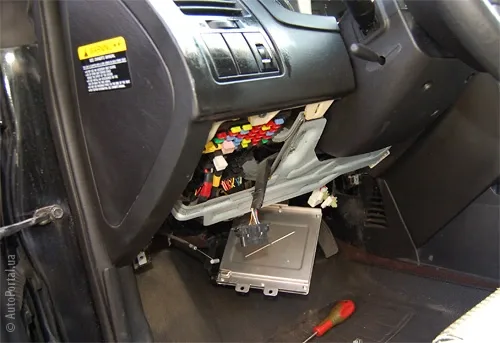
- Демонтируем крышку под рулевой колонкой,
- Отключаем ЭБУ
Блок управления подсоединяется к специальному устройству-загрузчику, считывается заводская программа, затем она корректируется и записывается обратно в контроллер.
Так выглядит в трехмерной графике калибровочная таблица угла опережения зажигания. Белая линия — это показатели до процедуры, красная — после.
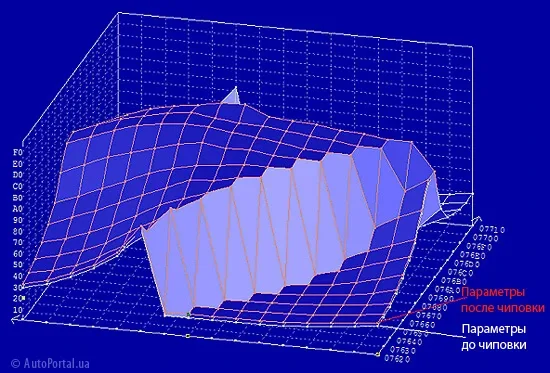
Оригинальная прошивка не стирается, а сохраняется на случай гарантийных претензий — если владельцу что-то не понравится, ему бесплатно вернут заводскую версию.
Стоит отметить, что в компании «S-Auto», которая проводила тюнинг нашего автомобиля, такой случай был лишь однажды — владелец Skoda Octavia 1.9 оказался не готов к возросшей динамике своего авто.
Итак, самый ответственный момент — ЭБУ возвращается на место, мотор запускается, и мы отправляемся на трассу испытывать обновленный Tiburon. Вся процедура заняла около часа.
Стоит отметить, что звук мотора изменился — стал ниже и напоминает рычание. При старте с места нужно аккуратнее обращаться с педалью газа — колеса начинают пробуксовывать, а обороты набираются очень бодро. Похоже, придется немного перестроить манеру вождения и привыкнуть к дополнительным 15 л.с.
Теперь машине ничего не мешает разгоняться, особенно заметно выросла тяга на низких оборотах. Довести стрелку тахометра до красной зоны в 7 тысяч можно легко уже с 2,5 тысяч.
При спокойной езде расход топлива снизился почти на литр, и, судя по всему, будет падать и дальше.
Но вернемся на уже знакомую Бориспольскую трассу. Итоги новых замеров (в машине, как и раньше, было трое):
- Разгон 0–100 км/ч = 10,5 сек
- Разгон 60–100 км/ч = 6,8 сек
Поскольку мы еще не завершили полное тестирование перенастроенного автомобиля во всех режимах, о новых впечатлениях обязательно расскажем в следующем материале.