Вопрос о том, стоит ли ездить на изношенных шинах, каждый решает для себя сам. Однако стоит помнить: попытка сэкономить на новых покрышках может стоить жизни не только самому водителю, но и окружающим.
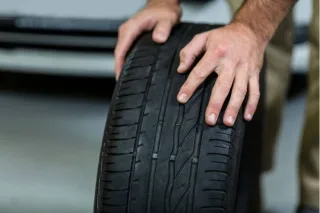
В Украине требования к минимальной глубине протектора закреплены в документе — приказе №33 от 1 марта 2010 года. Этот нормативный акт определяет перечень технических средств, которые используют подразделения Госавтоинспекции для фиксации нарушений ПДД. Согласно данному документу, для легковых автомобилей и грузовиков с максимальной допустимой массой до 3,5 тонны остаточная глубина рисунка протектора не может быть меньше 1,6 мм. Правда, на практике у инспекторов ГАИ отсутствует сертифицированный прибор, позволяющий точно замерить этот показатель на месте.
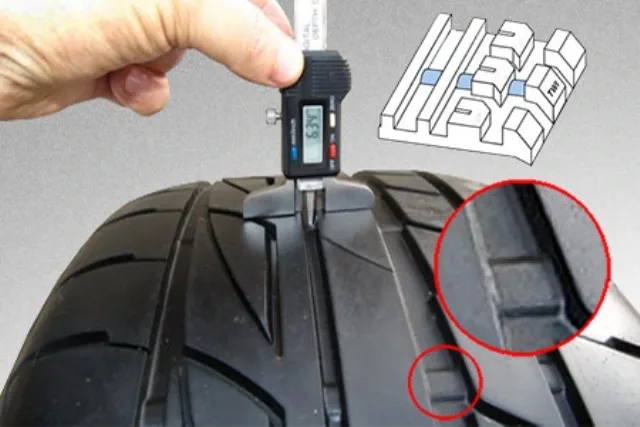
Что такое аквапланирование и слэшпленинг
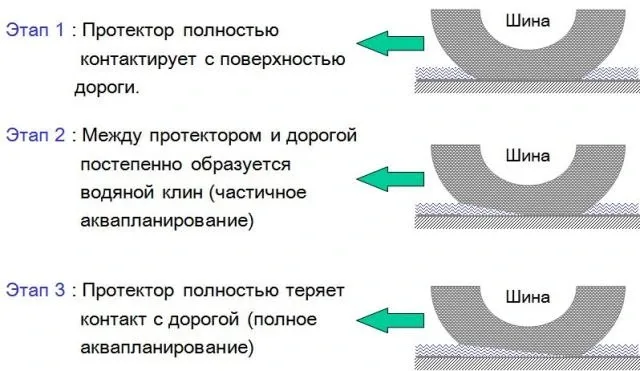
Если объяснять доступно, то аквапланирование — это ситуация, когда колеса буквально всплывают над дорогой, и машина полностью теряет сцепление с покрытием. Чем сильнее стерт протектор, тем выше вероятность такого эффекта. Вдобавок возрастает тормозной путь. К таким выводам пришли специалисты Nokian в ходе собственных исследований.
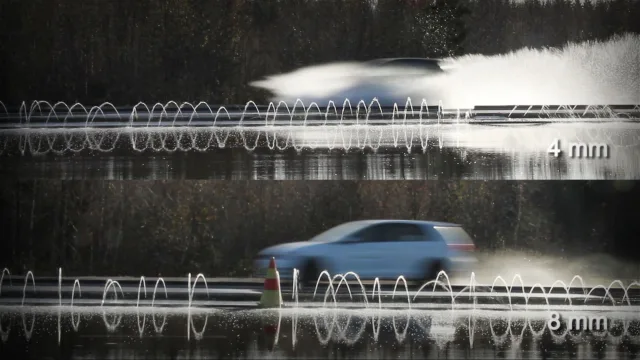
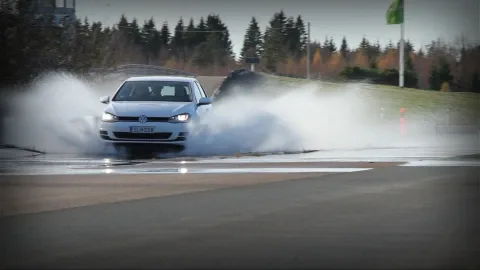
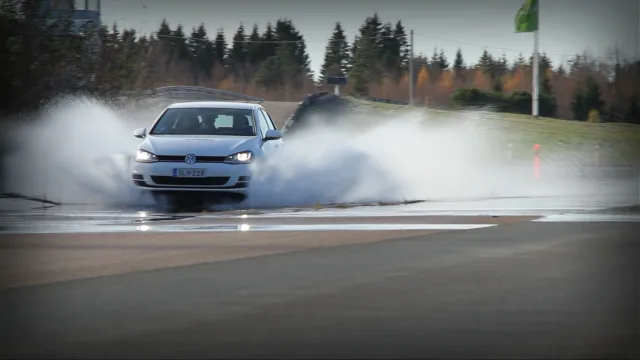
Ранее АвтоПортал уже писал о поездке на испытательный полигон в Финляндии, где мы знакомились с влиянием сопротивления качению и наблюдали за движением беспилотного автомобиля. Кроме этого, у нас была возможность самостоятельно опробовать шины с разной степенью износа и почувствовать разницу в управлении машиной на мокром асфальте.
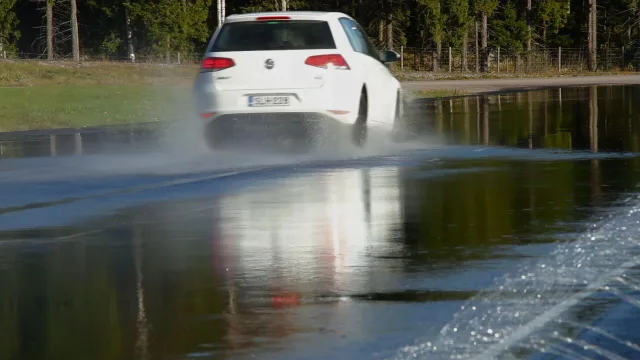
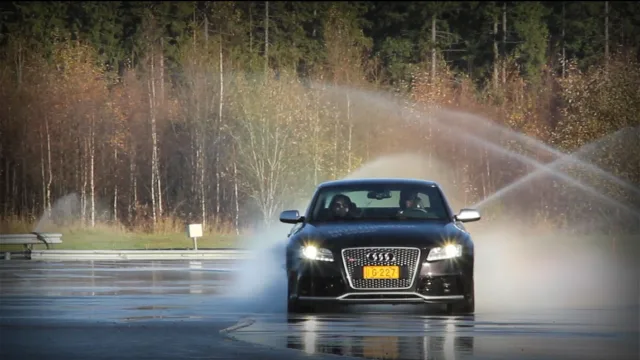
По результатам тестов, проведенных компанией Nokian, можно сделать следующие выводы. Если шины изношены до остатка протектора в 1,6 мм, то на дороге, покрытой слоем воды примерно в 5 мм, риск аквапланирования появляется уже на скорости 76 км/ч. Для новых покрышек этот порог выше — около 96 км/ч.
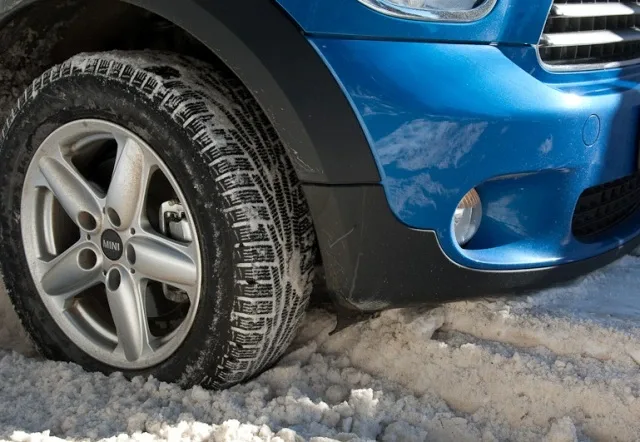
Существует также явление, которое называют слэшпленингом. По своей сути оно напоминает аквапланирование, но только происходит не на воде, а на шуге — той самой мокрой снежной каше, которая образуется во время оттепелей. Проще говоря, это скольжение по слякоти.
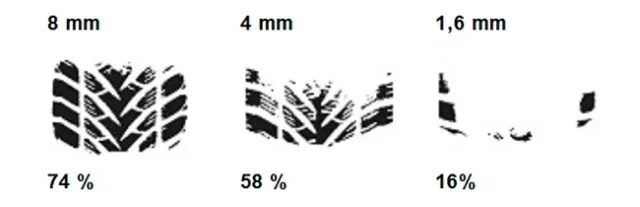
Когда протектор стерт или скорость движения слишком высока, шина перестает справляться с отводом воды. Причина в том, что площадь пятна контакта между покрышкой и дорогой резко сокращается. Представленная иллюстрация демонстрирует, как меняется размер зоны контакта у шин с различной глубиной протектора при слое воды в 3 мм и скорости 75 км/ч. У изношенной покрышки с остатком протектора 1,6 мм пятно контакта занимает всего 16% от того, которое было бы у стоящего на месте автомобиля.
Насколько заметно удлиняется тормозной путь, когда протектор изношен до 4 мм, и какие ощущения возникают при проезде через лужу на свежих шинах с глубиной протектора 8 мм, наглядно показано в нашем видеоматериале:
Итог
Если вам дорог собственный автомобиль и безопасность близких людей, не откладывайте замену покрышек на потом. Такое решение, конечно, бьет по бюджету, но последствия столкновения с впереди идущим транспортом или съезда в кювет обойдутся значительно дороже. Особенно не стоит выжимать из колес последние километры, доводя их до состояния «лысых». Даже при остаточной глубине протектора в 4 мм уже заметно ухудшаются тормозные свойства и устойчивость автомобиля на мокрой дороге. А что уж говорить о минимальных 1,6 мм...