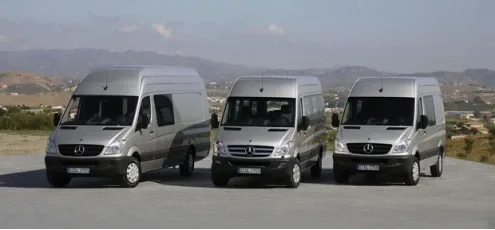
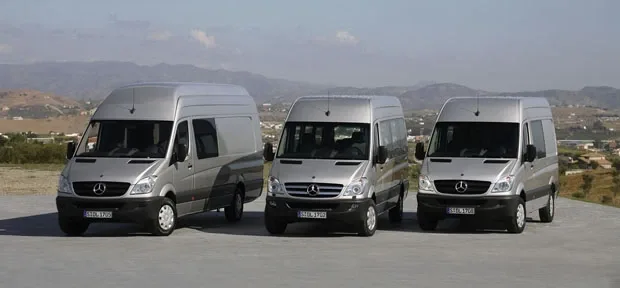
Mercedes-Benz Sprinter — это семейство лёгких коммерческих автомобилей от Mercedes-Benz, предназначенных для перевозки грузов, пассажиров или смешанных грузопассажирских перевозок. Модельный ряд предлагает четыре варианта длины кузова и три варианта высоты крыши. В зависимости от требуемой грузоподъёмности автомобиль может оснащаться односкатными или двухскатными задними колёсами. Максимально допустимая масса перевозимого груза достигает 3050 кг.
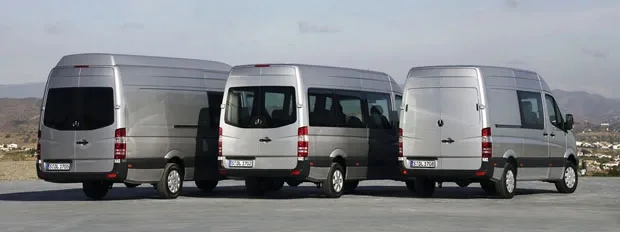
Линейка модификаций весьма обширна: от городских и междугородних пассажирских микроавтобусов и маршрутных такси до разнообразных грузовых фургонов, бортовых грузовиков, рефрижераторов и целого спектра специальной техники, включая автомобили скорой помощи, передвижные командные пункты, машины с манипуляторами и кранами.
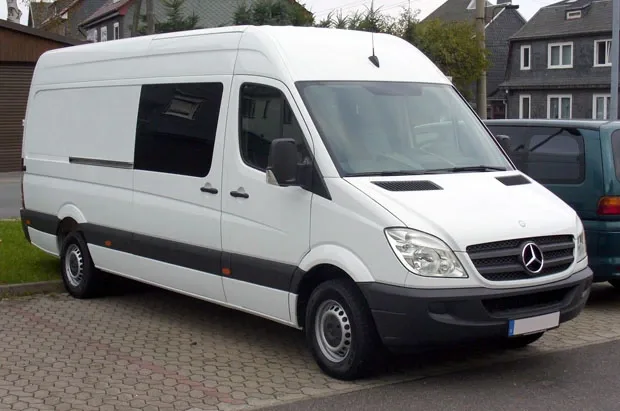
История
1995 год: Старт производства модели, которая пришла на смену предшественнику Mercedes-Benz T1.
2000 год: Проведено первое обновление внешности. Изменения затронули оптику, бамперы, капот, решётку радиатора и интерьер. В гамме моторов появились новые дизельные агрегаты с системой непосредственного впрыска CDI.
2002 год: Ещё одно обновление, в ходе которого в список оснащения добавили систему курсовой устойчивости ESP.
2006 год: Дебют второго поколения Mercedes-Benz Sprinter, выпуск которого продолжается и сейчас.
2013 год: Модернизация модели. Была обновлена передняя часть кузова, появились новые версии двигателей, соответствующие нормам Евро-6. Регламентный интервал технического обслуживания увеличен до 60 000 км.
Наибольшей популярностью на рынке пользуется второе поколение «Спринтера», выпускаемое с 2006 года. Именно о нём пойдёт речь далее.

Кузов
Mercedes-Benz Sprinter предлагается с тремя вариантами колёсной базы: 3250 мм, 3665 мм и 4325 мм. Общая длина автомобиля варьируется от 5243 мм до 7343 мм. Полная масса может составлять от 2 до 5 тонн. Конструкция кузова в принципе допускает некоторую перегрузку, однако такой практикой чаще грешат в странах СНГ, тогда как в Европе превышение допустимых норм — редкость.
Что касается кузова, то основные нарекания владельцев касаются коррозионной стойкости металла. У машин старше пяти лет на задних колёсных арках, крыльях и задней двери появляется ржавчина. Передние двери также не застрахованы от этого, хотя и держатся несколько дольше задних распашных.
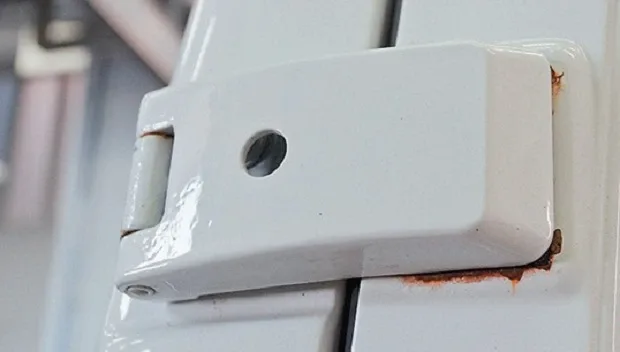
Кроме того, при осмотре стоит обратить внимание на днище, особенно на состояние лонжеронов в задней части. Постоянная эксплуатация с перегрузом может привести к их деформации. От покупки такого автомобиля лучше отказаться. Это замечание в первую очередь касается версий с удлинённой базой.
Версии кузова
| Колесная база, мм | Объем багажника (с высокой крышей), м3 | Длина грузовой платформы, мм | Длина автомобиля, мм | Радиус разворота, м |
|---|---|---|---|---|
| 3250 | 7,5(8,5) | 2600 | 5245 | 12,3 |
| 3665 | 9(10,5) | 3265 | 5910 | 13,6 |
| 4325 | (14 / 15,5) | 4300 | 6940 | 15,6 |
| 4325 | (15,5 / 17) | 4700 | 7345 | 15,6 |
Салон
Рабочее место водителя и кабина выполнены в соответствии с европейскими стандартами эргономики. Кресло можно настроить по высоте, продольному положению и наклону спинки. В более дорогих комплектациях доступны регулировка поясничной поддержки и угла наклона подушки сиденья. Пластик, которым отделаны двери и боковые панели, жёсткий, но визуально смотрится приемлемо и не доставляет неудобств посторонними звуками. К эргономике передней панели претензий нет: все основные клавиши и переключатели находятся под рукой и хорошо видны. Предусмотрено достаточное количество отделений для документов, включая вместительный бардачок и подстаканники.
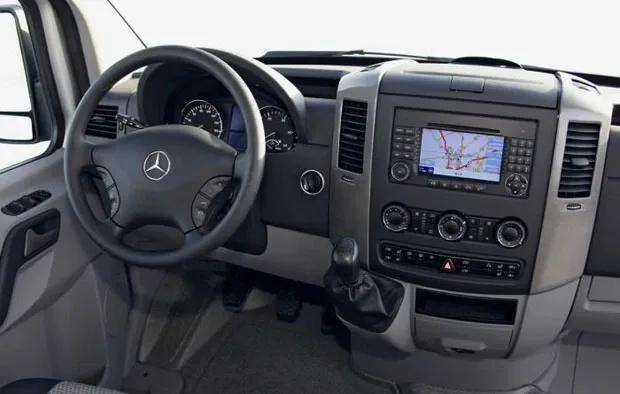
В грузопассажирских и пассажирских версиях боковая обшивка выполнена комбинированной — из пластика и ткани. Задние сиденья заводской установки являются быстросъёмными.
Уровень шумоизоляции не самый высокий, но для автомобиля такого класса он вполне приемлем.
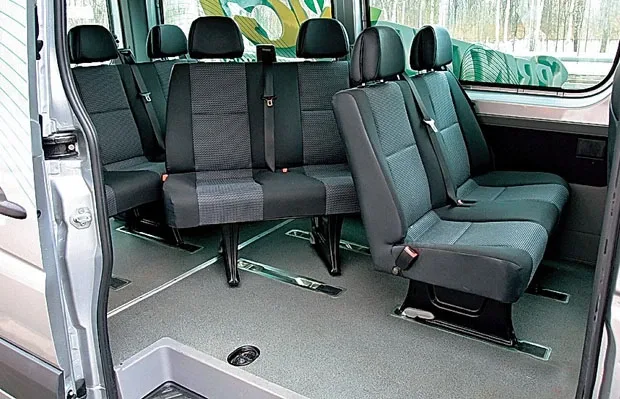
В целом, к интерьеру и кабине серьёзных замечаний нет.
Двигатель
| Модель | Количество цилиндров | Объем, см3 | Мощность, кВт(л.с.) | Крутящий момент, Нм | Года выпуска |
|---|---|---|---|---|---|
| Дизельные | |||||
| 209 CDI/309 CDI/409 CDI | 4 в ряд | 2148 | 65(88) при 3800/мин | 220 при 1600–2600/мин | 2006–2009 |
| 210 CDI/310 CDI/510 CDI | 4 в ряд | 2143 | 70(95) при 3800/мин | 250 при 1400–2400/мин | с 2009 |
| 211 CDI/311 CDI/411 CDI/511 CDI | 4 в ряд | 2148 | 80(109) при 3800/мин | 280 при 1600–2400/мин | 2006–2009 |
| 213 CDI/313 CDI | 4 в ряд | 2148 | 95(129) при 3800/мин | 305 при 1200–2400/мин | 2006–2009 |
| 213 CDI/313 CDI | 4 в ряд | 2143 | 95(129) при 3800/мин | 305 при 1200–2400/мин | с марта 2009 |
| 215 CDI/315 CDI/415 CDI/515 CDI | 4 в ряд | 2148 | 110(150) при 3800/мин | 330 при 1200–2400/мин | 2006–2009 |
| 216 CDI/316 CDI/416 CDI/516 CDI | 4 в ряд | 2143 | 120(163) при 3800/мин | 360 при 1400–2400/мин | с марта 2009 |
| 218 CDI/318 CDI/418 CDI/518 CDI | 6 V-образно, 72° | 2987 | 135(184) при 3800/мин | 400 при 1600–2600/мин | 2006–2009 |
| 219 CDI/319 CDI/419 CDI/519 CDI | 6 V-образно, 72° | 2987 | 140(190) при 3800/мин | 440 при 1600–2600/мин | с марта 2009 |
| Бензиновые | |||||
| 216/316 | 4 в ряд | 1796 | 115(156) при 5000/мин | 240 при 3000–4000/мин | с 2008 |
| 316 NGT | 316 NGT | 1796 | 115(156) при 5000/мин | 240 при 3000−4000/мин | с 2008 |
| 224/324/424/524 | 6 V-образно, 72° | 3498 | 190(258) при 5900/мин | 340 при 2500–5000/мин | 2006–2009 |
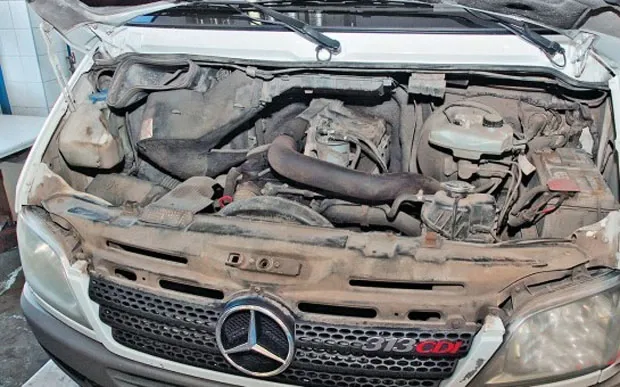
Практически все силовые агрегаты зарекомендовали себя как надёжные — при должном уходе они способны пройти 400–500 тысяч километров. Основные проблемы в процессе эксплуатации обычно связаны с несвоевременным обслуживанием и неправильными условиями использования. Встречаются жалобы на отказы турбины уже на пробеге около 120 тыс. км. Причиной этого часто становится некачественное моторное масло. Ещё одной распространённой причиной выхода турбины из строя является привычка глушить двигатель сразу после поездки, не давая ему поработать на холостом ходу для охлаждения. Если следовать инструкциям, использовать хорошие масла и перед остановкой давать мотору поработать 2–3 минуты на холостых (или установить турботаймер), ресурс турбины может достичь 350–400 тыс. км.
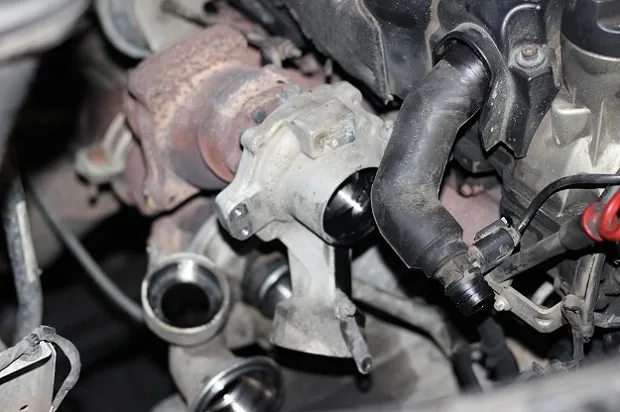
Все дизельные двигатели Sprinter чувствительны к качеству топлива. Использование некачественной солярки быстро приводит к необходимости ремонта топливной системы и замены форсунок. Также иногда возникают неполадки с электрикой, в частности с датчиками и блоками управления. На некоторых современных двигателях встречаются случаи преждевременного засорения сажевого фильтра. Завод-изготовитель заявляет ресурс фильтра в 250 тыс. км, однако с учётом качества местного топлива он выходит из строя примерно через 80 тыс. км.
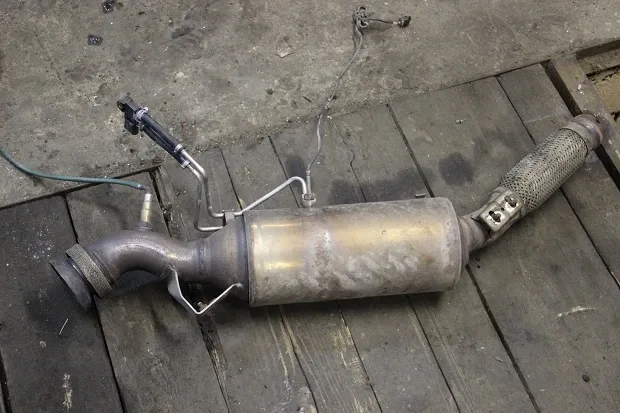
Рано или поздно фильтр всё равно потребует замены, а новый стоит немалых денег (цены на запчасти приведены в конце статьи). Выходом из ситуации может стать удаление сажевого фильтра. Некоторые владельцы так и поступают. Чтобы электроника не сигнализировала об ошибках, блок управления перепрошивают.
Трансмиссия
Начиная со второго поколения, для Mercedes-Benz Sprinter предлагалось три варианта коробок передач: 6-ступенчатая механика, 5-ступенчатый автомат или 6-ступенчатый автомат.
Все типы КПП отличаются надёжностью и долговечностью. Главное — регулярно проверять их на предмет подтеканий масла, а в автоматических коробках своевременно менять масло и фильтр. Если обнаружена течь в районе сальников, это может свидетельствовать о работе коробки с недостаточным уровнем масла. Такой агрегат при диагностике требует особого внимания.
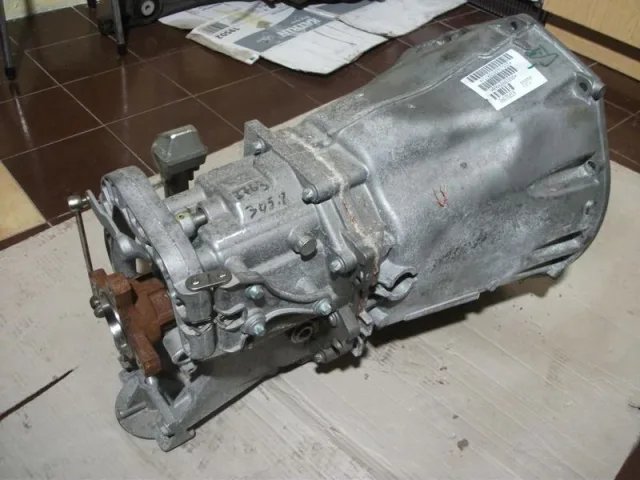
Как и при выборе любого другого автомобиля, при покупке Sprinter стоит проверить работу коробки передач, хотя бы на слух. Посторонних шумов быть не должно — ни при переключении, ни при трогании с места, ни при торможении двигателем. Если слышны стуки, толчки или гул, лучше отправиться на СТО или рассмотреть другой вариант. Можно также попытаться сбить цену: для механики торг уместен в пределах 20–30 тыс. грн, а для автомата — примерно в полтора раза больше. Именно столько в среднем стоит полное восстановление КПП в специализированном сервисе.
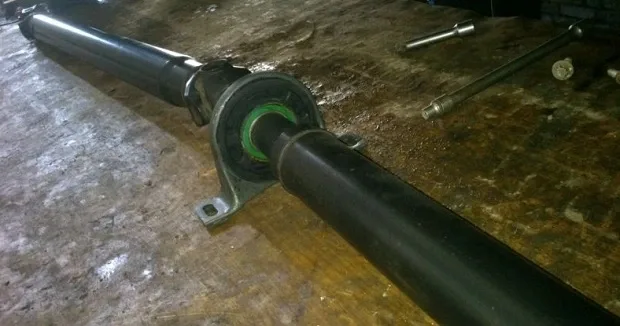
Карданный вал заднего привода тоже требует внимания, поскольку износ игольчатых подшипников крестовин может привести к неожиданным поломкам в дороге. Подвесные подшипники кардана служат примерно 60–80 тыс. км; если не заменить их вовремя, к 150 тыс. км придётся менять весь карданный вал целиком, так как его конструкция не предусматривает замену крестовин отдельно. Впрочем, в нашей стране есть компании, которые берутся за реставрацию кардана и дают гарантию на 30–40 тыс. км пробега. Стоимость такой услуги — от 3000 до 4000 грн за вал в сборе.
Ходовая часть
Передняя подвеска Sprinter выполнена на основе стоек со встроенными амортизаторами, нижних поперечных треугольных рычагов и поперечной листовой рессоры. Стабилизатор поперечной устойчивости устанавливается не на все модификации.
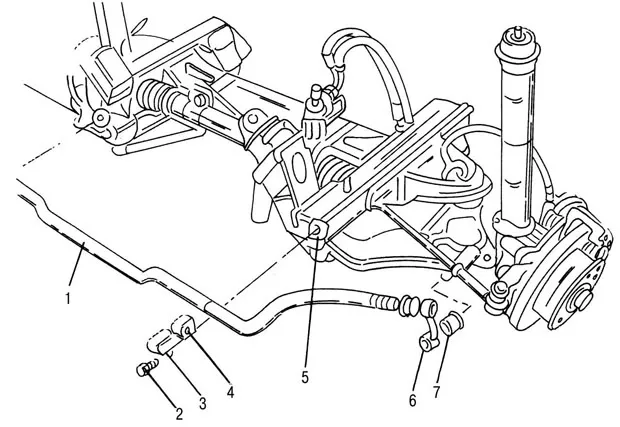
Устройство переднего моста в сборе: 1 — стабилизатор поперечной устойчивости; 2 — болт; 3 — зажим стабилизатора поперечной устойчивости; 4 — резинометаллическая опора (при замене смазать маслом); 5 — гайка, 25–28 Н·м; 6 — соединительная тяга; 7 — резинометаллические втулки соединительной тяги (при замене смазать маслом)
Задняя подвеска — это листовые рессоры с амортизаторами. Задний мост, так же как и передний, в базовой комплектации или за доплату может оснащаться стабилизатором поперечной устойчивости.
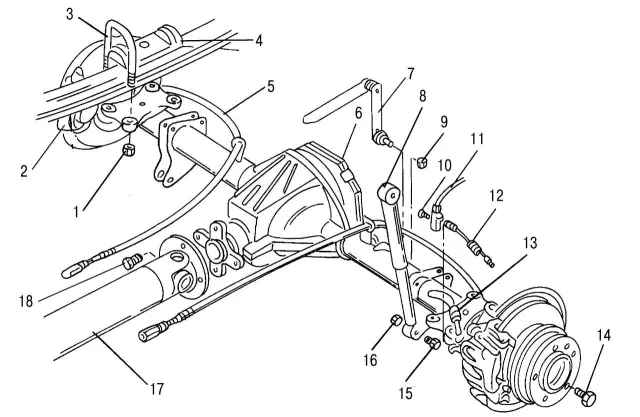
Задний мост автомобиля: 1 — гайка стремянки рессоры, 100–120 Н·м; 2 — рессора; 3 — стремянка рессоры; 4 — упорная резиновая накладка; 5 — трос стояночного тормоза; 6 — задний мост; 7 — рычаг привода регулятора давления задних тормозов; 8 — амортизатор; 9 — гайка, 30–35 Н·м (всегда подлежит замене); 10 — болт, 10 Н·м (всегда подлежит замене); 11 — разъем провода датчика износа тормозных колодок; 12 — провод датчика износа тормозных колодок; 13 — тормозной шланг, 12–16 Н·м; 14 — болт крепления колеса, 160–180 Н·м; 15 — болт крепления амортизатора; 16 — гайка, 75–85 Н·м (всегда подлежит замене); 17 — карданный вал; 18 — болт, 75 Н·м
Подвеска достаточно надёжна и долговечна. Поскольку детали приходится менять нечасто, она редко становится источником серьёзных финансовых затрат. На рынке представлен широкий выбор запчастей от сторонних производителей, качество которых практически не уступает оригинальным. Это позволяет экономить как на плановом, так и на внеплановом ремонте.
Даже если во время тест-драйва подвеска не вызвала никаких нареканий, рекомендуется всё же заехать на специализированную СТО. На таком тяжёлом автомобиле проверить амортизаторы «дедовским» способом — раскачкой кузова — не получится. Диагностика же покажет, насколько долго можно ездить без замены элементов подвески.
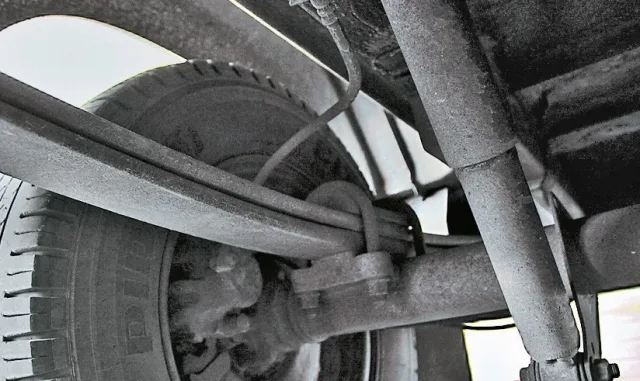
Одним из недостатков, на который жалуются отечественные владельцы, является возможность поломки рессоры при перегрузе. Однако производитель и не рассчитывал на эксплуатацию с многократным превышением допустимой массы, поэтому при осмотре стоит внимательно изучить рессоры. Если машину регулярно перегружали, это будет заметно — рессоры будут просевшими.
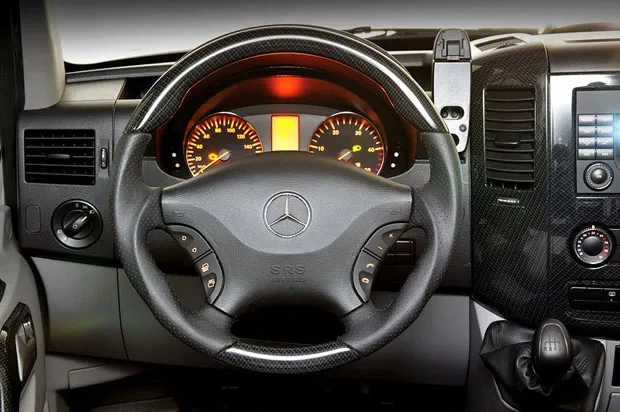
Также владельцы жалуются на электромеханический противоугонный блокиратор рулевого вала. В дальней дороге его отказ может стать серьёзной проблемой — руль просто не повернётся. А это уже опасно, ведь не всегда есть возможность оперативно отбуксировать автомобиль на СТО. Чтобы избежать такой ситуации, некоторые владельцы Спринтеров заранее демонтируют этот блокиратор.
Цены на запчасти, неоригинальные (грн.):
Сайлентблок рессоры задний - 120
передняя стойка - 1356
амортизатор задний - 460
колодки передние - 620
колодки задние - 537
тормозной диск передний - 800
тормозной диск задний - 600
фильтр топливный - 200
фильтр воздушный - 220
Плюсы
| Минусы
|
Итог
Если соблюдать элементарные правила технического обслуживания и ухода, Mercedes-Benz Sprinter практически не доставляет хлопот своему владельцу. Большинство внеплановых поломок происходит из-за игнорирования регламентных работ. Стоит помнить, что грузовые автомобили, как правило, находятся в лучшем состоянии, чем пассажирские. Причина в том, что автобусы, работающие как маршрутки, имеют значительно больший пробег и постоянно эксплуатируются в режиме разгон-торможение. Работают они почти круглосуточно, а часто меняющиеся водители, далеко не всегда профессионалы, не способствуют правильному уходу. Грузовые же машины чаще используются в более щадящем режиме — для перевозки оргтехники и других грузов. Для дальних регулярных рейсов их используют редко, отдавая предпочтение более дешёвым автомобилям.
При покупке подержанного Mercedes-Benz Sprinter, как и любого другого авто, стоит провести полную диагностику всех узлов и агрегатов, а также оценить состояние кузова. Именно его коррозионная стойкость является главным недостатком этой модели. Актуальные цены на вторичном рынке можно посмотреть в разделе б/у авто.
Поскольку многие владельцы Спринтеров обслуживают свои машины сами или у знакомых мастеров, приводим рекомендации производителя по уходу и техобслуживанию модели Mercedes-Benz Sprinter. Соблюдение этих норм — залог того, что автомобиль не подведёт своего хозяина:
| 1. Каждые 15 000 км (или ежегодно) необходимо проводить следующие работы: Заменить масло в двигателе Заменить масляный фильтр Провести смазочные работы Заменить тормозную жидкость самостоятельно либо выполнить на СТО Очистить водостоки самостоятельно либо выполнить на СТО |
| 2. Каждые 30 000 км (или раз в два года) необходимо проводить (дополнительно к вышеперечисленным) следующие работы: Проверить токсичность отработавших газов при работе двигателя на холостом ходу Очистить воздушный фильтр Проверить ременный привод в передней части двигателя Проверить герметичность и исправность тормозной системы Проверить элементы тормозной системы снизу автомобиля на возможные места утечек Проверить износ передних тормозных колодок. Если они сильно изношены, проверить также износ задних колодок. Перед установкой колес очистить внутреннюю сторону дисков Проверить герметичность и исправность системы выпуска Проверить и при необходимости отрегулировать стояночный тормоз Проверить тормоза на стенде Проверить состояние подвески самостоятельно либо на СТО Проверить рулевое управление самостоятельно либо на СТО Проверить состояние шин. При необходимости переставить колеса Проверить ремни безопасности самостоятельно либо на СТО Проверить исправность всех контрольных ламп и приборов Проверить стеклоочиститель и стеклоомыватель Проверить установку исходного положения щеток и их состояние Подтянуть колесные болты Проверить плотность электролита в батарее (если необходимо) и при необходимости долить дистиллированную воду Проверить уровень охлаждающей жидкости и плотность антифриза, при необходимости долить Осмотреть двигатель и моторный отсек на отсутствие подтекания масла, ослабленных креплений, соединений, трубопроводов и т.д. Долить жидкость в бачок омывателя Проверить исправность работы сцепления (возможные неполадки будут, скорее всего, известны до начала работ) Проверить износ наконечников рулевых тяг, состояние грязезащитных чехлов и защитных рукавов Проверить утечки масла на двигателе, коробке передач, редукторе, в рулевом управлении и т.д. Проверить уровень тормозной жидкости, особенно если обнаружен повышенный износ передних тормозных колодок Проверить уровень жидкости в бачке гидроусилителя Проверить уровень масла в дифференциале Проверить уровень масла в механической коробке передач Заменить охлаждающую жидкость Проверить состояние нижней защиты двигателя. Если необходимо, отремонтировать |
| 3. Каждые 60 000 км (или раз в четыре года) необходимо проводить (дополнительно к вышеперечисленным) следующие работы: Заменить рабочую жидкость и фильтр в автоматической КП Заменить топливный фильтр Проверить износ сцепления самостоятельно либо на СТО Проверить карданный вал самостоятельно либо на СТО |