Среди самых недорогих малолитражек на украинском рынке выделяются Daewoo Matiz и Chery QQ. Внешне они очень похожи, однако технически это совершенно разные автомобили, и ценники у них тоже разнятся. О том, как сделать правильный выбор и на что обратить внимание при покупке таких авто с пробегом, рассказывают эксперты АвтоПортала.
Chery QQ
Описание
• Тип кузова: хечбек
• Габариты Длина/Ширина/Высота, мм: 3550/1510/1490
• База, мм: 2330
• Дорожный просвет, мм: 115
• Масса снаряженная/полная, кг: 880/1265
• Объем багажника, л: 165/625
• Объем бака, л: 37
• Тип привода: передний
• КПП: 5-ст. механическая, 5-ст. робот
• Тормоза передние/задние: дисковые/барабанные
• Подвеска передняя/задняя: независимая/полузависимая
• Двигатели:
• Бензиновые 3-цилиндровый 0.8 л 12V (52 л. с.), 4-цилиндровый 1.1 л 16V (68 л. с.)
История
2003 год: Chery QQ впервые представили миру
2005 год: модель появилась в украинских автосалонах
2006 год: на базе QQ создали пятидверный лифтбек Chery Jaggi
2011 год: автомобиль пережил обновление внешности
Кузов
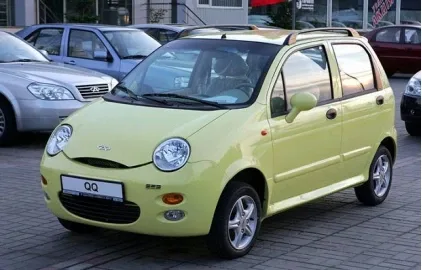
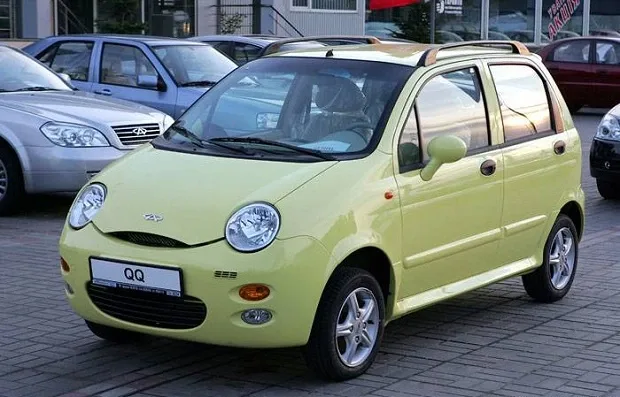
Chery QQ почти один в один повторяет облик Daewoo Matiz.
Металл, из которого сделан кузов китайского «двойника», тонкий и не слишком качественный, что напрямую влияет на безопасность при авариях. Это подтверждают и результаты краш-теста, проведенного специалистами издания «Авторевю».
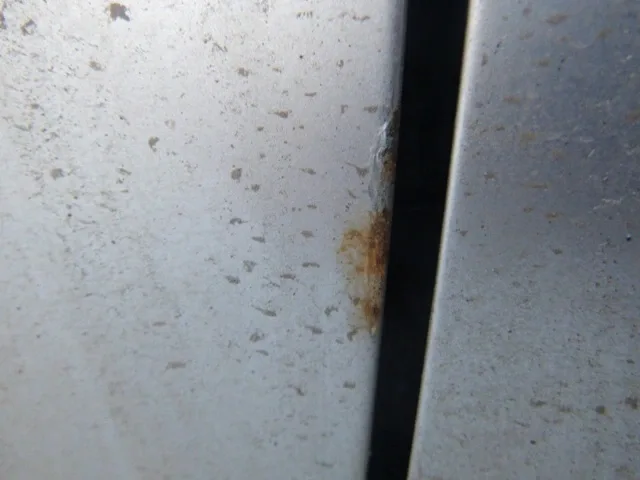
Лакокрасочное покрытие также далеко от идеала. Со временем краска начинает отслаиваться на бамперах, зеркалах и иногда на заднем спойлере. Устойчивость к коррозии тоже оставляет желать лучшего.
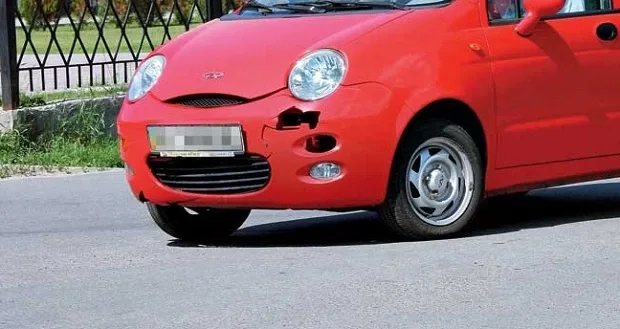
Отдельно стоит упомянуть хрупкие бамперы, которые покрываются трещинами даже от легких ударов.
Салон
Chery QQ существовал и существует исключительно в пятидверном исполнении. Заявлено пять мест, но с комфортом разместиться смогут лишь четверо. Светлая отделка салона очень маркая. Материалы дешевые, пластик твердый и не слишком приятный на ощупь, к тому же со временем он начинает скрипеть.
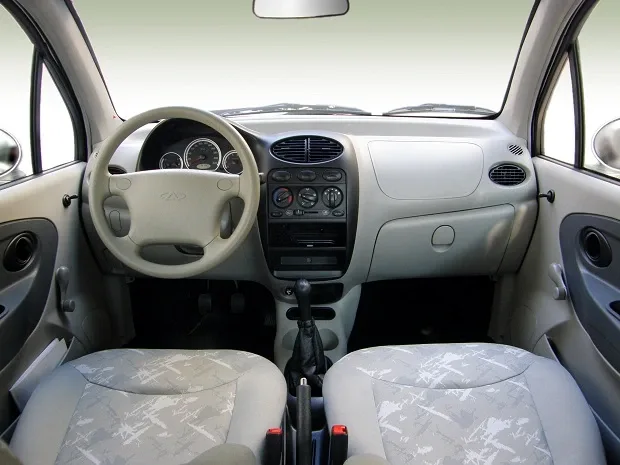
Пластик в «кукушке» (народное прозвище этой модели) источает неприятный запах. Особенно это чувствуется в жару или при работающем отопителе.
Обзорность у машины неплохая, что облегчает парковку. Правда, в базовой версии нет заднего дворника, и в дождь видимость назад заметно ухудшается.
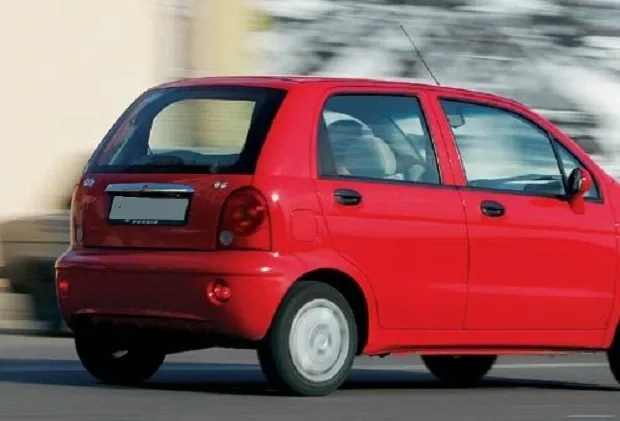
Шумоизоляция практически отсутствует, но для авто в этом ценовом сегменте это скорее норма.
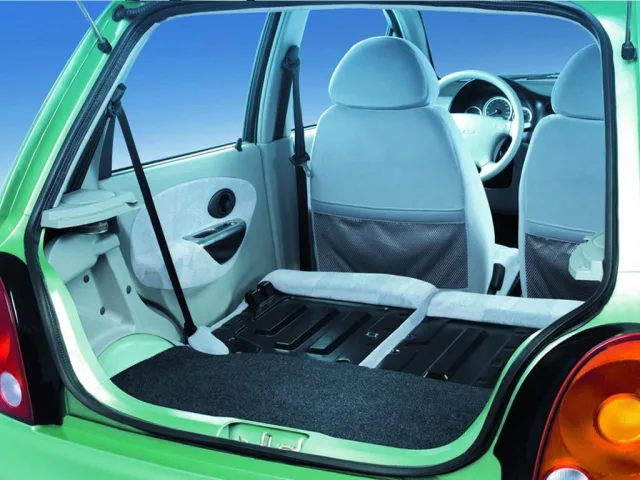
Багажник у Chery QQ скромный (165 л), однако если сложить задний диван, объем вырастает до 625 л. Спинка при этом складывается частями в пропорции 60:40.
Кондиционер работает странно: либо слишком интенсивно, либо едва заметно.
Блок управления светом вызывает вопросы. Новичку за рулем будет непросто найти переключатель фар, поскольку он больше похож на регулятор яркости приборки или корректор.
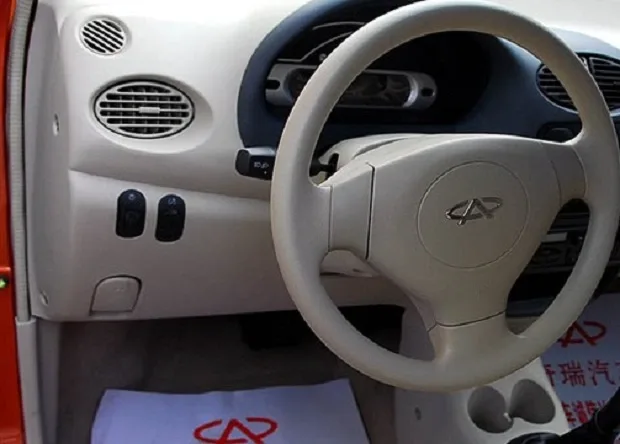
Педали расположены неудобно: узел смещен вправо, а сами педали находятся слишком близко друг к другу. На машинах с МКПП это ощущается особенно остро.
Двигатель
Под капотом QQ могут стоять моторы объемом 0.8 л или 1.1 л. Чаще всего в Украине встречаются версии с 1.1-литровым двигателем мощностью 68 л.с.
Расход топлива у «кукушки» приятно удивляет. В отличие от довольно аппетитного Matiz, китайский автомобиль с мотором 1.1 л и «роботом» тратит в городе 7 л, а на шоссе – 5-5.5 л. Версия с 0.8-литровым двигателем еще экономичнее: на трассе около 4.5 л, в городе 5.5-6 л.
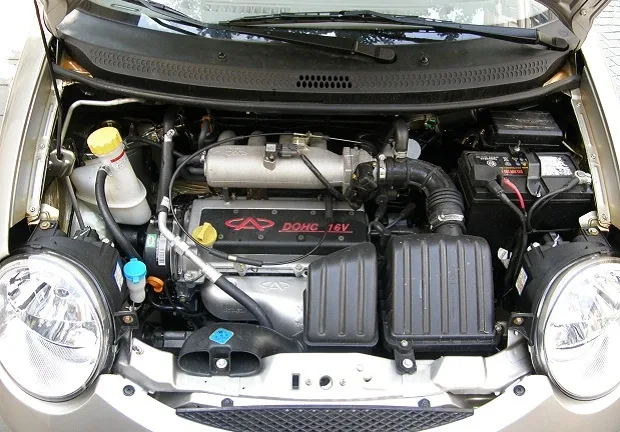
Серьезных поломок двигателей Chery QQ обычно не случается, но некоторые нюансы все же есть. Главный из них – засоряющийся со временем клапан вентиляции картерных газов. Это приводит к увеличению расхода масла и появлению дыма из выхлопной. Чтобы избежать проблемы, клапан стоит чистить каждые 20-30 тыс. км.
Нередки случаи выхода из строя генератора. Многие владельцы жалуются и на качество резьбовых соединений – часто срывается резьба на сливном болте поддона картера.
Оба двигателя используют ременной привод ГРМ. Ремень вместе с роликами рекомендуется менять с периодичностью 40 тыс. км.
Моторное масло нужно обновлять каждые 10 тыс. км. Производитель советует для зимы заливать 5W30, для лета – 15W40.
Трансмиссия
Chery QQ оснащался двумя типами коробок: 5-ступенчатой механической и 4-ступенчатым «роботом». Чаще встречается именно роботизированная КПП, и это неудивительно – среди покупателей немало женщин.
«Робот» доставляет немало хлопот, особенно часто возникают проблемы с переключением передач. Причина обычно кроется в блоке управления КПП или датчике положения сцепления. Нередко уже к 20 тыс. км пробега выходит из строя демпфер в диске сцепления.
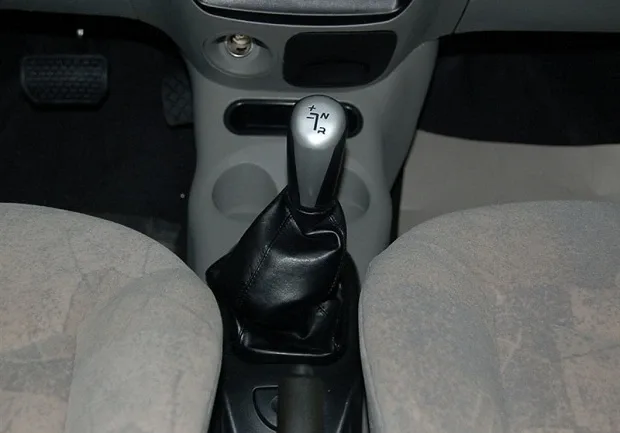
Механика ведет себя надежнее, хотя и здесь иногда ломается шестерня главной передачи.
Ходовая часть
Спереди у Chery QQ стоит независимая подвеска McPherson, сзади – полузависимая балка. Ходы подвески небольшие, что плохо сказывается на проезде неровностей. Попадая в яму, машина отзывается сильными ударами и неприятной отдачей на кузов.
Управляемость у Chery далека от идеала. Подвеска жесткая, но при этом машина заметно кренится в поворотах. На трассе уже на скорости 100 км/ч есть риск потерять контроль над авто. Особенно опасно при сильном боковом ветре или обгоне фур – без постоянной подруливания машину может увести в сторону.
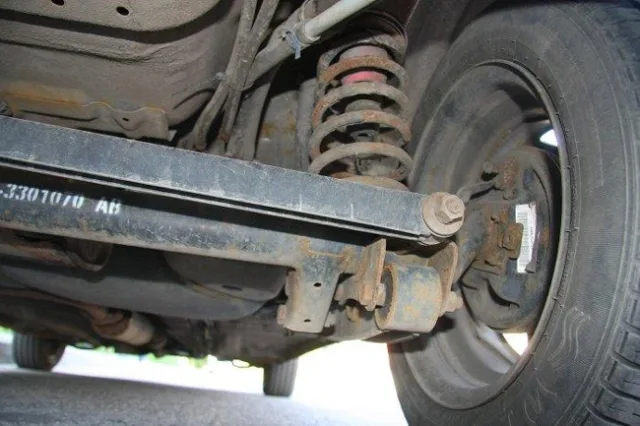
Элементы подвески дешевые и недолговечные. Шаровые опоры и амортизаторы служат примерно по 40 тыс. км. Втулки стабилизатора требуют замены уже на 20 тыс. км, а рулевые наконечники – через 30 тыс. км. Задняя подвеска нареканий не вызывает: она простая и выносливая.
Цены на запчасти и обслуживание
Содержать Chery QQ недорого, если предыдущий владелец следил за машиной и вовремя ее ремонтировал. Запчасти стоят недорого, но вот с наличием могут быть проблемы – некоторые позиции придется ждать больше месяца.
Ремень ГРМ – 110 грн.
Воздушный фильтр – 35 грн.
Масляный фильтр - 30 грн.
Втулки стабилизатора – 20 грн. (1 шт.)
Амортизаторы пер./зад. – 480 грн./400 грн.
Фара – 160 грн (1 шт.)
Бампер пер./зад. – 350 грн./270 грн.
Плюсы
| Минусы
|
Daewoo Matiz
Описание
• Тип кузова: хечбек
• Габариты Длина/Ширина/Высота, мм: 3495/1495/1480
• База, мм: 2340
• Дорожный просвет, мм: 150
• Масса снаряженная/полная, кг: 725/1210
• Объем багажника, л: 155/830
• Объем бака, л: 38
• Тип привода: передний
• КПП: 5-ст. механическая, 4-ст. автоматическая
• Тормоза передние/задние: дисковые/барабанные
• Подвеска передняя/задняя: независимая/полузависимая
• Двигатели:
• Бензиновые 3-цилиндровый 0.8 л (52 л. с.), 4-цилиндровый 1.0 л 8V (64 л. с.)
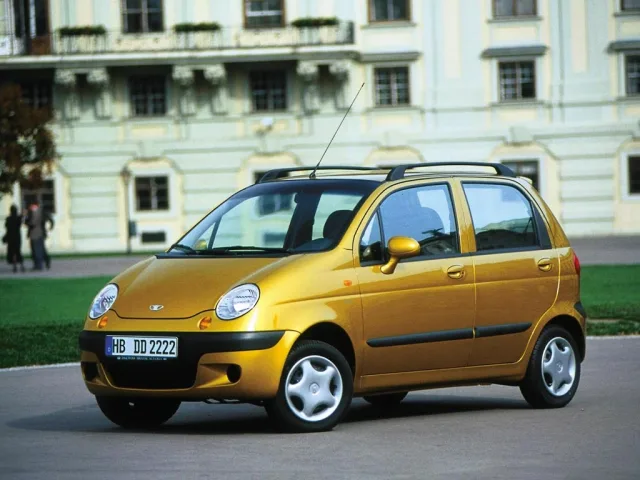
История
1998 год: старт производства Daewoo Matiz
1999 год: появилась версия с автоматической КПП
2000 год: модель подверглась рестайлингу
2001 год: в Узбекистане запустили крупноузловую сборку Matiz
2002 год: в гамму добавили новый двигатель 1.0 л (64 л. с.)
2009 год: на смену Daewoo Matiz пришел Chevrolet Spark, но продажи узбекских Matiz в Украине не прекратились
Кузов
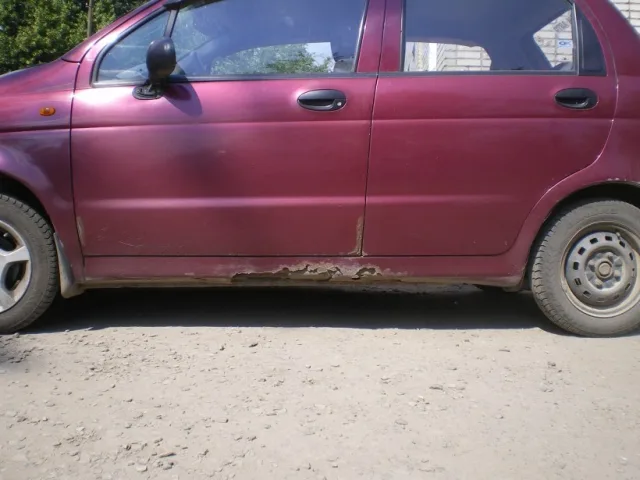
Кузов Daewoo Matiz, как и у китайского аналога, не слишком стойкий к коррозии. Особенно это касается машин узбекской сборки – у них нередко ржавеют пороги и крылья уже через 3-4 года.
Металл у Daewoo качественнее, а значит, и безопасность выше. Даже без подушек безопасности этот автомобиль дает больше шансов выжить в аварии. Стоит отметить, что в начале 2000-х Matiz (в версии с подушками) получил 3 звезды в краш-тестах EuroNCAP.
По сравнению с китайским конкурентом, Matiz может похвастаться большим дорожным просветом (150 мм против 115 мм).
К лакокрасочному покрытию корейских машин претензий нет, а вот у узбекских качество покраски заметно хуже.
Салон
Салон ранних Matiz отделан добротнее, чем у более свежих моделей. Но в любом случае качество материалов у Daewoo выше, чем у Chery.
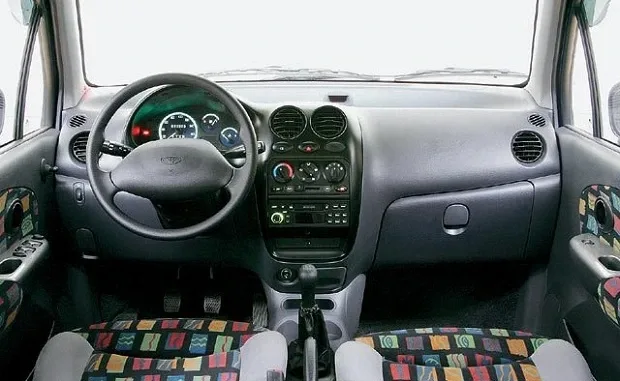
Обивка сидений у Matiz темная и не такая маркая, да и сам материал более износостойкий, чем у QQ.
Уровень шумоизоляции такой же, как у конкурента – то есть практически нулевой.
Любопытно, что багажник у Daewoo чуть меньше, чем у китайского авто, зато грузоподъемность на 100 кг больше и составляет 485 кг.
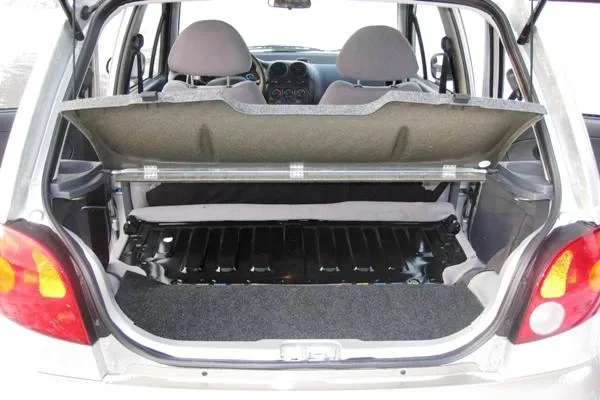
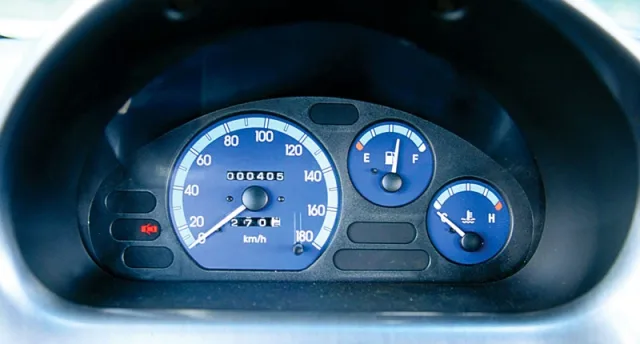
Из минусов можно отметить отсутствие тахометра даже в топовых версиях (у QQ он есть), а также задний диван, который складывается только целиком.
Двигатель
Первое время Daewoo Matiz предлагался только с двигателем 0.8 л (52 л.с.). С 2002 года появился более мощный агрегат объемом 1.0 л (64 л.с.). По сравнению с QQ, моторы Daewoo обеспечивают лучшую динамику.
Расход топлива, если учитывать объемы двигателей, довольно велик. С автоматической КПП в городе он достигает 9-10 л на 100 км, на трассе – 7-7.5 л. С механикой дела получше, но экономичным Matiz не назовешь: в городе 8-9 л, на трассе 5-6 л.
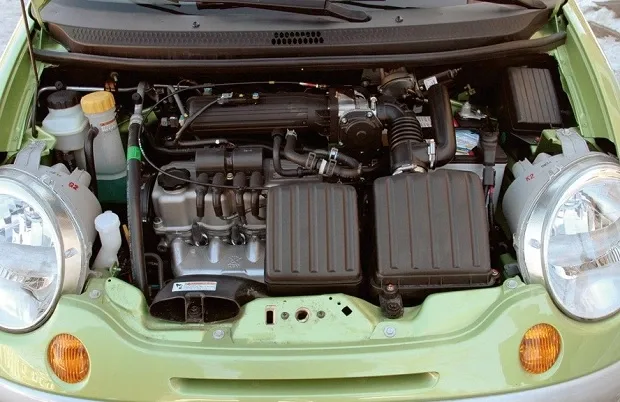
Серьезных претензий к моторам нет, они довольно надежны и беспроблемны, но мелкие недостатки все же имеются. Со временем загрязняются регулятор холостого хода и датчик дроссельной заслонки, из-за чего двигатель начинает работать нестабильно. Также из-за попадания влаги может отказать датчик муфты кондиционера. Решается это установкой дополнительной защиты моторного отсека. При больших пробегах (свыше 100 тыс. км) может начать подтекать прокладка клапанной крышки.
Как и у QQ, в Matiz используется ремень ГРМ, который нужно менять каждые 60 тыс. км.
Масло меняется каждые 10 тыс. км. Для зимы рекомендуется 5W30, для лета – 10W40.
Трансмиссия
Matiz оснащался двумя типами КПП – 5-ступенчатой механикой и 4-ступенчатым автоматом.
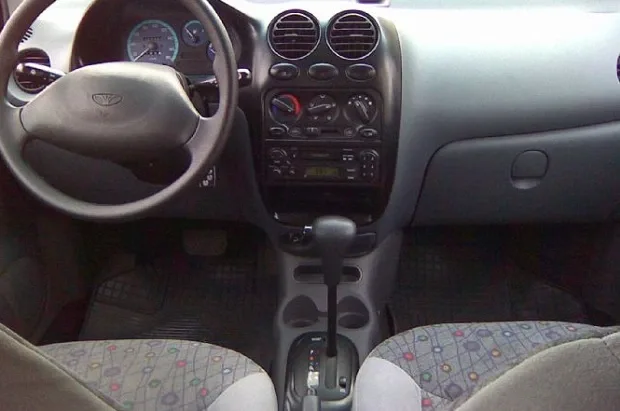
АКПП ставилась только на машины с двигателем 0.8 л. В отличие от Chery QQ, у Matiz коробка – полноценный автомат, и проблем с ней меньше. Но при большом пробеге могут потечь сальники полуосей.
На механике после 100 тыс. км пробега наблюдается растягивание тросов привода кулисы, из-за чего передачи включаются менее четко, а ход рычага увеличивается.
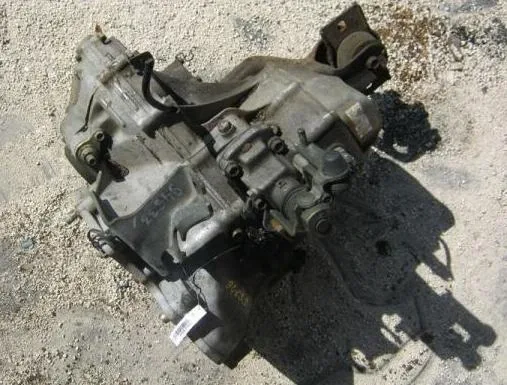
Масло в механической КПП нужно менять каждые 40 тыс. км (первую замену производитель рекомендует делать на 10 тыс. км.). По словам специалистов, масло в автомате следует менять раз в 100 тыс. км, но эксперты советуют делать это каждые 60 тыс. км.
Ходовая часть
Подвеска Daewoo короткоходная – как и у Chery (или наоборот). По комфорту езды особой разницы нет – маленькие колеса с трудом переваривают наши ямы.
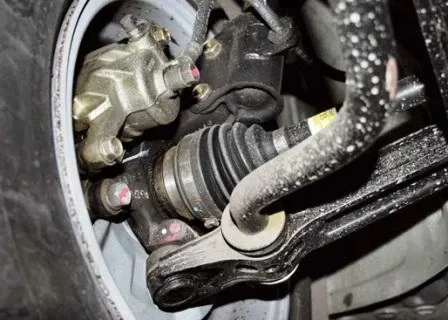
В плане устойчивости на дороге Matiz ведет себя лучше, чем QQ, но на высоких скоростях управлять им все равно сложно.
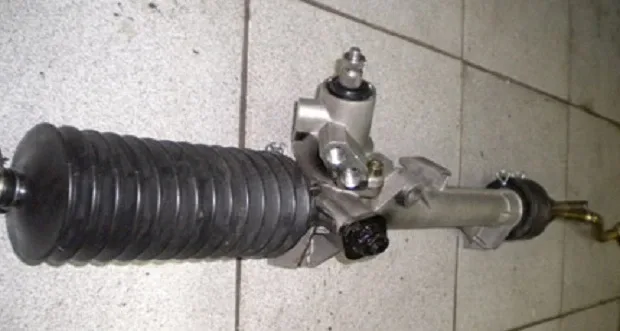
Рулевое управление механическое, в дорогих комплектациях – с гидроусилителем. Надежным его не назовешь: на обычной рейке к 40 тыс. км изнашиваются втулки, а с ГУР они служат еще меньше – около 25 тыс. км. Из-за этого при езде по неровностям появляется стук в рулевом.
Ходовая у Matiz более живучая, чем у китайского авто. Шаровые опоры служат около 100 тыс. км, амортизаторы – 90-100 тыс. км, рулевые наконечники – примерно 60 тыс. км.
Цены на запчасти и обслуживание
Обслуживание Daewoo Matiz обходится недорого. В отличие от Chery, с наличием запчастей проблем нет.
Ремень ГРМ – 120 грн.
Воздушный фильтр – 45 грн.
Масляный фильтр - 60 грн.
Втулки стабилизатора – 15 грн. (1 шт.)
Амортизаторы пер./зад. –600 грн./500 грн.
Фара – 340 грн (1 шт.)
Бампер пер./зад. – 460 грн./430 грн.
Плюсы
| Минусы
|
Итог
На вторичном рынке Daewoo Matiz первых лет выпуска стоит от $3500. За свежие экземпляры с автоматической КПП просят до $9000 (с МКПП – в среднем на $600-$1000 дешевле). Практически за те же деньги, что просят за ранний Matiz, можно купить Chery QQ 2005 года выпуска. Да и свежие Чери с «роботом» заметно дешевле Дэу – около $6000. Отвечая на вопрос «взять Дэу постарше или Чери посвежее», стоит сказать, что так рассуждать неправильно. Нужно оценивать конкретное состояние автомобиля. Ведь можно найти и свежий Matiz в состоянии семилетнего Chery, и наоборот. Одно можно посоветовать точно – не забывайте о безопасности и обращайте внимание на наличие подушек.