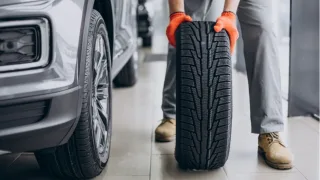

С приходом холодов выбор зимней резины становится особенно актуальным. Как известно, стоимость зимних покрышек выше летних, поэтому к их подбору стоит относиться серьёзнее. Важно, чтобы и типоразмер, и протектор соответствовали требованиям, а глубина рисунка была не меньше 6 мм. Иными словами, в холодное время года особенно важно придерживаться параметров, установленных автопроизводителем.
Эти правила знакомы большинству водителей, однако далеко не все им следуют.
Зачем это нужно
Сначала, как водится, разберёмся — что заставляет людей отклоняться от заводских предписаний? Неважно, о каком сезоне речь.
Первая и самая частая причина — желание выделиться из общего потока, быть непохожим на других. Например, вы приобрели диски большего диаметра и установили на них низкопрофильную резину. Машина сразу приобрела спортивный облик, но это лишь внешний эффект. О практической стороне поговорим далее.

Вторая причина — ограниченный бюджет. В итоге покупаются (или достаются даром) дешёвые подержанные покрышки, подобранные по принципу «лишь бы ехала».
Третья причина — у человека есть собственное мнение о том, какие колёса лучше подойдут его автомобилю.
Теперь посмотрим, чем могут обернуться подобные решения.
Мелкие нюансы
Самый безобидный случай — колёса нештатного размера приводят к погрешностям спидометра и одометра. Причём речь идёт не только о дисках, а о колесе целиком, то есть о диске вместе с шиной. Закономерность проста: чем больше внешний диаметр колеса, тем выше максимальная скорость и хуже разгонная динамика — и наоборот.
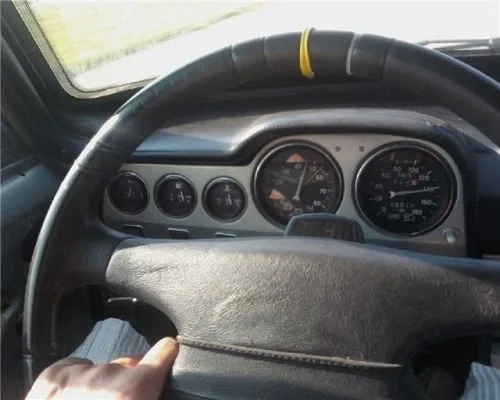
Понятно, что за один оборот большое колесо преодолевает большее расстояние, чем малое. Однако у него значительнее инерция, и двигателю труднее его раскручивать.
Мнение водителей
Существует распространённое суждение, что для снега и бездорожья стоит выбирать более узкие шины, а для асфальта — более широкие. Если водитель переходит на другой типоразмер — скажем, более широкий, — то в случае летних шин машина получает небольшой выигрыш в управляемости и устойчивости на курсе.
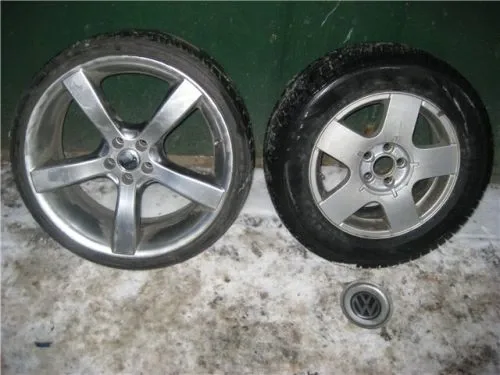
Что касается зимних покрышек, то при движении по асфальту улучшения характеристик от смены размера не наблюдается вовсе, а на льду и снегу они едва заметны. Хотя в отдельных случаях грамотный подбор колёс действительно способен повысить устойчивость автомобиля, улучшить управляемость и даже сократить расход топлива.
Заводские рекомендации
Иногда для одной модели авто с разными двигателями производитель советует шины различных типоразмеров. Существуют специальные справочники, в которых точно указаны все подходящие покрышки с размерами для конкретной машины.
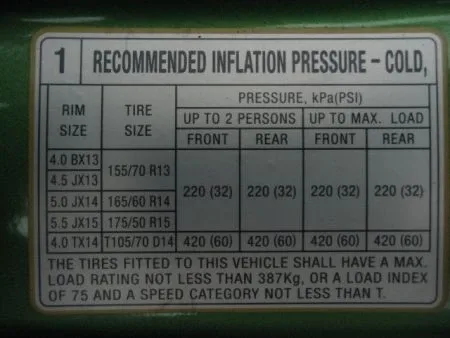
Эти сведения можно найти и на внутренней стороне двери водителя. Там размещена табличка с данными о рекомендуемых размерах шин, допустимых показателях нагрузки и скорости, а также об оптимальном давлении. Этой информации можно доверять и смело следовать ей.
Широкие покрышки
Если вы решили поставить более широкие шины, проверьте, что при повороте колёс и при полной загрузке они не задевают элементы подвески и колёсные арки.

Однако стоит помнить: установка дисков и шин нестандартного размера может заметно ускорить износ отдельных деталей подвески и рулевого управления. Например, диски с вылетом больше расчётного способны быстро вывести из строя ступичные подшипники передних колёс.
Высокий профиль
Рассмотрим установку колёс большего диаметра. Что часто привлекает водителей — такие колёса позволяют увеличить дорожный просвет и немного сэкономить на топливе, ведь большое колесо за один оборот проходит чуть больше пути.
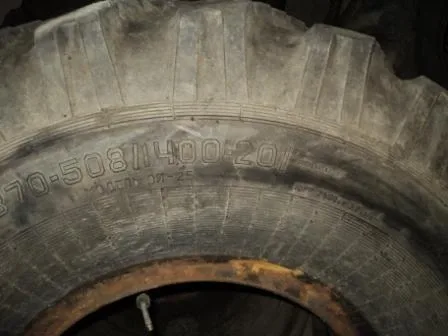
Но и здесь есть свои тонкости. К примеру, если мотор у машины слабый, ему потребуется больше усилий для раскрутки колеса большего диаметра, а значит, расход топлива возрастёт.
Меньший диаметр
Очевидно, что при установке покрышек меньшего диаметра клиренс автомобиля заметно уменьшится. Это может привести к частым ударам днищем о бордюры или прочие препятствия. К тому же колесо меньшего размера прослужит недолго.
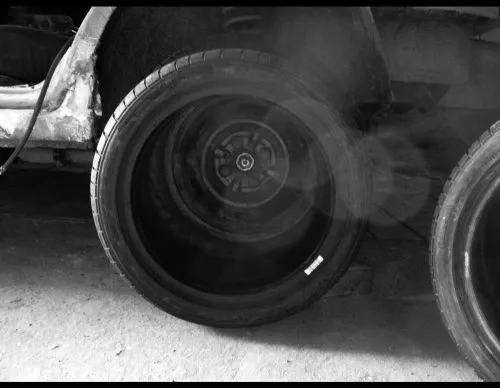
Разработчики при создании машины учитывают диаметр шин, поэтому существуют определённые стандарты для каждой марки, принимаются во внимание скорость и масса авто. Естественно, колёса меньшего размера должны выдерживать ту же нагрузку, но их запас прочности на это не рассчитан, так что покрышки быстро выйдут из строя.
Итог
Учитывая все вышесказанное, следует понимать: лишь строгое следование инструкции по эксплуатации и установка колёс рекомендуемого размера и характеристик позволят не только чувствовать себя уверенно за рулём, но и существенно продлить срок службы самих шин и всего автомобиля.