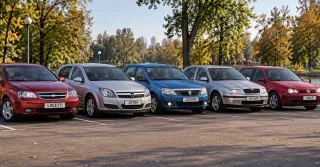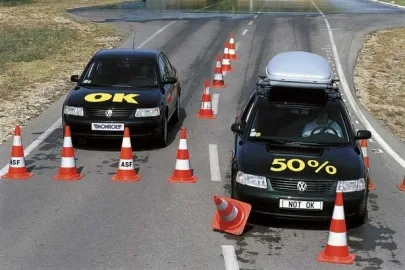
Остановка автомобиля — это, пожалуй, самый важный аспект, который перевешивает все остальные технические параметры. Возможность вовремя затормозить может уберечь от аварии, сохранить кузов, бампер и оптику. Задумайтесь, знаете ли вы, сколько метров требуется вашему авто для полной остановки? Скорее всего, девять из десяти водителей не только не помнят эту цифру, но и никогда о ней не задумывались. Более того, мало кто из автомобилистов реально представляет, насколько велика или мала дистанция в 30 или 40 метров при экстренном торможении со скорости 100 км/ч.
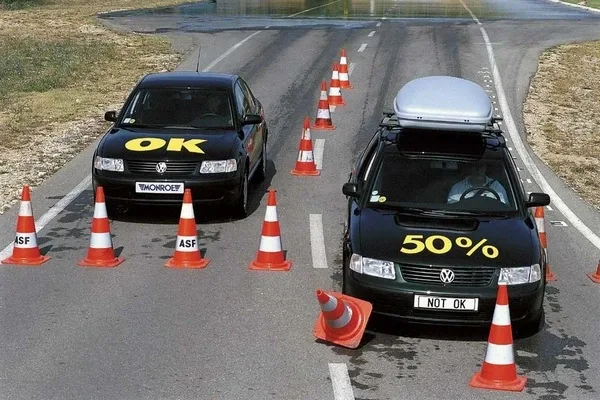
Показательно, что даже сотрудники ГАИ не всегда осведомлены о реальных показателях тормозного пути. В сводках можно встретить утверждения вроде «тормозной путь Ланоса составил 18 метров при скорости около 100 км/ч». Чтобы понять нелепость такой информации, достаточно знать, что даже гиперкар Bugatti Veyron останавливается со 100 км/ч за 31,4 метра.
Чтобы внести ясность в этот вопрос, АвтоПортал решил разобраться в тонкостях тормозного пути.
Как узнать тормозной путь
Учитывая, насколько критически важна эта характеристика, странно, что автопроизводители предпочитают её скрывать. Они практически никогда не публикуют данные о тормозном пути своих серийных моделей.
Редкими исключениями являются лишь спорткары или автомобили, которые демонстрируют выдающиеся показатели в своём классе. Например, Renault Clio RS, который тестировал АвтоПортал, может похвастаться лучшим тормозным путём в сегменте — 35 метров.
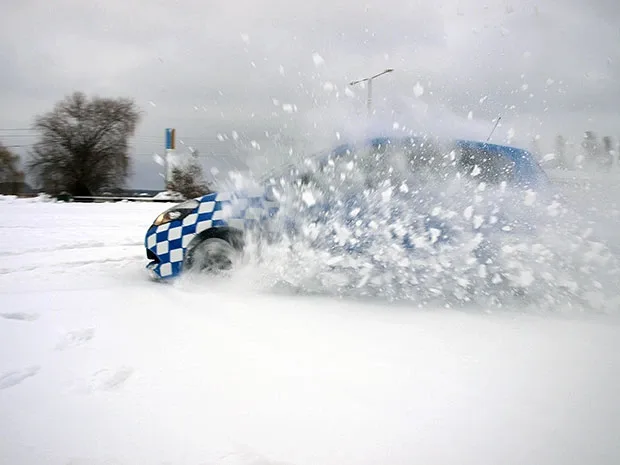
В остальных случаях получить эти данные практически нереально. Единственный источник — независимые испытания, проводимые профильными изданиями и экспертными организациями. Проще говоря, никто официально не назовёт вам тормозной путь того же Ланоса.
Почему?
Логично предположить, что у автогигантов не должно быть проблем с публикацией этой информации. Если они легко измеряют динамику разгона и указывают расход топлива (о том, как это делается, читайте в материале АвтоПортала о паспортном расходе), то почему бы не указать и тормозной путь? Вопрос остаётся открытым.
Возможно, причина в том, что лишь небольшой процент покупателей интересуется этой цифрой при выборе авто. Не исключено, что измерения требуют сложных и длительных испытаний, а результаты сильно зависят от внешних условий. Дождь, снег, температура, влажность, ветер, тип шин — всё это влияет на результат. Хотя, с другой стороны, те же факторы играют решающую роль и при замере разгона!
Вывод напрашивается такой: производители, скорее всего, проводят внутренние тесты, но публикуют результаты только в том случае, если они впечатляющие. Это косвенно подтвердили в пресс-службе АвтоВАЗа, где на наш запрос дали такой ответ:
«У АвтоВАЗа есть внутризаводские нормативы, регламентирующие допустимые показатели по тем или иным характеристикам автомобиля. Разглашение или неразглашение информации о данных тестирования определяется требованиями закона и процессом сертификации транспортных средств».
Также мы обратились с этим вопросом к четырём украинским импортёрам автомобилей, но на момент публикации ни один из них не смог предоставить чёткого ответа о возможности раскрытия данных о тормозном пути своих моделей.
Есть ли нормы
Несмотря на то что производители молчат, в Европейском Союзе существует негласный стандарт качества ISO 9001, согласно которому автомобиль считается опасным, если не может остановиться за 40 метров на сухом асфальте при торможении со 100 км/ч. И таких машин в Украине — большинство. Подавляющее большинство. Возьмём, к примеру, ЗАЗ Lanos. У этой модели есть множество модификаций с разной конструкцией и эффективностью тормозов. Тем не менее, кое-какие данные получить можно.
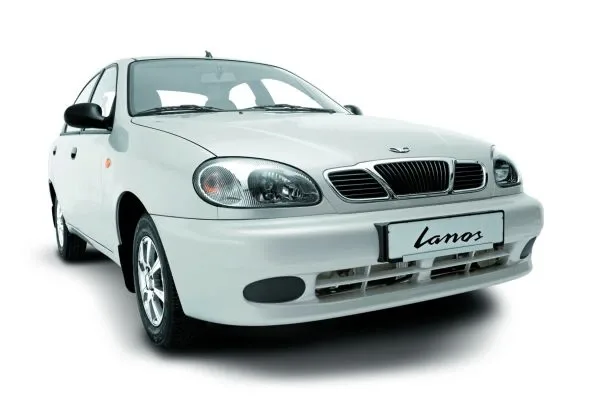
Тест «Авторевю» Lanos 1,5 86 л.с. без ABS (седан)
Тормозной путь со 100 км/ч — 46,5 м
Тест «За Рулем» Lanos 1,5 86 л.с. без ABS (хетчбек)
Тормозной путь со 100 км/ч — 48,2 м
Важно отметить, что тесты проводились на автомобилях без АБС. Это позволяет предположить, что с антиблокировочной системой результаты были бы значительно лучше. Хотя даже такие показатели вполне достойны для бюджетного авто без АБС. Существует множество примеров, когда машины без АБС тормозят лучше, чем конкуренты с этой системой. Так, по данным «Авторевю», Geely CK с системой ABS+EBD для полной остановки со 100 км/ч требуется почти на 4 метра больше, чем Ланосу без АБС.

Нельзя не упомянуть и Renault Duster, который провалил испытания на торможение, проведённые французским изданием L'Automobile Magazine. Для остановки со 100 км/ч ему потребовалось 46 метров. В 2010-м году аналогичные испытания не прошли Renault Koleos и Mitsubishi ASX. Немецкое издание Autobild также публиковало свой список автомобилей с плохой тормозной динамикой. Оказалось, что даже очень дорогие машины не всегда могут похвастаться эффективными тормозами:
Lexus RX 450h (41,2 м)
Honda Jazz и Honda CR-V третьего поколения (41,3 м)
Dodge Nitro (41,4 м)
Suzuki Alto, Citroen C1 и Daihatsu Cuore (42 метра)
Nissan X-Trail (42,4 м)
Suzuki Grand Vitara (42,5 м)
Mitsubishi Pajero (42,6 м)
Hyundai ix55 (42,7 м)
Mitsubishi L200 (43,4 м)
Dacia/Renault Duster (43,8 м — видимо, немцы «тормозят» лучше французов)
Mercedes G-klasse (47 м)
Suzuki Jimny (48,3 м)
Niva Lada 4x4 (48,6 м)
Land Rover Defender (53,5 м)
Лидеры
Что касается автомобилей с лучшей тормозной динамикой, то в подавляющем большинстве это суперкары и гиперкары штучного производства (Bugatti Veyron, Koenigsegg и т.д.). Но среди лучших есть и относительно серийные модели, которые хоть и не назовёшь доступными, но их всё же можно увидеть на дорогах нашей страны.
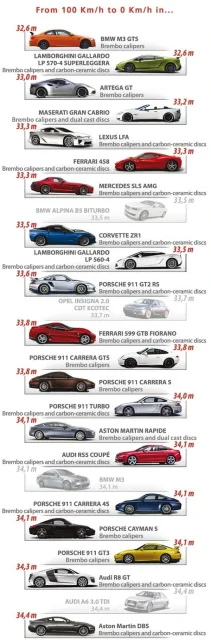
Вот как выглядит ТОП-25 серийных машин (с тормозами Brembo) с наилучшим тормозным путём:
Что влияет на тормозной путь
Современные автомобили оснащены множеством систем, которые помогают сократить тормозной путь — это ABS и различные ассистенты экстренного торможения. О них АвтоПортал расскажет в отдельной статье, а сейчас мы рассмотрим, как состояние дорожного покрытия влияет на тормозную динамику.
Тормозной путь напрямую зависит от скорости, состояния дороги, исправности тормозной системы и других параметров. Так, при скорости 30 км/ч при резком торможении легковой автомобиль проходит около 10 метров. При удвоении скорости до 60 км/ч тормозной путь вырастает в четыре раза и составляет уже 40 метров. Значительно увеличивается дистанция остановки на скользком покрытии — в дождь или снег.
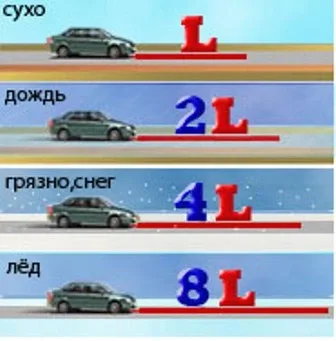
Ключевую роль играет коэффициент сцепления шин с дорогой, который меняется в зависимости от погоды и температуры:
- рыхлый снег (плотность 0,06-0,20 г/см3, коэффициент сцепления 0,20);
- уплотнённый снег или накат (плотность 0,30-0,60 г/см3, коэффициент сцепления 0,10-0,25);
- гололед — плёнка (толщина до 3 мм) или корка (толщина до 10 мм) с коэффициентом сцепления 0,08-0,15
Какой бы дорогой и технологичной (или наоборот) ни была ваша машина, помните о законах физики и коэффициенте сцепления — особенно это важно зимой.