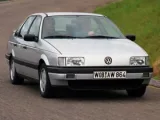
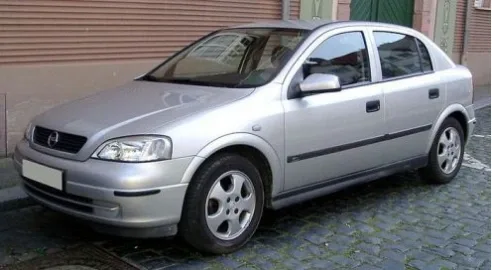
А вы полагали иначе? Эпохи сменяются, и если Golf IV перестал быть Golf II, то Astra G — это вовсе не Kadett E. Volkswagen заметно ухудшил баланс между ценой и качеством. Opel же, наоборот, шаг за шагом повышал качество, не гонясь за репутацией «престижного компакта», а делая ставку на массового покупателя.
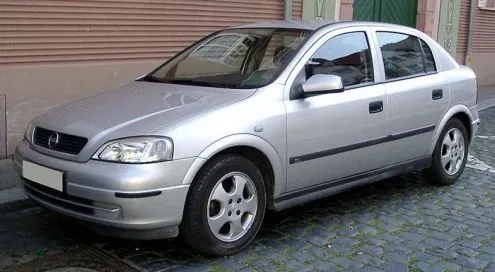
Данный материал АвтоПортала продолжает цикл публикаций, посвященных подбору и приобретению машин с пробегом. С перечнем доступных вариантов можно ознакомиться в соответствующем разделе нашего сайта.
Описание
- Тип кузова: седаны
- Габариты, Длина/Ширина/Высота, мм: 4250/1710/1420
- База, мм: 2605
- Масса снаряженная/полная, кг: 1315/1780
- Объем багажника, л: 460/1230
- Объем бака, л: 52
- Двигатели
- Бензиновые 4-цилиндровые: 1,2 л 16V (65/75 л. с.), 1,4 л 16V (90 л. с.), 1,6 л (75/85 л. с.), 1,6 л 16V (101 л. с.), 1,8 л 16V (115/125 л. с.), 2,0 л 16V (136 л. с.), 2,2 л 16V (147 л. с.)
- Дизельные 4-цилиндровые: 1,7 л (75 л. с.), 2,0 л 16V (82 л. с.), 2,0 л 16V (101 л. с.)
- Тип привода: передний
- КПП: 5-ст. механическая или 4-ст. автоматическая
- Подвеска передняя/задняя: независимая/полузависимая
История
- 01.1998 Премьера Opel Astra второго поколения (G)
- 09.1999 Появление модификации OPC с мотором 2,0 л 16V (160 л.с.)
- 01.2000 Прибавка мощности на 10 л. с. у бензиновых агрегатов 1,2 л 16V, 1,6 л и 1,8 л 16V. Замена мотора 2,0 л 16V на новый 2,2 л 16V
- 01.2003 Старт крупноузловой сборки Opel Astra (G) в Запорожье
- 08.2003 Дебют пятого поколения Opel Astra (H)
- 01.2004 На «АвтоЗАЗе» начинается полный цикл выпуска 4-дверного седана Classic Astra (G)
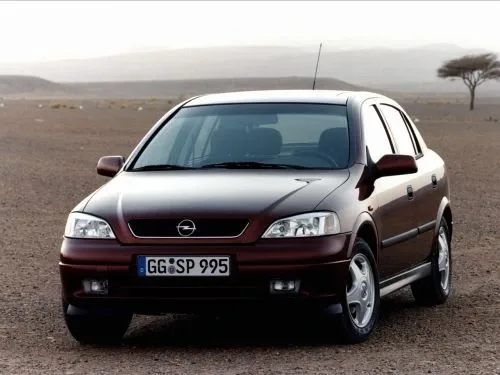
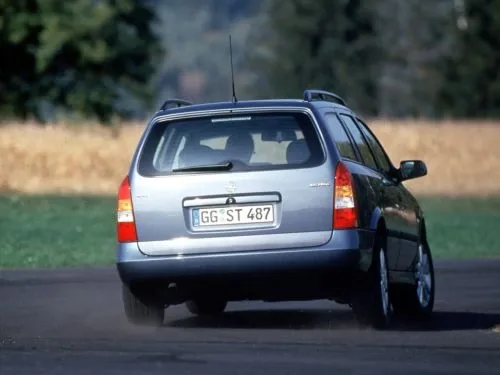
В 1997 году на Франкфуртском автосалоне состоялась премьера второй генерации Astra, получившей индекс G. Примечательно, что от предшественницы не позаимствовали ни одной значимой детали — это был полностью новый автомобиль. Главные усовершенствования затронули эргономику, поведение на дороге, функциональность и качество отделки салона. Opel Astra G выпускалась в трех кузовах: два хэтчбека и универсал.
Седан появился лишь год спустя. Кузов новинки отличался отличной аэродинамикой и заметно возросшей жесткостью. Безопасность пассажиров обеспечивали ремни, четыре подушки (две фронтальные, причем пассажирская устанавливалась за доплату, и две боковые — также опционально, размещенные в спинках передних кресел). В качестве опции можно было заказать и шесть подушек, включая шторки безопасности в крыше.
В 1999-м ателье Bertone на базе Astra создало версию в кузове купе. А в 2001-м на той же платформе появилась открытая модификация — Opel Astra Cabrio. Обе эти версии, несмотря на умеренную цену, считаются эксклюзивными из-за ручной сборки на заводе Bertone.
Начиная с 2000 года в линейке появились версии от OPC (Opel Performance Center). С 2000 по 2002 год выпускались автомобили с турбированным двигателем Z20LET, а в период 2002–2004 годов — рестайлинговые Astra G OPC.
Производство второго поколения Opel Astra завершилось в 2004 году.
Кузов
С появлением Astra G эпоха «гнилушек» закончилась. Автомобили Opel больше не подвержены коррозии — это факт. На второе поколение Astra распространялась 12-летняя гарантия против сквозной коррозии кузова и три года на лакокрасочное покрытие.
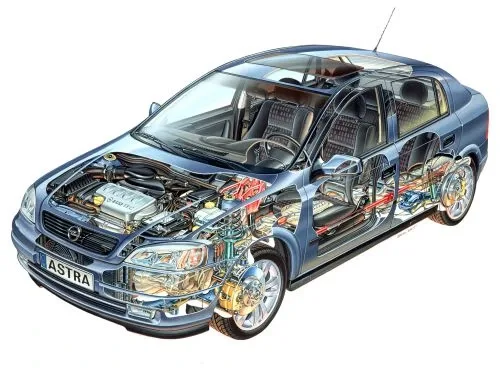
Вопреки устоявшемуся мнению, победа над ржавчиной была достигнута не благодаря оцинковке (она применялась и раньше), а за счет более качественной герметизации сварных швов. Раньше немцы экономили на точечной сварке, из-за чего в зазоры попадала влага, запуская процесс электрохимической коррозии.
Но эти проблемы остались в прошлом, и Opel лишился своего главного изъяна.
Салон
Интерьер не поражает дизайнерскими решениями. Однако приборная панель не выглядит скучной. Ее высокая и массивная конструкция создает ощущение защищенности. И это не иллюзия — по уровню пассивной безопасности Astra входит в число лидеров.
Внутри достаточно просторно, даже на заднем ряду с комфортом разместятся пассажиры ростом до 190 см. Правда, после 3-4 лет эксплуатации на наших дорогах в салоне появляются скрипы пластиковых деталей.
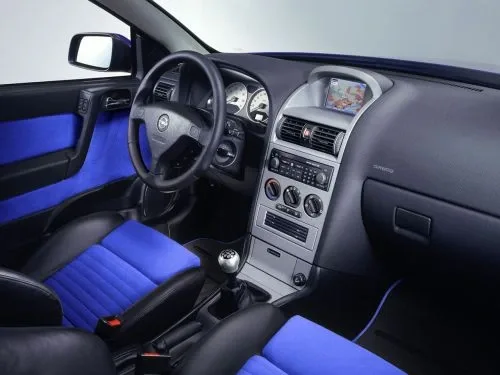
Среди прочих недостатков — со временем начинают болтаться дверные замки. Но самая неприятная проблема — трещины на лобовом стекле, которые могут возникать зимой из-за перепадов температур.
Двигатели
Под капотом «Астры» встречается широкий выбор моторов: от 1,2 до 2,2 литра. Интересно, что Opel использовал собственные системы впрыска Multec и SiemensSimtec. Для тех, кто привык к сервису Bosch, это может стать неожиданностью.
Также выпускалась спортивная версия ОРС с двумя вариантами двигателей. Ранний, объемом 2,0 литра, развивал 160 л.с., а поздний (2002 год) с турбонаддувом при том же объеме выдавал уже 200 л.с. Если вы рассматриваете «горячий Opel», учтите: запчасти на него дороже, а ресурс турбонагнетателя бензинового мотора меньше, чем у турбодизеля.
Тем, кто хочет сэкономить на топливе, можно рассмотреть несколько турбодизелей. Самый слабый — вихрекамерный 1,7 литра мощностью 68 л.с. Далее — турбодизель с непосредственным впрыском (более чувствительный к нашему топливу) объемом 1,7 литра и мощностью 75 л.с.
Третий вариант — 2,0 литра 82 л.с. также с непосредственным впрыском. И самый мощный — 2,0 литра 101 л.с. (тоже непосредственный впрыск). Ближе к концу производства второй серии появился турбодизель Ecotec с системой Common Rail (2,2 литра, 125 л.с.). Для работы на отечественном ДТ этот двигатель — не лучший выбор.
Наименее удачный вариант для покупки — бензиновый мотор 1,6 литра, особенно 16-клапанная версия. Его ресурс до капремонта может составлять всего 120-180 тыс. км. Износ двигателя легко диагностировать по расходу масла на угар. К счастью, его ремонт не слишком затратен.
Оптимальный выбор — двигатели 1,8 и 2,0 литра. Двухлитровый агрегат оснащен уравновешивающими валами, которые гасят вибрации, характерные для четырехцилиндровых моторов. Но и у них есть слабые места. Например, у некоторых экземпляров встречается деформированный или треснувший выпускной коллектор.
Общая неприятная черта всех опелевских моторов (кроме 1,2 литра с цепным приводом ГРМ) — дорогая замена зубчатого ремня каждые 60 тыс. км (лучше делать это пораньше, особенно если ремень неоригинальный). При замене также необходимо менять водяной насос и ролики.
Частая болезнь двигателей Opel Astra — засорение клапана холостого хода. В одних случаях помогает его прочистка, в других — требуется замена, что значительно дороже. Также стоит обратить внимание на клапан рециркуляции отработавших газов. Его неисправность приводит к падению мощности.
Слабое место ранних «Астр» (до 2000 года выпуска) — электронный блок управления вентилятором охлаждения и кондиционера. Он расположен неудачно — за бампером перед левым передним колесом.
Поэтому он легко повреждается даже при незначительном ударе. В итоге вентилятор либо не работает, либо работает непредсказуемо. Отремонтировать вышедший из строя блок невозможно — только замена.
Трансмиссия
Astra оснащалась либо механической пятиступкой, либо четырехскоростной гидромеханической АКПП. «Автомат» при правильной эксплуатации проблем не доставляет.
Особых недостатков нет и у механической коробки. Есть лишь нюансы эксплуатации. Например, после 100-120 тыс. км часто требуется замена сальника кулисы. Также переход с первой на вторую передачу несколько туговат.
Интересно, что масло в механической коробке залито, казалось бы, на весь срок службы. Но через примерно пять лет его лучше заменить. Причем на точно такое же — фирменное Opel. Единственный неприятный момент — дороговизна замены сцепления.
Это связано с высокой трудоемкостью работ и стоимостью запчастей. Утешает лишь то, что этот узел очень живучий — часто выхаживает более 200 тыс. км.
Ходовая часть
Подвеска довольно традиционная — стойки МакФерсон спереди и П-образная балка сзади. Чаще всего меняют стойки переднего стабилизатора — они требуют замены после 40 тыс. км. Шаровые опоры и верхние опоры стоек МакФерсона служат примерно 90 тыс. км.
Радует и то, что сайлентблоки довольно износостойкие. А вот ступичные подшипники при езде по ямам выходят из строя достаточно быстро. Стоит помнить, что спортивные версии ОРС имеют более жесткую подвеску. Ее детали служат чуть меньше, чем у «гражданских» версий, а стоят дороже.
Если вы не спешите с покупкой, стоит поискать версию, адаптированную для наших дорог. Она отличается увеличенным клиренсом, несколько усиленной подвеской и защитой картера двигателя.
Рулевое управление — реечное, с гидроусилителем, насос которого приводится в действие электромотором. Работает система с несколько необычным звуком, но хлопот не доставляет.
При этом руль достаточно информативен при условии своевременной замены масла — опять же, только фирменного Opel. Использовать любое другое нельзя. Еще одна приятная особенность: в случае неисправности насос усилителя можно легко отключить, отсоединив клеммы. Это позволяет добраться до сервиса, не повредив дорогой узел.
Тормоза вполне надежны, колодки служат долго. Но только при условии, что при каждом ТО очищаются и смазываются поршни стояночного тормоза. Иначе он может заклинить.
Цены на запчасти и обслуживание
- двигатель 1.4 - $600
- крышка багажника - $200
- боковое зеркало заднего вида - $70
- бампер (в сборе) - $200
- дверь - $100
- блок ABS - $150
Итог
Мы уверенно советуем Астру к покупке. Автомобиль был хорош новым, а с пробегом стал еще привлекательнее: теперь очевиднее преимущества Astra G над Golf IV — та же надежность, ниже цена и дешевле обслуживание.
На рынке есть вполне достойные варианты по разумным ценам: от $6000 за ранние автомобили до $10000 за самые свежие экземпляры.
С полным каталогом подержанных автомобилей можно ознакомиться на нашем сайте в разделе «Б/У авто».
Мнения владельцев
Плюсы | Минусы |
|
|