Эта публикация АвтоПортала входит в цикл материалов, посвященных подбору и приобретению машин на вторичном рынке. С актуальными предложениями можно познакомиться в соответствующем разделе нашего сайта.
Как появилась модель
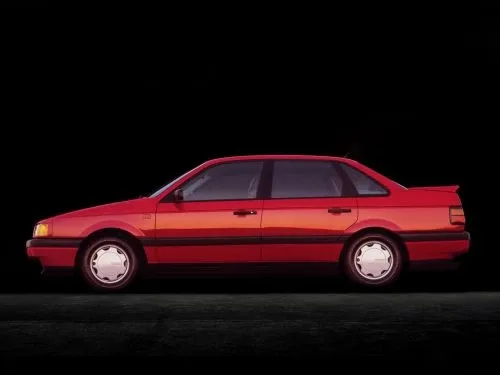
Volkswagen Passat B3 — седан D-класса, дебютировавший в январе 1988 года. На европейском рынке марка VW и раньше пользовалась устойчивым спросом, поэтому новинку встретили с большим интересом. Свежий по тем временам дизайн, как снаружи, так и внутри, множество вариантов моторов и богатый выбор комплектаций делали автомобиль привлекательным для тех, кто ценит практичность.
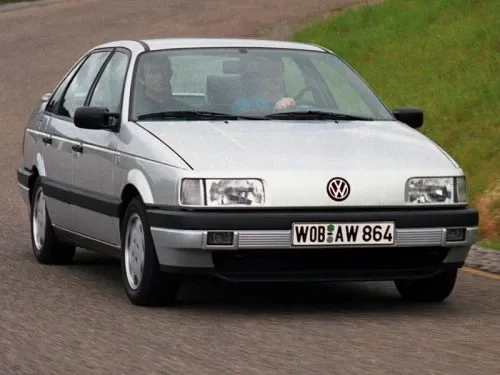
Уже в апреле того же 1988-го гамму пополнил универсал Variant.
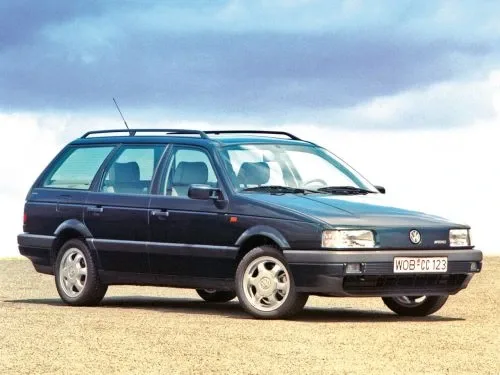
На протяжении производства модель постепенно обновлялась: появлялись новые силовые агрегаты, вносились незначительные правки в конструкцию, расширялся перечень опций. Однако по-настоящему серьезных перемен не было вплоть до октября 1993-го, когда на конвейер встал преемник — Passat B4.
В Украине первые такие автомобили появились в середине 90-х и быстро обрели поклонников. Многим водителям пересесть на немецкую «народную» машину с несложным устройством было настоящим праздником — сервисная инфраструктура тогда только формировалась, и значительную часть работ автовладельцы выполняли самостоятельно.
Для сегодняшнего покупателя это скорее минус. В те годы считалось, что достаточно просто купить желанную машину, а регламентное обслуживание — дело второстепенное. С годами, по мере старения автомобилей, внимания им уделяли всё меньше. А ведь пробег многих экземпляров сейчас уже вплотную подошел к отметке 400–500 тыс. км.
Небрежное отношение к технике, особенно в небольших городах и селах, куда за последние годы перебралась значительная часть B3, дало о себе знать. Машин на рынке достаточно, выбор есть, но найти по-настоящему ухоженный экземпляр — задача не из легких.
Общие данные
- Кузов — седан с 4 дверями; универсал с 5 дверями
- Размеры (Д/Ш/В) — 4605/1720/1430 мм; 4595/1720/1445 мм
- Колесная база — 2625 мм
- Масса (снаряженная/полная) — 1210/1720 кг; 1240/1750 кг
- Багажник, л — 495–820; 465–1500
- Топливный бак, л — 70
- Привод — передний либо полный
- Трансмиссия — МКПП на 5 ступеней или АКПП на 4 ступени
- Тормоза (перед/зад) — диски/барабаны или диски
- Подвеска (перед/зад) — независимая/полузависимая
- Моторы
- Бензиновые — рядные 4-цилиндровые: 1,8 л (75 л.с.), 1,8 л (90 л.с.), 2,0 л (115 л.с.), 2,0 л (150 л.с.) 16V; V6: 2,8 л (174 л.с.), 2,9 л (190 л.с.)
- Дизельные — рядные 4-цилиндровые: 1,9 л (75 л.с.), 1,9 л (90 л.с.) Turbo
Популярность к Passat B3 в нашей стране пришла в середине 90-х, когда машины начали массово ввозить перегонщики. И сейчас, несмотря на почтенный возраст (самому молодому экземпляру уже исполнилось 18 лет) и тяжелые условия работы, эти автомобили для многих остаются верным «рабочим инструментом», олицетворением надежности, незамысловатости и немецкого подхода к качеству.
Поэтому на вторичном рынке Passat B3 стабильно востребован и неплохо сохраняет стоимость.
Модель выпускали в двух кузовах — седан и универсал, причем последний был настолько популярен, что на рынке таких машин очень много.
Всего предлагалось 13 двигателей (10 бензиновых и 3 дизельных). Некоторые из них производились недолго, поэтому перед покупкой стоит уточнить у продавца, какой именно мотор установлен.
Коробок передач было две: механическая 5-ступенчатая и автоматическая 4-ступенчатая (последняя попадается нечасто).
Базовым был передний привод, но отдельные версии оснащались фирменной полноприводной трансмиссией Syncro. В ее основе лежала вискомуфта, которая при необходимости подключала заднюю ось. У нас такие модификации редки, а учитывая возраст машины и стоимость некоторых деталей, от покупки подобного варианта лучше воздержаться. К тому же небольшой дорожный просвет вряд ли позволит активно штурмовать серьезные препятствия.
Предлагалось три уровня оснащения:
CL — начальный, иногда машина была практически «голой».
GL — улучшенный: ткань салона качественнее, есть гидроусилитель руля, электростеклоподъемники и электрозеркала, спинка заднего дивана складывается в пропорции 2:1.
GT — спортивно ориентированный: кресла Recaro, бортовой компьютер, расширенные боковые молдинги. Именно такая комплектация была стандартной для мощных модификаций.
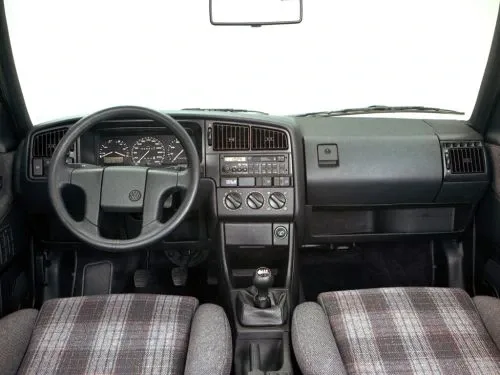
Кроме того, покупатель мог заказать множество дополнительных опций. При этом шильдик на крышке багажника указывал лишь на базовую «заводскую» версию.
Так, тахометр в список стандартного оборудования не входил, и многие автомобили до сих пор щеголяют крупными аналоговыми часами.
Кондиционер встречается нечасто (чаще попадается люк), хотя бывали машины и с климат-контролем.
Кожаный салон в сочетании с креслами Recaro — прерогатива версии VR6, укомплектованной самым мощным мотором.
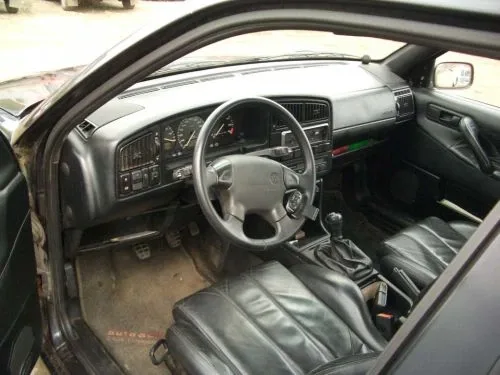
Подушки безопасности ставили на автомобили последних лет выпуска, причем в самых насыщенных комплектациях.
Отдельно стоит сказать о вместительности багажника, особенно у универсала. Сложив задний ряд, 465 литров превращаются в 1500 — полтора кубометра полезного объема. Настоящая находка для дачников! Седан тоже не подводит: 495 литров в обычном состоянии и 820 — со сложенным диваном.
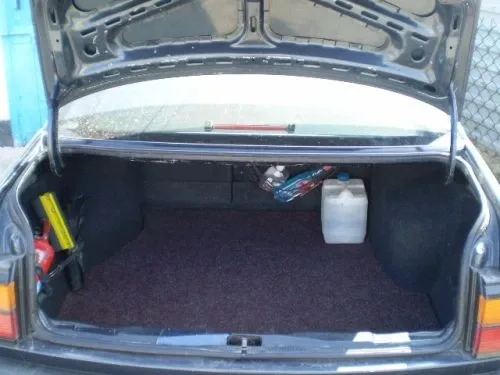
Короче говоря, Volkswagen Passat B3 — разумный вариант для тех, кто присматривает свою первую иномарку и готов к самостоятельному ремонту.
За годы эксплуатации все слабые места и особенности модели хорошо изучены, о них и поговорим далее.
Кузов и коррозия
В свое время считалось, что Passat с его качественным лакокрасочным покрытием — один из лидеров по стойкости к ржавчине. Но почтенный возраст и последствия ДТП внесли свои коррективы.
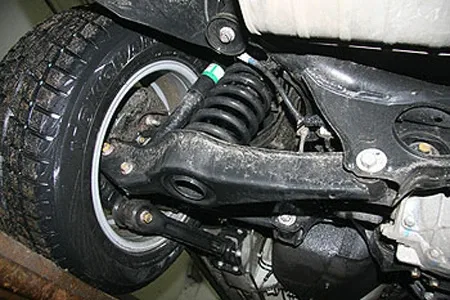
Коррозия появляется в типичных местах — задние колесные арки, днище, пороги. Из кузовных панелей страдают капот и нижняя часть дверей. У универсалов нередко гниет задняя дверь багажника.
Обратите внимание на качество сварочных швов: насколько аккуратно проварены стыки, сколько нанесено грунта. Если работа выполнена кое-как, «лишь бы продать», вскоре появятся очаги ржавчины.
Из характерных болячек можно выделить хрупкие дверные ручки — в сильные морозы они часто ломаются.
К недостаткам относят и небольшой клиренс с длинными свесами кузова, что доставляет хлопоты на разбитых дорогах. Передний спойлер под бампером особенно уязвим и нередко обламывается.
Интерьер
Благодаря внушительной колесной базе (2625 мм) и продуманной компоновке салон — один из самых просторных в классе на момент выпуска.
Внутреннее убранство не блещет изысками, но сделано с умом: все под рукой и на своих местах. Пластик добротный, обивка практичная и износостойкая.
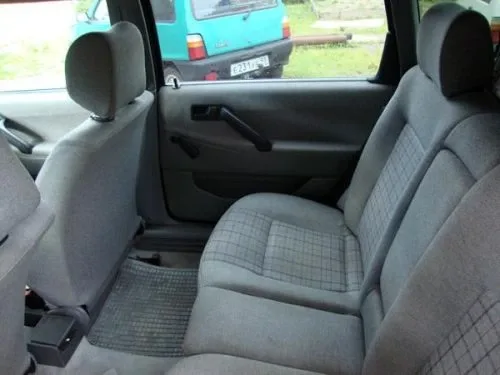
Сиденья удобные, хоть и жестковатые — типично для немецких авто. Шумоизоляция на достойном уровне.
По оснащению Passat вряд ли порадует любителя роскоши. Впрочем, кому-то простота как раз по душе.
Силовые агрегаты
Выбор моторов был по-настоящему широким, способным угодить самым разным запросам. В среднем ресурс двигателей оценивается в 300–350 тыс. км.
Бензиновые версии
Карбюраторные двигатели и моторы с моновпрыском объемом 1,6 л и мощностью 75 л.с. для довольно тяжелой машины явно слабоваты. Встречаются они на ранних экземплярах.
Дефорсированный моновпрысковый 1,8-литровый агрегат с теми же 75 л.с. рассчитан на 92-й бензин и радует умеренным аппетитом (около 8,0 л), но тяги ему, конечно, не хватает.
На автомобилях 1988–1990 годов ставили 1,8-литровые моторы с распределенным впрыском на 107 л.с. Из-за недолгого выпуска такие версии у нас большая редкость.
Один из самых частых вариантов на нашем рынке — моновпрысковый 1,8 л мощностью 90 л.с. Он неприхотлив, но нередко докучает проблемами с регулятором холостого хода: обороты плавают, а расход топлива растет. У исправного мотора аппетит в городе — около 10,0 л.
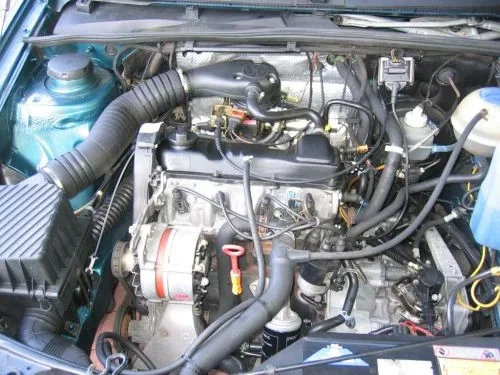
Наиболее удачный выбор — 2,0-литровый мотор на 115 л.с. Он дает приемлемую динамику, а по конструкции прост и надежен.
Любителям более живого характера стоит присмотреться к 16-клапанным двигателям 2,0 л на 136 л.с. Встречаются и 16-клапанные версии 1,8 л с такой же отдачей 136 л.с., но с меньшим крутящим моментом.
Отдельная история — 2,8-литровый VR6 мощностью 174 л.с. Это мощный и технически интересный агрегат: цилиндры разведены под углом 15°, что делает его промежуточным звеном между рядным и V-образным исполнением и позволяет уменьшить габариты. В приводе ГРМ здесь цепь, которая со временем растягивается и начинает звенеть. У всех остальных моторов ремень, который меняют каждые 60 тыс. км.
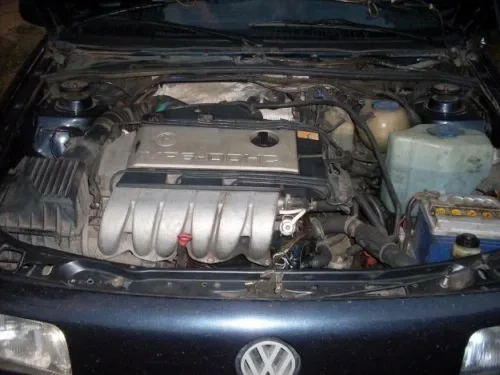
174 силы легко срывают машину с места, и этот мотор облюбовали любители быстрой езды, что, естественно, сказалось на его ресурсе.
Но всё это мелочи по сравнению с главной бедой: если двигателю потребовался капитальный ремонт, то дешево отделаться не выйдет. Во-первых, за работу возьмется не каждый мастер — конструкция сложная. Во-вторых, полный капремонт может обойтись в $3000.
Упомянем и самый редкий мотор — 160-сильный объемом 1,8 л (его же ставили на купе Corrado), который агрегатировался с полным приводом. Такая мощность достигалась за счет механического нагнетателя — компрессора G60.
Главная беда этого двигателя — отказ компрессора: сразу растет расход масла, пропадает тяга, и машина становится почти непригодной к эксплуатации. Б/у компрессор покупать бессмысленно, а новый стоит безумных денег.
Дизельные моторы
О дизельных версиях ходят легенды, и вполне заслуженно. Но их главный недостаток, как у любого дизеля, — огромные пробеги, порой даже по немецким меркам. А уж в наших условиях универсал с дизелем — это типичный рабочий инструмент владельца.
Дизели объемом 1,6 л (80 л.с.) и 1,9 л (68 и 75 л.с.) были как атмосферными, так и турбированными. Самый интересный — последний: простой, неприхотливый, не слишком чувствительный к качеству нашего топлива, он без проблем перекочевал и на следующее поколение Passat.
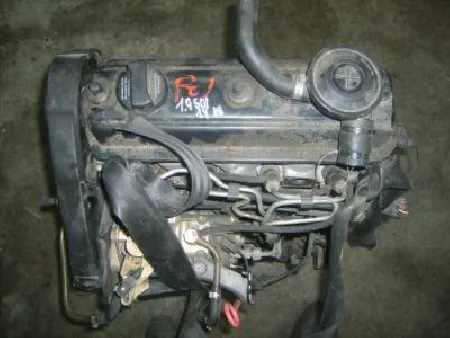
Из общих болячек стоит выделить:
- масляные подтеки из-под уплотнений (например, поддона);
- утечки антифриза (система охлаждения чувствительна к его качеству);
- сбои в системе зажигания.
Отметим, что бензиновые моторы 1,8 л (75 и 90 л.с., моноинжектор), 2,0 л (115 л.с.), 2,8 л (174 л.с.) и упомянутый дизель 1,9 л (75 л.с.) практически без изменений перешли на следующее поколение. Это повышает шансы найти на разборке относительно живой двигатель от модели B4.
Коробки передач
Механическая коробка на 5 ступеней устанавливалась на 90% автомобилей. Она достаточно живучая, но есть у нее слабые места.
Почти на каждом втором экземпляре текут сальники главной передачи. Уровень масла при этом падает, а за ним мало кто следит — из-за масляного голодания первой сдается пятая передача, и коробка фактически становится четырехступенчатой.
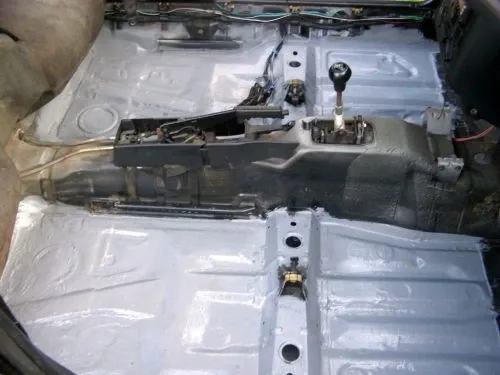
Дальше — очередь подшипников (первичного и вторичного валов). Их износ проявляется повышенным гулом коробки.
Механизм переключения работает нечетко — в основном из-за тросового привода, требующего регулировки. Также изнашиваются втулки кулисы, из-за чего рычаг начинает болтаться.
Масло в «механике» залито на весь срок службы, нужно лишь следить за его уровнем. Педаль сцепления не отличается информативностью, ход у нее большой.
«Автоматы» попадаются нечасто, и почти все уже пережили капитальный ремонт.
Чаще всего АКПП ставили на самую мощную версию — VR6. А учитывая, что на таких машинах спокойно не ездят, о состоянии коробки можно только догадываться.
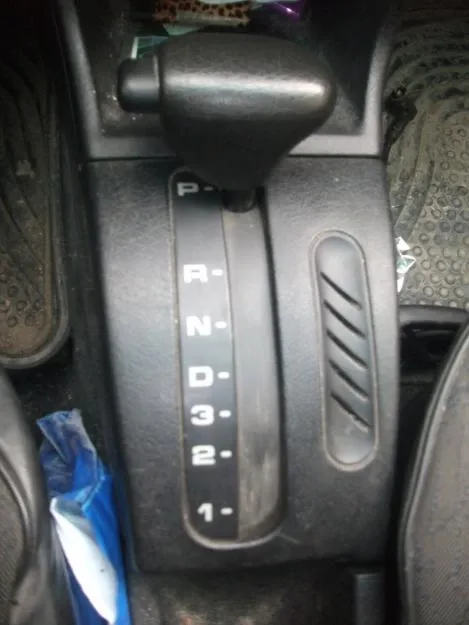
Если комфорт для вас важнее, поищите «автомат» в паре с менее объемным мотором.
Чтобы продлить жизнь коробке, масло и фильтр рекомендуется менять каждые 60 тыс. км.
Ходовая часть
Подвеска жесткая, простая и недорогая в обслуживании. О комфорте тут речи нет — она скорее «сбитая», и каждая ямка или стык ощущаются в полной мере.
Управляемость средняя, вполне предсказуемая, но без изысков. Спереди — независимая подвеска типа МакФерсон со стойками и продольными рычагами. На версии VR6 подвеска изнашивается быстрее из-за более тяжелого мотора.
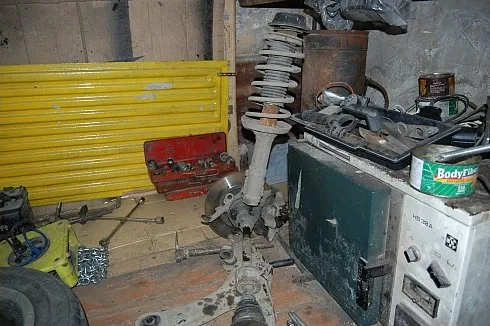
Сзади — простая полунезависимая балка. Менять там, кроме пары сайлент-блоков, пружин и амортизаторов, нечего.
По ресурсу деталей картина такая:
- стойки стабилизатора — чаще всего, до 50 тыс. км;
- втулки стабилизатора живут дольше — до 80 тыс. км;
- задние сайлент-блоки передних рычагов — около 60 тыс. км;
- сайлент-блоки задней балки — 70–80 тыс. км.
Многим машинам требуется замена всех пружин — они проседают от долгой эксплуатации, причем и у седанов, и у универсалов.
Рулевое управление — реечное, могло дополняться гидроусилителем (до 1991 года — в зависимости от версии, затем ГУР стал базовым). Без усилителя руль на парковке крутится туго, хотя после советских машин это вряд ли покажется проблемой.
Жидкость в ГУР желательно заливать фирменную (G002) и менять каждые 70 тыс. км.
Тормоза: спереди — диски, сзади — барабаны. На модификациях с моторами мощнее 100 л.с. сзади также стояли диски, а передние были вентилируемыми.
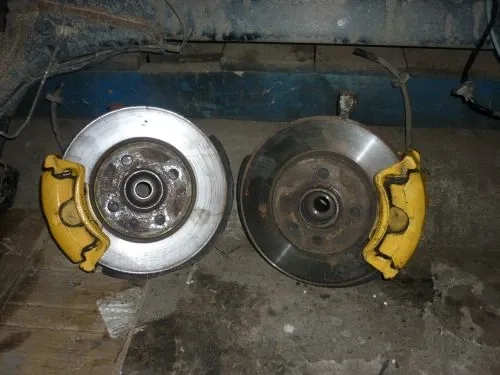
В целом тормоза хваткие и надежные, даже в версии с барабанами.
Стоимость запчастей
С запчастями проблем нет и вряд ли они появятся в ближайшие годы. В наличии всё — от дешевых турецких и польских аналогов до оригинальных немецких. И цены соответствующие.
Лучше выбирать золотую середину: бюджетные варианты качеством не блещут. Б/у деталей на разборках в Украине предостаточно. Цены разумные, главная сложность — найти относительно свежие авто в Германии. Вот примерные ориентиры:
- задний бампер — $60;
- дверь — $50;
- капот — $100;
- двигатель 1.8 (90 л.с.) — $400.
Итог
Стоит ли брать? Да, если вы готовы сами взяться за решение проблем.
Главная сложность — возраст. В дальней дороге B3 может преподнести сюрприз. Год выпуска особой роли не играет, но лучше рассматривать машины не старше 1991 года — именно тогда в конструкцию внесли ряд технических улучшений.
Выбор на рынке большой, главное — не торопиться и дождаться своего экземпляра.
Оптимальным считается 1,8-литровый моновпрысковый мотор или 2,0-литровый (115-сильный) в паре с механикой.
Цены начинаются от $4000 за 1,6-литровую машину в базовой комплектации и доходят до $7000 за 2,0-литровый авто 1993 года с кондиционером.
Подобрать автомобиль и изучить актуальные цены можно в разделе Б/У авто на нашем сайте.
Отзывы владельцев
Плюсы | Минусы |
|
|