На нашем сайте уже не раз поднималась тема переоборудования бензиновых (иногда и дизельных) автомобилей под работу на сжиженном или сжатом газе(Что будет если... поставить ГБО на дизель, Что будет... если настроить ГБО неправильно, или подробно про газ для авто). Вне всяких сомнений эксплуатировать такой автомобиль экономически более выгодно. И чем более мощный и объемный двигатель, тем быстрее окупается ГБО и тем существеннее экономия. В предыдущих материалах мы приводили расчеты снижения расходов на топливо, и пришли к выводу, что при любых условиях себестоимость одного километра пробега снижается в среднем в два раза. А теперь представьте себе, что расходы можно снизить не в два, а в 6-10 раз. Думаете это нереально? На самом деле, это возможно. Каким образом мы расскажем дальше.
Рассчитывая затраты на километр пробега на бензине и метане (по энергоемкости 1 куб.м метана = 1 л бензина), мы брали за основу стоимость на специализированных заправочных комплексах. В среднем по Украине она составляет от 5,80 грн. до 6,60 грн. за куб.м. Средний показатель на 04.11.2013 г. составлял 6,54 грн. Все правильно, это практически в два раза дешевле, чем стоимость литра бензина, соответственно, при равном потреблении литра бензина и кубометра газа получаем двойную экономию. Ну и как дальше можно снизить расходы? – спросите вы. Элементарно, заправляться метаном, поступающим в наши дома к газовым плитам и котлам отопления. Его стоимость для населения намного ниже. Если быть более точными, то от 0,73 грн до 2,68 грн. Но верхний предел достигается только в случае потребления более 12000 куб.м в год. Даже если отапливается дом в 200 кв.м и заправляется пара тройка машин, вряд ли вам удастся достигнуть такого расхода газа. Тем более, отопительный сезон у нас всего 4-5 месяцев. Тем не менее, в дальнейшем мы будем проводить расчеты, учитывая максимальную стоимость.
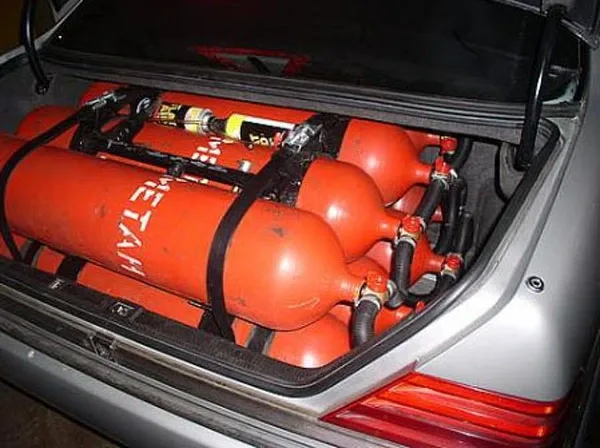
Стоимость приятная, она радует, но как бытовым газом заправить машину? Это не пропан-бутан, который сжижается при относительно невысоком давлении. Метан хранится в баллонах при давлении до 200 Атм. Теоретически, достаточно приобрести специальный компрессор, способный принять метан из газопровода, довести его давление до 200 Атм., и подать в баллоны.
В теории все красиво, а что на практике? Оказывается, иногда и в нашей стране теоретические проекты вполне могут быть воплощены в жизнь. Желая получить информацию из первых рук, мы обратились в компанию «Енергоспецсервіс», которая является дистрибьютором такой техники.
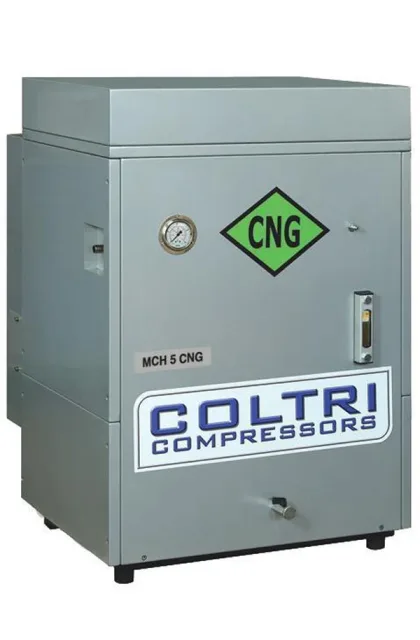
В действительности, все оказалось до банального простым. Любой желающий может купить специальный насос высокого давления, который подключается к бытовому газопроводу низкого давления и заправляет оборудованный ГБО (газ метан) автомобиль. При этом каких-то особых разрешений или требований по технике безопасности от владельца не требуется. Подчеркну – особых! Все нормы и требования и правила по технике безопасности согласно «НПАОП 0.00-1.20-98 Правила безопасности систем газоснабжения Украины», остаются в силе. Не пугайтесь, это те же требования, что и для газовой плиты или отопительного котла. Кроме того, установка подключается к электросети и в обязательном порядке заземляется.
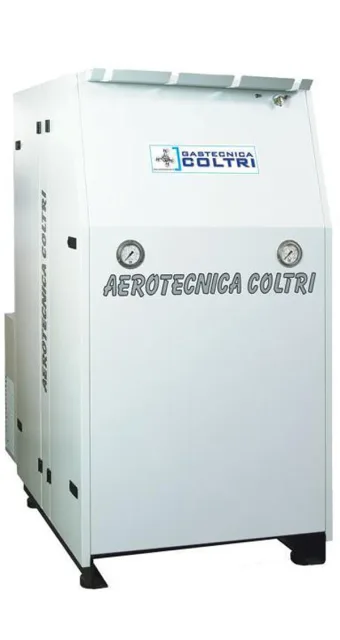
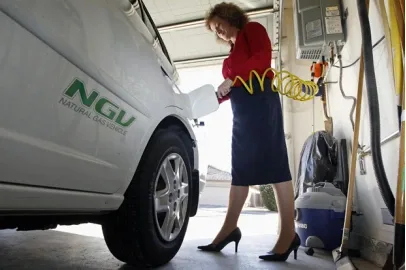
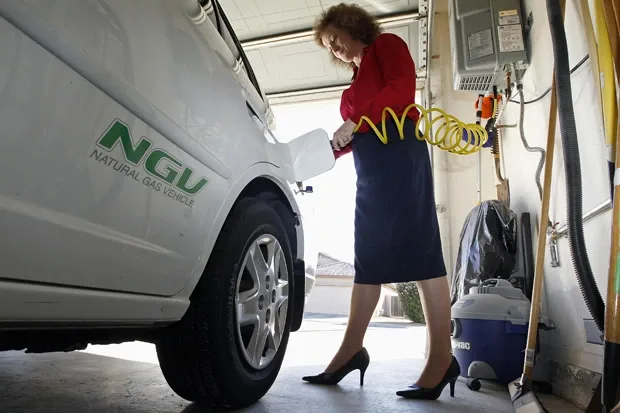
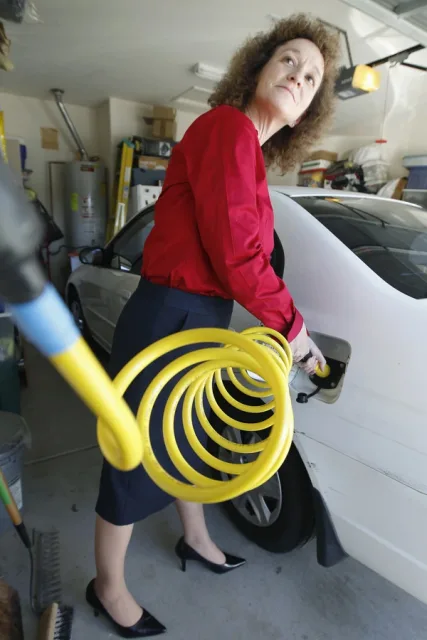
А дальше - просто сказка. Вы подключаете специальный шланг высокого давления к зарядному штуцеру автомобиля, и… ждать придется немного дольше, чем на фирменном заправочном комплексе. Сколько? Все зависит от производительности выбранного вами насоса. Например, самый слабенький с производительностью 3 куб.м/час для заправки одного баллона может потратить 5-6 часов, а средней производительности 10 куб.м/час потратит всего полтора часа. Скажете долго? А вы посчитайте, сколько времени ваш автомобиль простаивает возле дома без дела. За это время он вполне можете заправиться. Вы спите, машина заправляется. При достижении граничного давления система автоматически отключится. Утром вас ожидает автомобиль с заправленными под завязку баллонами. Все замечательно, тем более, что не потраченные на топливо купюры продолжают лежать в вашем кармане, а не в кассе АЗС.
Все хорошо и прекрасно, но мы все же плеснем ложку дегтя в эту прекрасную бочку меда. При всех видимых плюсах использования домашней заправочной станции, минусов не меньше.
Во - первых – стоимость установки ГБО.
Во - вторых – стоимость газового компрессора.
В - третьих – вес и размеры баллонов высокого давления.
В - четвертых – не достаточно разветвленная сеть метановых заправок (ездить приходится не только возле дома).
Но, есть категория граждан, для которых эти минусы не критичны. Они используют транспортное средство не только для перемещения своего бренного тела от дома до работы и обратно, они на нем зарабатывают. Для тех, у кого автомобили имеют огромный годовой пробег переход на метан и установка газовой заправочной станции вполне актуальное решение.
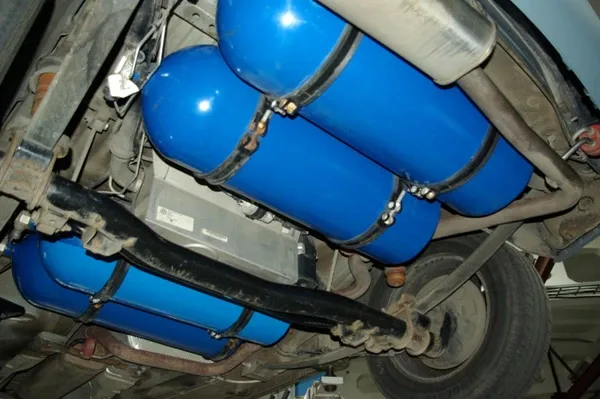
Как всегда оценим целесообразность такого решения на примере. Возьмем частного предпринимателя с небольшим парком автомобилей, ну скажем 5 Газелей со средним суточным пробегом 250 км.
Стоимость заправочной станции с производительностью в 10 куб.м/час составляет 7600 евро или 83600 грн. Делим эту сумму на количество автомобилей и получаем затраты на один автомобиль 16720 грн. Добавляем сюда стоимость ГБО около 8000 грн.
16720 грн. + 8000 грн. = 24 720 грн.
Первоначальные затраты уже составили 24 720 грн. на автомобиль.
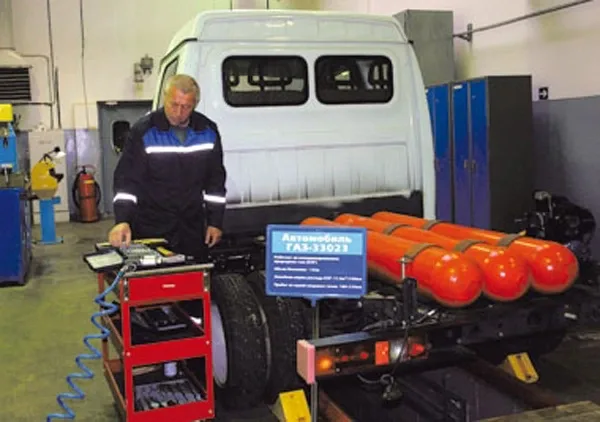
Средний расход топлива на автомобиле Газель составляет порядка 18 л/100 км. Газа соответственно такое же количество в кубах. Стоимость куб.м метана 2,68 грн. (максимальная стоимость для населения). Итого 100 км пути по топливу обходятся в 48,24 грн. На бензине за этот же пробег надо отдать 187,20 грн. экономия на каждых 100 км пути 138,96 грн.
Соответственно, для окупаемости ГБО и Заправочной станции машина должна проехать 17 790 км.
То есть, за 71 рабочий день оборудование отобъется, и в дальнейшем предприниматель получает постоянную экономию в размере 130 – 140 грн. на каждой сотне километров.
При пугающе больших первоначальных затратах, в дальнейшем система позволяет достигать существенной экономии. До 112 -113 тыс. грн. при пробеге в 100000 км.
Когда автопарк состоит из нескольких машин, и они имеют большой суточный пробег , то установка заправочной станции, несомненно, имеет смысл. А выгодно ли такое приобретение, если вы собираетесь заправлять собственный автомобиль, имея такое устройство дома? Для примера возьмем машину с внушительным мотором и соответственно расходом топлива – TOYOTA Tundra. 25 – 30 л/100 км заставляют задуматься о затратах и самое главное как их снизить.
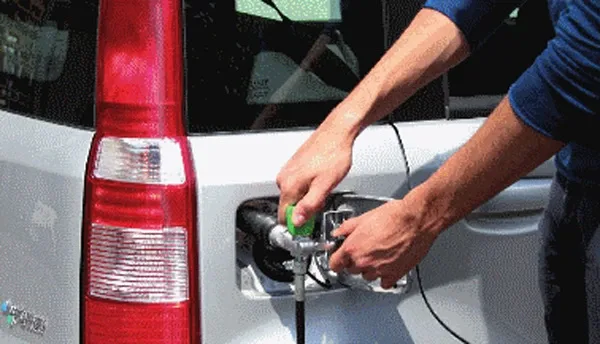
Так как заправлять придется только один автомобиль, то и установку можно выбрать менее производительную. Возьмем с производительностью 5 куб.м в час за 5955 евро или по курсу 65505 грн. Добавляем стоимость ГБО 12000 грн. и получаем затраты в 77505 грн. Сумма внушительная.
За средний расход примем 27 л/100 км. Соответственно, на каждую сотню километров надо будет потратить 72,36 грн за метан, или 280,80 грн за бензин. Разница составляет 208,44 грн.
Значит ГБО и компрессор высокого давления окупятся за 27602 километра пробега. А дальше… вы будете продолжать ездить на большом мощном автомобиле, неся затраты как на кроху малолитражку. Выгода - на лицо. Остается только побороть стереотипы по отношению к газу и убедить себя – экономите вы не потому, что жадный, а исходя из здравого смысла.
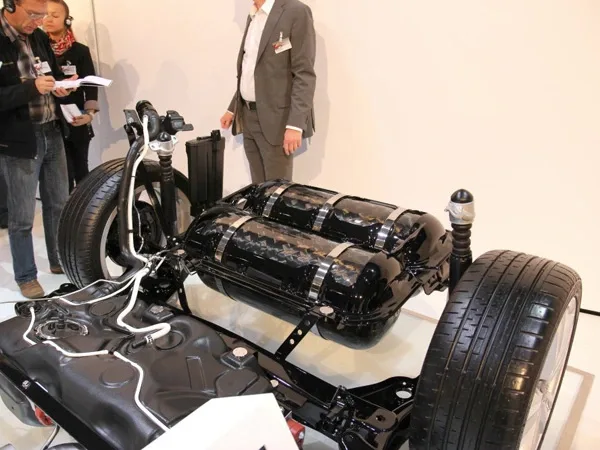
С окупаемостью разобрались, а вот с размерами баллонов для хранения метана все не так просто. Для применения в легковых малолитражных автомобилях они не годятся. Большой вес и размер просто не позволяют безболезненно их внедрить в конструкцию автомобиля. Скорее всего, ГБО на метане прекрасная альтернатива для громадных пикапов и американских внедорожников. Там, в кузове, пара тройка больших, восьмидесятилитровых баллонов не отнимут много места.
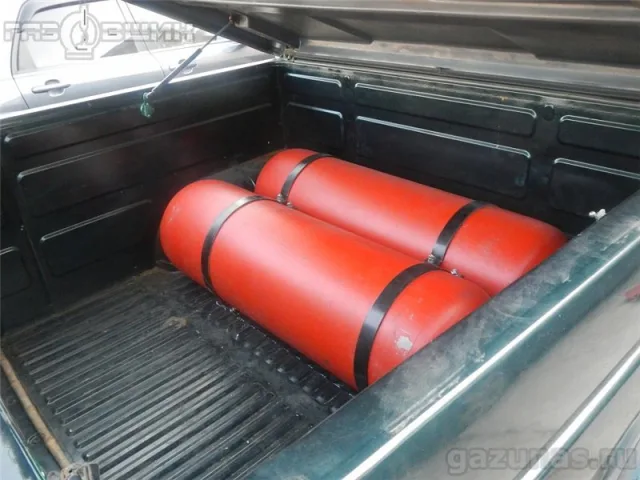
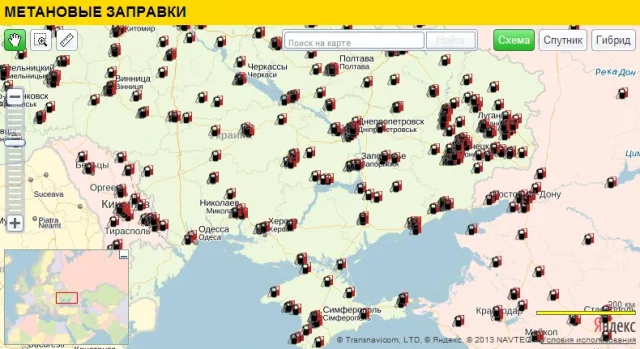
Остается насущной и проблема с заправками, особенно в случае дальнего путешествия. С ними дела обстоят не так хорошо, как хотелось бы. Заправки есть, но их мало, а расстояние между ними значительное. Нужно обязательно иметь подробную карту их расположения, иначе об экономии речи быть не может. Придется снова заправляться бензином.
Ну и напоследок, порадуем экологов и общество Greenpeace. У двигателя, работающего на метане, намного меньше токсичность отработавших газов. Более чем втрое уменьшается количество токсичной окиси углерода СО (угарный газ), в 1,6 раза – содержание канцерогенных углеводородов СН, состоящих из частиц несгоревшего топлива. Концентрация окиси азота NO и двуокиси NO2 при работе двигателя на газе снижается в 1,2 раза.
Какие выводы можно из этого сделать? Перевод современных автомобилей на метан хоть и затратная, но несложная операция. При этом, за счет более низкой стоимости газа затраты быстро окупаются. Если взять в расчет возможность установки заправочной станции дома, то это самый экономически выгодный вариант из существующих на рынке.