Даже совершенно новая и полностью рабочая машина нуждается в аккуратном обращении. Это гарантия её стабильной работы и, как следствие, комфортного путешествия. В этой статье мы поговорим о том, что нужно сделать перед отправлением в дальнюю дорогу.
1. Помойте автомобиль
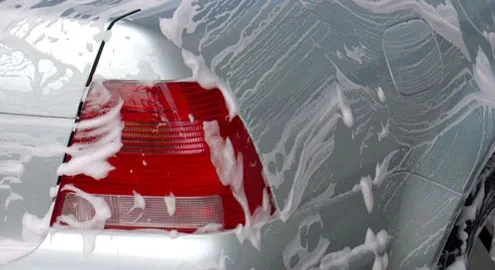
Лучше мыть машину самостоятельно — так вы сможете внимательно осмотреть кузов на предмет царапин, сколов и трещин на лакокрасочном покрытии. Заодно проверьте, нет ли под автомобилем подтёков рабочих жидкостей — это верный признак неисправности, которую нужно устранять.
2. Осмотрите машину в целом
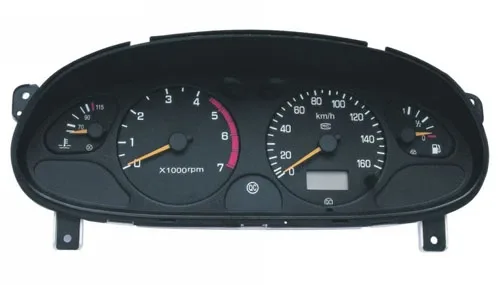
Удостоверьтесь, что вся электроника и датчики работают. Осмотрите аккумулятор — если клеммы загрязнены, их необходимо почистить. Свечи зажигания, которые уже отслужили своё, лучше заменить. Также проверьте, как работают фары ближнего и дальнего света.
3. Контроль уровней жидкостей и масла
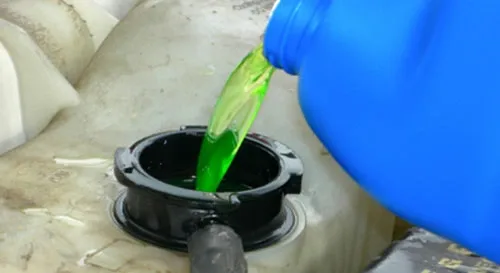
Уровень тормозной жидкости, антифриза, жидкости гидроусилителя руля, омывателя, а также моторного масла и масла в коробке передач должен быть в пределах нормы. Если чего-то не хватает — долейте.
Помните: тормозная жидкость и антифриз — это едкие химикаты. Они могут испортить краску на кузове, а при попадании в глаза — вызвать химический ожог.
Если пришлось доливать жидкость ГУР, проверьте систему на утечки.
Если до плановой замены масла осталось 1–2 тысячи километров, лучше сделать это до поездки. В долгом пути двигатель, скорее всего, будет нагружен сильнее обычного.
4. Покажите машину специалистам
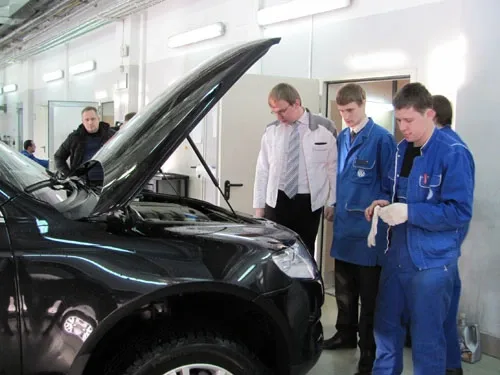
В сервисе стоит как минимум проверить подвеску, а лучше — сделать полную диагностику.
В киевских мастерских эта услуга будет стоить примерно так:
- проверка тормозов — от 100 грн.
- диагностика амортизаторов и подвески — от 200 грн.
- проверка рулевого управления — от 100 грн.
- чтение ошибок двигателя — 80 грн.
В сумме получается около 500 грн.
Параллельно можно заняться колёсами и отрегулировать углы установки — об этом в пунктах 5 и 6.
Если до очередного техобслуживания осталось 1–2 тысячи километров, лучше пройти его заранее.
5. Осмотрите колёса и сделайте балансировку
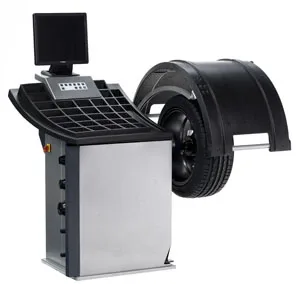
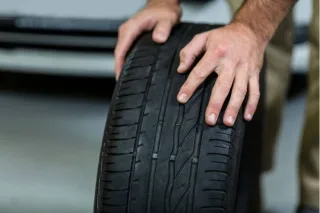
Проверьте шины на повреждения: потёртости, грыжи и прочее. Убедитесь, что давление соответствует рекомендациям производителя — и не забудьте про запаску. На самих дисках не должно быть трещин и сколов.
Балансировка одного колеса обойдётся примерно в 15 грн., плюс 3–10 грн. за каждый грузик.
6. Отрегулируйте развал-схождение
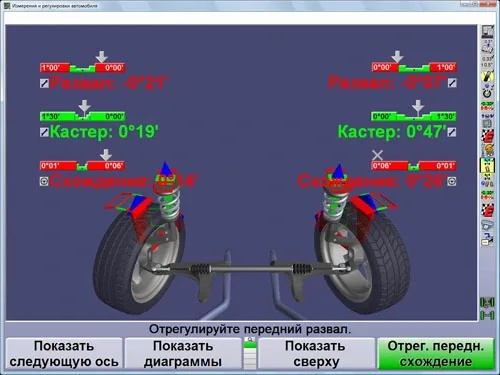
Правильные углы установки колёс, как и балансировка, напрямую влияют на управляемость.
Такая регулировка будет стоить около 200 грн.
7. Проверьте, что лежит в машине
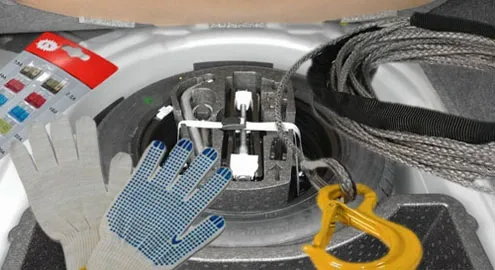
Полезные вещи для авто мы уже перечисляли в статье «20 мелочей, которые могут пригодиться в дороге». К этому списку стоит добавить запчасти, которые чаще всего выходят из строя именно в вашей модели — например, ремень ГРМ или комплект свечей — и хотя бы литр моторного масла.
Напомним, что по правилам дорожного движения водитель легкового авто обязан иметь при себе:
- Водительское удостоверение (дающее право управлять транспортом соответствующей категории). Талон предупреждений уже не нужен.
- Технический паспорт на автомобиль.
- Доверенность, если владельца нет рядом и вашей фамилии нет в техпаспорте.
- Полис ОСГПО.
- Талон техосмотра (на момент написания статьи его ещё не отменили).
- Медицинская аптечка, соответствующая ДСТУ 3961-2000.
- Знак аварийной остановки.
- Огнетушитель.
К выбору аптечки стоит подойти серьёзно. Подробно об этом мы писали в материале «Как пользоваться автомобильной аптечкой». Готовясь к поездке, дополните стандартный набор лекарствами, которые могут понадобиться лично вам. Если едете с детьми — возьмите средства от укачивания, а также антигистаминные и жаропонижающие препараты.
Помимо питьевой воды, стоит взять в дорогу продукты, которые не портятся: шоколад, печенье, сухофрукты или орехи.
Технической подготовкой авто лучше заняться за одну-две недели до выезда. Так у вас будет время вовремя заметить и исправить возможные недочёты.
Комментарий специалиста
Лаборатория технических экспертиз «Автологистика»
Эксперты «Автологистики» советуют перед дальней дорогой обязательно провести комплексную диагностику автомобиля и оценить его безопасность.
Такая диагностика включает визуальный осмотр и проверку на специальном оборудовании. Владелец может сам осмотреть машину: проверить уровни жидкостей (масло, охлаждающая и тормозная жидкости, омыватель, гидроусилитель руля), состояние приводных ремней, работу всех ламп — фар, задних фонарей, поворотников, а также состояние стёкол, ремней безопасности и глубину протектора шин.
Не забывайте про полную аптечку, исправный огнетушитель, знак аварийной остановки и запасные лампочки с предохранителями. А вот следующие проверки лучше доверить специализированной станции:
- Тормозную систему — усилие и частоту срабатывания. Самостоятельно, просто разгоняясь и тормозя, вы не увидите реального состояния тормозов.
- Амортизаторы. Особенно хорошо их работа ощущается в поворотах — при неисправных амортизаторах машину будет заносить.
- Угол наклона и регулировку света фар: силу, наклон и преломление. Можно попробовать проверить это самому, например, у стены здания, но её неровности исказят результат. К тому же фары со временем тускнеют, а это сильно влияет на безопасность ночных поездок.
- Если пробег большой (свыше 20 тыс. км), обязательно нужно осмотреть автомобиль снизу — на яме. Так можно обнаружить надрывы тормозного шланга, подтёки, мелкие повреждения (разрывы, неровности), а также проверить целостность сайлентблоков и шин.